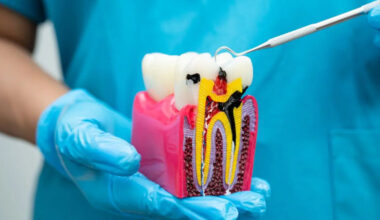
Wisdom teeth often cause problems when they erupt in the late teens or early twenties. These back molars can push against nearby teeth, become stuck under the gums, or lead to pain and swelling. Not everyone in Winnipeg needs them removed, but dentists regularly assess their position and condition to avoid long-term oral issues.
A Winnipeg Dentist carefully examines the mouth using digital imaging to decide whether removal is necessary. After confirming the condition of the teeth, the next steps involve planning and performing the procedure in a safe, efficient manner. Below is a closer look at how dentists approach each part of the process.
Why Dentists Recommend Removal
Wisdom teeth may partially erupt or remain stuck under the gums, which can lead to gum infections or pressure on neighbouring teeth. If a wisdom tooth grows sideways, it may cause decay in the surrounding molars. Removing the tooth helps avoid complications that might affect chewing or oral hygiene. Dentists use specific tools and tests to assess if extraction is the right option.
Patients may also experience swelling, soreness, or tightness in the jaw area. Dentists use these symptoms to guide their recommendations for removal. X-rays help determine root depth, bone density, and tooth position. Not all wisdom teeth need extraction, but careful assessment ensures every decision is based on oral health factors.
Steps Before the Procedure
The first step involves a detailed consultation that includes checking the gums and jaw. Dentists discuss the patient’s dental history and take images to evaluate root formation. Clear communication helps the patient understand how the extraction will be done. The dentist also checks for any signs of infection or inflammation.
Before surgery, the Winnipeg Dentist will explain anesthesia options, including local freezing or mild sedation. Patients are guided on how to prepare, such as fasting before sedation or arranging transport home. A written care plan outlines what to expect after the procedure. All instructions are explained to support a smooth process.
What Happens During the Removal
Dentists begin by applying anesthesia to block pain in the treatment area. A small incision may be made to expose the tooth and bone. If the tooth is stuck, the dentist may cut it into smaller sections for easier removal. This method reduces pressure on the surrounding tissue.
Once the tooth is taken out, the dentist cleans the socket and may use a few dissolvable stitches. Gauze is placed to help control bleeding and support clot formation. Patients remain in the clinic briefly until they feel alert and steady. Recovery instructions are provided before the patient is discharged.
How to Manage Recovery
After the extraction, patients should rest and avoid strenuous movement for a few days. Swelling may occur, but cold compresses help reduce puffiness and ease discomfort. Dentists also advise a soft-food diet that includes the following options:
- Mashed potatoes
- Yogurt
- Soup
- Applesauce
- Scrambled eggs
Why Going to the Right Dental Clinic in Winnipeg Matters
Your choice of clinic can directly affect your experience before, during, and after wisdom tooth removal. A dental practice that focuses on surgical care, uses advanced tools, and provides clear patient instructions is better prepared to manage each stage of the procedure smoothly and efficiently.
A Winnipeg Dentist follows detailed steps to remove wisdom teeth safely and professionally. They guide patients clearly, reduce unnecessary steps, and prioritize comfort and clarity from start to finish. Patients receive full guidance to manage healing and maintain oral health. Timely removal may reduce discomfort and support a healthy bite alignment.