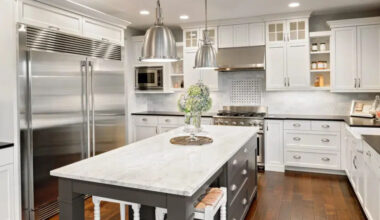
A chandelier screams luxury, and it makes a space elegant and classy the moment someone looks up. It draws attention and sets the tone for the room below. So, it is important to get the choice right. Nevertheless, the right choice can create a fine balance instead of visual noise. Scale light output and placement should all work together.
Now that said, many buyers feel uncertain at the start of this process. In this context, guidance helps find the right choice and avoid costly mistakes. References like the chandelier sizing and placement guide by Visual Comfort help clarify proportions and expectations. With the right resources at disposal, and a good plan, it is not hard to get the best results. This post will act as a guide to help select the right chandelier for your space.
Check the Room Proportion and Scale
The size is a major factor when selecting a chandelier. A fixture that feels too large can overwhelm the space. On the other hand, one that feels too small may disappear above the room. As such, it is vital to pay attention to the height, width, and visual weight.
Never miss taking the ceiling height into account as well. For lower ceilings, a simple and medium-sized chandelier would work. For a taller ceiling, you may go for a big option. At least, the scale should feel natural when viewed from every angle.
Ceiling Height Considerations
Ceiling height is the factor that determines how low a chandelier should hang. Make sure the whole ceiling area is clear for free movement. Dining areas allow lower placement, and this creates an intimate setting. Meanwhile, entryways require more vertical space. Basically, height affects how the fixture feels within the room.
Incorrect placement can make the whole space look odd. Too low creates tension and claustrophobia, while too high creates no impact. It is vital to measure carefully to ensure visual comfort.
Room Width and Fixture Diameter
Room width is the factor that decides the chandelier’s diameter. Wider rooms support broader fixtures, and narrow spaces need restraint. The proportion must not be taken lightly since it keeps the chandelier connected to the room below.
Measuring the room before shopping is the right way to avoid these mistakes. Otherwise, you might get the wrong size and will have to go through the hassle of returning it. With the right dimensions in hand, you can entirely avoid all these issues.
Style Harmony With Interior Design
Chandeliers must work well with the room’s style. For traditional spaces, classic forms are the best choice. Meanwhile, modern rooms favor clean lines, and transitional designs bring the best of both worlds.
Finish and material must also be considered. Metal, glass, and fabric are all well-sought-after choices. Altogether, the fixture should feel connected to furniture and decor.
Material Quality and Craftsmanship
Like any other product, the material quality will affect a chandelier’s longevity and appearance. Solid construction will help it stand the test of time, while quality finishes resist wear and discoloration.
Meanwhile, poor materials age in an instant. There is also the risk of loose and noisy joints cause frustration. So, it is better to make the right investment in quality to ensure safety and reduce early replacement.
Placement Rules That Shape Impact
Placement of the chandelier is another element that brings out its real beauty. For instance, center alignment ensures a sense of order, while off-center placement disrupts it. Simply put, position shapes perception.
Guidance, such as the chandelier sizing and placement guide by Visual Comfort, helps refine these decisions. These references clarify spacing and height rules. Clear rules define the process and eliminate the need for guesswork.
Dining Table Alignment
Dining chandeliers are supposed to align with the table’s center. This creates a sort of symmetry and calms beholders. If there is any misalignment, it will distract the eye and bother people present in the room.
Entryway and Staircase Placement
When it comes to entryways, it’s important to pay extra attention. For someone entering your home for the first time, first impressions matter. Chandeliers in this space should grab the attention of the guests. If it is the staircases, the fixture requires vertical alignment for flow. The right placement is essential for the ease of movement and overall safety.
A chandelier is one of the best decorative items you can get to make your space classy. The right choice will do its job finely as intended without drawing too much attention. All the relevant factors regarding the chandelier should feel natural within the space. Well-thought-out decisions are not negotiable, as if anything goes wrong, it will affect the whole space. When everything aligns, the chandelier will feel like it was always there.