Key Takeaways
- Alternative materials such as silicone, wood, and ceramic cater to both style and practicality, appealing to those who want something different without sacrificing comfort or resilience.
- Lab-grown diamonds and colored gemstones are ethical and visually distinctive choices, offering couples a way to stand out while doing good at the same time.
- Non-traditional symbols, including tattoos and necklaces, offer personalized paths to commitment, creating opportunities for creativity and deep symbolic resonance.
As couples today seek to celebrate their love in new and meaningful ways, the traditional gold or diamond wedding band is no longer the only option. Today’s engaged partners are increasingly gravitating toward unique and personalized wedding symbols that better reflect their values, lifestyle, and personal tastes. Rather than settling for standardized options, many are embracing rings that tell their own story or signify shared passions, mutual adventures, and even their commitment to causes beyond their own relationship. Alternative materials and creative designs now provide more ways than ever to express not just commitment, but also individuality, beliefs, and priorities—often blending tradition with unparalleled creativity. For those open to contemporary expressions of love and meaning, a curved moissanite wedding band offers an elegant and distinctive choice that stands apart from conventional rings, symbolizing a relationship that’s anything but ordinary.
Modern wedding bands prioritize personalization, practicality, and sustainability, catering to the diverse needs of engaged couples. Options now include durable rings for active lifestyles, vibrant colored gemstones, and even creative alternatives, such as ring tattoos. This evolution encourages inclusivity and deeper symbolism, allowing couples to reflect their unique stories through custom features such as engravings and unconventional designs. Ultimately, this shift enables couples to select rings that resonate meaningfully with their individual preferences and the narrative of their relationship.
Embracing Alternative Materials
Until recently, few people considered options for wedding bands beyond precious metals, such as gold, platinum, and silver. But today, modern couples are increasingly exploring distinctive materials that blend form, function, and social consciousness. These alternative rings can be more affordable, environmentally friendly, and suited to an active lifestyle, making them desirable for a wide range of couples with different needs and philosophies. In particular, the rise of new manufacturing techniques and a focus on sustainability has opened the doors to rings that would have been unthinkable just a generation ago—rings that are meaningful not just in symbolism, but also in what they say about a couple’s priorities and the future they’re building together.
- Silicone Bands:Originally popular among athletes and those working in hands-on professions, silicone rings offer unmatched flexibility, comfort, and safety. Known for being hypoallergenic and durable enough to withstand the toughest environments, brands like QALO have solidified their popularity among individuals seeking a ring that moves with them through everyday life. They’re particularly favored by medical professionals, mechanics, and anyone concerned about safety and practicality on the job.
- Wooden Rings:Wooden bands evoke natural beauty and individuality, offering endless variety in grain, color, and design, with types of wood such as walnut, koa, or maple lending their distinct characteristics to each ring. These bands are often handcrafted, ensuring that no two rings are exactly alike—a reflection of each love story’s uniqueness. Eco-conscious couples appreciate that wood can be sustainably sourced, and some choose rings made from reclaimed or heritage materials, imbuing their jewelry with rich backstories of renewal and transformation.
- Ceramic Rings:Lightweight yet remarkably durable, ceramic rings offer a sleek, modern aesthetic and contemporary appeal. Highly resistant to scratches and available in a wide array of colors and finishes, ceramic rings appeal to couples who want to strike a balance between style and practicality. Unlike many metals, ceramics tend to retain their appearance for years, making them a smart long-term investment and a bold fashion statement rolled into one.
Lab-Grown Diamonds and Colored Gemstones
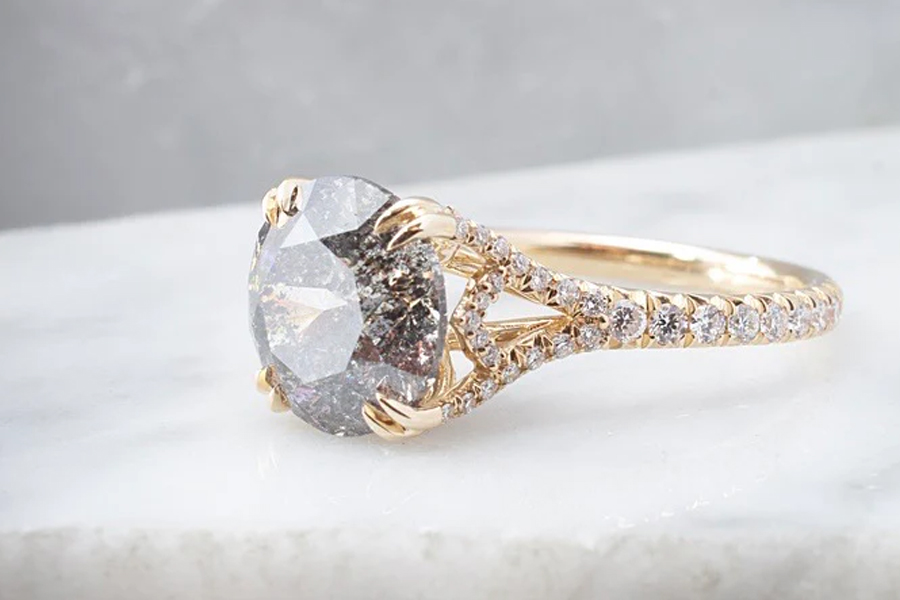
Awareness of environmental and ethical concerns around traditional gemstone mining has led to a surge of interest in lab-grown diamonds and colored gemstones. Lab-created gems are virtually indistinguishable from those mined from the earth, but they come with significantly less environmental impact and no association with exploitative labor practices. These stones enable couples to make a powerful statement through their purchase, reflecting their shared values and a desire to begin married life on a positive, conscientious note. Alongside lab-grown diamonds, a colorful spectrum of gemstones allows customization and meaning in ways that single-color traditions sometimes can’t match.
- Lab-Grown Diamonds:Manufactured in highly controlled laboratory environments, these diamonds exhibit the same optical brilliance, durability, and structure as natural mined stones. Companies like Brilliant Earth have emerged as leaders in this field, providing consumers with transparency, peace of mind, and beautiful options for ethical fine jewelry. Lab-grown options are often more affordable than their mined equivalents, allowing couples to choose larger or higher-quality stones that might otherwise be out of reach.
- Colored Gemstones:Sapphires, emeralds, rubies, and unconventional stones such as morganite and aquamarine are making their mark as modern wedding band centerpieces. Colored stones open doors for customization that recalls personal preferences, meaningful symbolism, or even family heritage—such as selecting a birthstone or using a favorite hue. This vibrant option adds a creative, truly personal touch to any piece and can make a wedding band just as expressive as a work of art. With environmental and social considerations increasingly weighing on purchasing decisions, these stones offer a path to beauty with a conscience, shaping the look and meaning of modern weddings.
Non-Traditional Designs and Symbols
For some couples, a traditional wedding band may not feel like the right fit—either due to lifestyle, cultural values, or individual preferences. Fortunately, there are now many inspiring alternatives that allow couples to express their commitment while thinking outside the box. From creative tattoos to innovative jewelry items, these substitutes can carry as much—or even more—meaning as a conventional ring ever could.
- Wedding Ring Tattoos:Permanent and highly customizable, inked bands can be as understated or as elaborate as a couple desires. Some choose simple lines, while others opt for initials, special symbols, meaningful dates, or even miniature portraits. Tattoos appeal to people wanting a symbol that goes deeper than jewelry—something truly inseparable from themselves and their life’s journey.
- Necklaces and Bracelets:Not everyone can wear rings due to work requirements or personal preferences, so other jewelry—such as personalized pendants, lockets, or bracelets—can serve as powerful alternatives. Engraved messages or symbols can be discreetly worn close to the heart or wrist, allowing commitment to be displayed and cherished in a new way. This flexibility is particularly helpful for those with hands-on professions or who seek diversity in how they celebrate their union.
Customization and Personalization
Modern wedding bands are as unique as the love stories they represent. Couples may work closely with jewelers to design rings from scratch, select special engravings, incorporate alternative stones, or even blend multiple materials for a truly bespoke result. Customization allows for meaningful details, such as secret inscriptions, significant dates, or hidden design motifs on the inner rim of the ring. These details transform a simple token into a one-of-a-kind keepsake that reflects both the partnership and personality, often turning the design process into a memorable experience that couples fondly recall throughout their married life.
Considering Lifestyle and Practicality
One of the most important questions couples should ask is how a wedding ring will fit into daily life. For those in physically demanding or hands-on professions, durability, comfort, and safety are essential considerations that often point toward modern, flexible rings. Others may place more value on symbolic meaning, artistry, or the visual statement their ring makes. Personal priorities—ranging from allergen concerns to a love of vibrant color—play a crucial role, and the evolving market now provides more freedom than ever to choose based on lifestyle, preferences, and long-term comfort. Ultimately, the best ring is the one that suits both wearers and stands the test of time.
Conclusion
The world of wedding rings has evolved to follow the richness and complexity of modern relationships. With innovative materials, ethically sourced stones, and wholly original design alternatives, couples today have the opportunity to select symbols that resonate on every meaningful level. By reflecting on lifestyle needs, personal values, and shared dreams, couples can choose the perfect ring—or imaginative non-ring alternative—to serve as a lasting testament to their unique love story and enduring commitment.