Key Takeaways:
- Addiction recovery programs offer structured support to individuals seeking to overcome substance use disorders.
- Incorporating evidence-based practices enhances the effectiveness of these programs.
- Community involvement and innovative approaches can significantly aid the recovery process.
Introduction
Addiction recovery programs serve as a lifeline for millions struggling to break free from substance use disorders. By offering a combination of medical support, therapeutic guidance, and community resources, these programs provide individuals with the structured support necessary to foster lasting recovery. Whether near home or in a specialized setting such as a rehab in Egg Harbor City, NJ, individuals benefit from a personalized journey designed to rebuild not only their health but also their hope for the future.
The importance of holistic healing cannot be overstated. Recovery programs do more than treat symptoms they help individuals reclaim their mental health, physical well-being, and social lives. These efforts address the root causes of addiction while empowering clients to envision and pursue a fulfilling lifestyle beyond substance use.
Through this comprehensive support, recovery programs help to repair relationships, restore confidence, and reignite a sense of purpose. It is through evidence-based methods and the embracing of new, innovative strategies that these programs are most successful.
Furthermore, integrating community involvement with modern advancements ensures that every individual receives care tailored to their unique needs. This commitment to adaptability and continued improvement distinguishes today’s most effective recovery models.
To better understand the layers of support offered by professional rehabilitation, it can be helpful to explore guidance from leading organizations, such as the Substance Abuse and Mental Health Services Administration (SAMHSA), which provides valuable information on available treatment options and best practices.
Evidence-Based Practices in Recovery Programs
Reliable treatment outcomes stem from the use of evidence-based practices within recovery settings. According to the National Institute on Drug Abuse (NIDA), successful addiction recovery programs often include behavioral therapies such as cognitive-behavioral therapy (CBT), which helps clients recognize and respond to harmful thought patterns, as well as medication-assisted treatment (MAT) for those facing opioid or alcohol dependency. These methods are consistently proven to lower relapse rates and promote sustained wellness.
Behavioral Interventions
CBT and other therapeutic modalities encourage self-reflection and practical coping skills to manage addiction-related triggers. Group and individual counseling sessions allow participants to process their experiences and develop strategies for lifelong recovery.
Medical and Pharmacological Support
MAT works to stabilize those in early recovery by addressing the physical dependence on substances. Under medical supervision, individuals have access to medications that minimize withdrawal symptoms and cravings, increasing their chances of sustained sobriety. The integration of these approaches, behavioral and medical, creates a more balanced and comprehensive recovery plan.
Community Involvement in Recovery
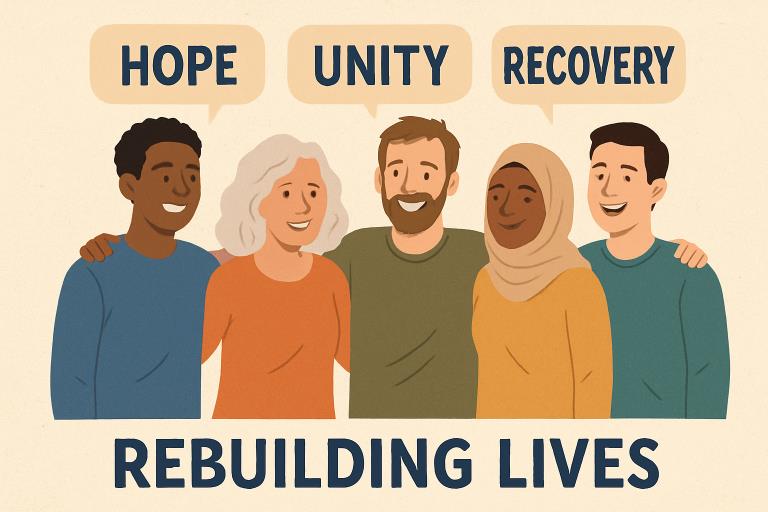
The role of community is foundational in many successful recovery journeys. Social connection, accountability, and shared purpose all help motivate lasting change. Programs such as Healing through the Savior: The Addiction Recovery Program leverage the power of spiritual unity and peer support, creating a sense of belonging that combats isolation, a common trigger for relapse.
Another shining example is the Stable Recovery program in Kentucky, which provides men in recovery with employment opportunities and ongoing communal support. This demonstrates how reintegration into society and purposeful activity can reinforce self-worth and facilitate long-term growth.
Innovative Approaches to Addiction Recovery
The addiction recovery field has evolved to embrace emerging technologies and data-driven strategies. The HEAL Data Platform, for instance, acts as a central hub for researchers, clinicians, and policymakers, fostering collaboration in the development of new interventions and prevention techniques. By compiling valuable insights from ongoing studies, the platform accelerates the adoption of best practices nationwide.
Technology also meets daily recovery needs through mobile applications like “Addict Free.” These digital tools offer continuous relapse intervention, tailored reminders, and immediate access to support networks. This accessibility is invaluable for individuals who need timely encouragement or resources outside of traditional program settings. Mobile innovations further underscore the adaptive nature of today’s recovery landscape.
For a deeper dive into how modern data and research are shifting the landscape of addiction treatment nationwide, the Centers for Disease Control and Prevention (CDC) offers authoritative information and trends.
Challenges and Solutions in Recovery Programs
Despite many advances, addiction recovery programs still face significant hurdles. Chief among these is the high rate of relapse; research shows that over 60% of people recovering from a substance use disorder experience relapse within the first year. Addressing this, many programs are implementing continuous relapse monitoring, integrating mental health services, and prioritizing personalized care plans to keep individuals engaged and accountable.
Comprehensive and Integrated Care
Successful programs recognize that every journey is unique. Incorporating dual diagnosis treatment for co-occurring mental health challenges and providing access to ongoing peer support are now hallmarks of effective solutions. These integrated approaches bridge gaps in care, ensuring participants receive multifaceted support throughout all stages of recovery.
Building Resilience and Long-Term Recovery
Peer-led networks and community-based initiatives remain crucial as clients transition from intensive treatment to independent living. This extended support system helps individuals nurture resilience and adapt to life’s challenges, fostering sustainable recovery well beyond initial rehabilitation.
Conclusion
Addiction recovery programs have transformed the outlook for people affected by substance use disorders, offering hope and a roadmap to a healthier, more engaged life. Their strength lies in adaptability, the integration of proven and innovative methods, and a deep commitment to each individual’s well-being. By leveraging evidence-based practices, engaging entire communities, and staying abreast of new developments, these programs provide a vital service and a fresh start for countless individuals and families.