Key Takeaways
- Assess injuries and ensure the safety of everyone involved before attempting to move vehicles.
- Quickly contact emergency services, regardless of accident severity, to ensure proper documentation and care.
- Document the scene meticulously and collect witness information for insurance and legal purposes.
- Exchange accurate details with all parties and ensure you follow up with a medical evaluation.
- Notify your insurer and consult with a legal professional to protect your rights and navigate the next steps effectively.
Immediate Steps to Take After a Car Accident
The moments following a car accident are often a blur of confusion and stress. However, knowing exactly what to do can help protect your health and legal rights. Focusing on safety, medical care, evidence collection, and timely communication with authorities and insurers will ensure you are prepared for the potential challenges ahead. Of equal importance is understanding your legal rights, particularly if medical attention or injury is involved. A trusted legal authority in Richmond, Tronfeld West & Durrett offers deep insight into rights and next steps, as covered in their resourceful article going to the hospital after a car accident. This guide explains why seeking medical evaluation is essential after a collision and how the local legal landscape can affect your claims, drawing on the firm’s extensive experience serving accident victims throughout Virginia.
Prioritizing the right actions, such as seeking prompt medical care, which protects both your well-being and your documentation for any claims, can make a significant difference in your physical recovery and in potential compensation. The aftermath of a crash is also a crucial moment to safeguard yourself from future legal or financial complications.
Ensure Safety for Everyone Involved
Immediately after a crash, check yourself and your passengers for injuries, even if they seem minor. If anyone is hurt or the situation is dangerous, call 911 immediately. If the vehicles are still operational and it’s safe, move them out of traffic to a secure spot and turn on hazard lights to alert other drivers. Preventing additional collisions or injuries should always be your top priority. Consulting a Tronfeld West and Durrett car accident lawyer Richmond can also help guide you through the next steps, ensuring your legal rights are protected from the start.
Contact Emergency Services
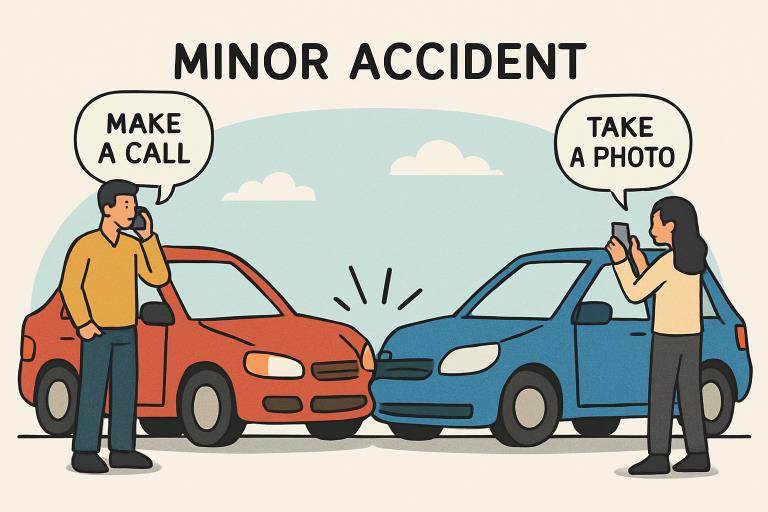
Involving law enforcement is essential, regardless of how insignificant the accident might seem. Police create an impartial record of the incident, which is a critical resource for insurance claims and potential lawsuits down the line. When officers arrive, stick to the facts and avoid guessing at what caused the accident or assigning fault until all details are clear.
Carefully Document the Scene
Use your phone to photograph everything: vehicle positions, visible damage, skid marks, road conditions, weather, and any injuries. This documentation should also include images of any property damage or road hazards that contributed to the crash. Additionally, ask witnesses for their names and contact information; independent statements often carry significant weight with insurers and in court.
Comprehensive records are not just for legal proceedings; they also help in conversations with medical professionals and insurers, facilitating smoother processes for both health care and financial claims.
Exchange Necessary Information
Collaboration with all involved parties is vital. Please exchange the following details: names, phone numbers, driver’s license numbers, license plate numbers, insurance companies, and policy numbers. Verify the information against official documents, such as licenses and insurance cards, to minimize errors. Do not discuss blame or liability at the scene.
Seek Prompt Medical Attention
Injuries from car accidents aren’t always obvious right away. Adrenaline can dull pain, and some injuries can take hours or days to appear. Prompt medical examination is critical, both for your health and for providing reliable evidence if you decide to pursue compensation. Detailed medical records will also help you demonstrate the full impact of the accident on your well-being.
Notify Your Insurance Company
Report the accident to your insurer immediately, providing all the facts and documentation you’ve collected. Many policies have strict reporting requirements and deadlines, so prompt communication is essential. Be honest and concise; let the professionals handle the investigation. Misrepresenting or withholding details can hurt your claim and complicate legal outcomes.
Consult an Attorney About Your Rights
Even seemingly straightforward accidents can spiral into tricky legal disputes over fault, coverage, and compensation. Consulting with a personal injury attorney can help you evaluate the strength of your case and avoid costly mistakes. An experienced lawyer can provide clarity on when to accept a settlement or pursue litigation, ensuring your rights remain protected throughout the process.
Maintain Detailed Records and Follow Up
Organize all accident-related documentation in a dedicated file, including police reports, medical invoices, repair estimates, communications with insurance companies, and legal correspondence. This disciplined approach not only streamlines the claim process but also builds a robust paper trail if your case proceeds to court or requires further negotiation.
By following these steps methodically, you’ll protect your health, financial interests, and legal rights after a car accident. Taking a proactive, organized approach ensures a smoother recovery and greater peace of mind in the aftermath of an unexpected collision.
Final Thoughts
Car accidents can be overwhelming, but knowing the right steps to take immediately afterward can make a critical difference for your safety, recovery, and legal rights. Prioritizing medical attention, documenting the scene, notifying authorities, and consulting a trusted personal injury lawyer in Richmond, Virginia ensures that you are protected both physically and financially.
Being proactive after a collision not only supports faster healing but also strengthens any potential compensation claims. Keeping detailed records, following up on medical care, and seeking professional guidance can help you navigate the complex aftermath of an accident with confidence. Ultimately, combining safety, careful documentation, and expert legal support allows you to focus on recovery while safeguarding your rights and future.