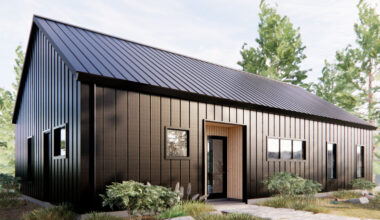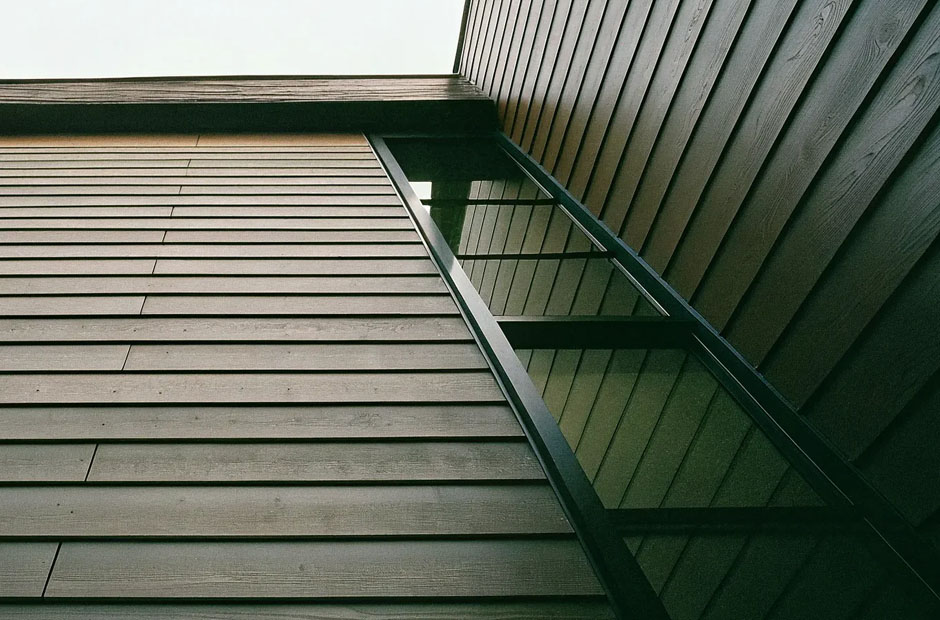
Exterior walls face constant exposure to wind, rain, and temperature shifts. A durable cladding system acts as a protective barrier that supports both performance and appearance. Modern materials offer options that balance strength with visual appeal. When properly selected and installed, cladding helps create a reliable exterior envelope.
1. Strong Defense Against Weather Damage
Harsh weather can wear down exterior surfaces over time. Experienced cladding contractors assess wall conditions before installation to ensure proper attachment and drainage. A durable system helps with moisture control by directing water away from structural components. This added layer reduces the risk of rot, corrosion, and interior leaks.
Wind resistance is another major advantage of quality cladding. Panels and fastening systems are designed to remain secure during heavy storms. This stability aids in protecting insulation and framing behind the surface. As a result, buildings maintain structural integrity during seasonal changes.
2. Improved Energy Efficiency
Thermal performance improves when cladding works alongside insulation layers. Exterior panels create an additional buffer between indoor spaces and outdoor air. This setup helps regulate interior temperatures and reduce heat transfer. Lower strain on heating and cooling systems may help improve energy use.
How Exterior Panels Support Insulation
Several features contribute to energy efficiency:
- Continuous insulation behind panels
- Air and moisture barriers that limit drafts
- Reflective surfaces that reduce heat absorption
- Secure joints that prevent air leakage
These elements combine to support consistent indoor comfort. Energy performance depends on correct installation and material choice.
3. Enhanced Building Appearance
A well-chosen cladding system influences how a building is perceived. Materials such as metal panels, composite boards, and architectural systems offer diverse textures and finishes. Clean lines and uniform surfaces create a polished look. This aesthetic appeal supports property value and tenant satisfaction.
Color selection also plays an important role. Modern coatings resist fading and maintain visual clarity over time. Exterior upgrades can refresh older structures without extensive structural changes. A thoughtful design approach helps align the building exterior with its intended function.
4. Reduced Maintenance Requirements
Durable cladding systems are built for long-term performance. Many materials resist pests, moisture, and UV exposure. This resilience reduces the need for frequent repairs or repainting. Maintenance schedules become more predictable and manageable.
Surface treatments also simplify cleaning tasks. Dirt and debris are less likely to adhere to smooth finishes. Routine inspections remain important to confirm joint integrity and panel stability. A consistent care plan helps extend the service life of exterior walls.
5. Long-Term Cost Value
Initial installation costs may seem significant at first review. However, long-term value often offsets upfront expense through durability and steady performance. Extended lifespan and lower repair frequency contribute to measurable savings across the life of the building. Fewer unexpected repairs allow for clearer budget planning and reduced financial strain.
Buildings that demonstrate strong exterior protection appeal to buyers and tenants who value reduced maintenance concerns. Reliable systems reflect thoughtful construction choices and attention to structural care. Over time, these qualities may help improve asset stability, market perception, and overall return on investment.
Collaboration with qualified cladding contractors ensures proper design and attachment methods. Strong weather defense, improved energy performance, and consistent appearance all contribute to a balanced building strategy. When these benefits align, a well-installed cladding system supports long-term durability and dependable exterior performance.