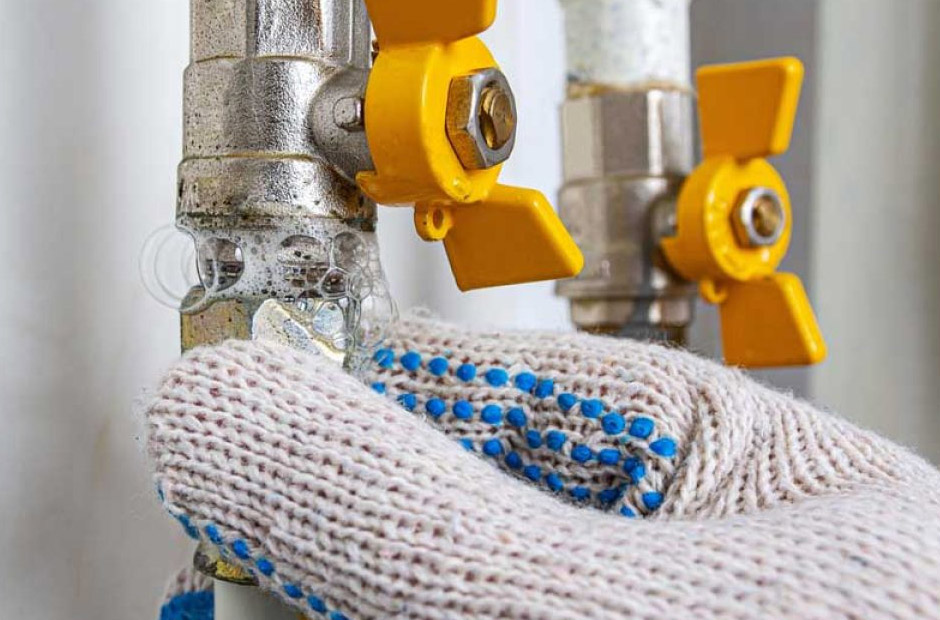
Gas lines support essential systems inside many residential and commercial properties. They deliver fuel to appliances that rely on steady pressure and controlled flow. Because gas lines remain hidden, faults may develop without visible warning. Awareness of early signs allows timely assessment before system strain increases.
Plumbing and gas services provide the safest way to address early gas line concerns. Licensed professionals evaluate pressure, joints, and connections using approved methods. Their role focuses on system stability and controlled operation. The sections below outline specific warning signs that require expert attention and explain what they might indicate.
Noticeable Gas Smell Near Appliances
Gas has a strong scent added to help alert occupants to leaks. A smell near cooktops, heaters, or outdoor units may indicate gas escaping from fittings. Even brief exposure suggests compromised sealing within the line. Odours should always prompt immediate attention.
Areas with poor airflow may trap gas longer than expected. Smell intensity does not reflect leak size or system impact. Licensed technicians locate the source using tested equipment. Prompt inspection helps maintain controlled gas delivery across the property.
Unusual Sounds Around Pipes or Valves
Gas escaping through small gaps may create soft hissing sounds. These sounds usually come from joints, valves, or pipe connections. Quiet conditions make them easier to detect near walls or meters. Sound presence suggests pressure imbalance within the line.
Audible leaks may exist without noticeable smell. Pressure loss affects appliance function and system reliability. Professional checks confirm seal integrity and material condition. Early correction supports consistent performance throughout the gas network.
Visible Pipe Wear or Surface Changes
Gas pipes exposed to air or moisture may show surface deterioration. Rust, discoloration, or flaky areas indicate material stress. Older installations show wear sooner, especially at joints and bends. Visual changes sometimes reflect reduced pipe strength.
Structural condition affects how pipes manage internal pressure. Weak areas may react poorly to daily use cycles. Plumbing and gas services include visual assessments and material checks. Addressing wear helps maintain dependable gas flow.
Changes in Appliance Operation
Gas appliances rely on a steady supply to function correctly. Flame colour shifts or uneven heat output suggest pressure variation. Delayed ignition or reduced output also signals supply disruption. Appliance behaviour sometimes reflects upstream gas line conditions.
Multiple appliances showing similar changes point to supply concerns. System testing identifies pressure consistency across the line. Professional assessment confirms whether repairs are needed. Consistent operation depends on stable gas delivery.
Common Warning Signs to Report Immediately
Some signs may appear mild but still need prompt attention. Any change in gas odour, flame quality, or appliance ignition should be reported. Waiting for more symptoms may lead to wider disruption or greater strain on the line. Timely checks limit wear and improve safety.
Here are key indicators that require immediate action:
- Smell of gas indoors or near fittings
- Hissing or whistling near gas lines
- Rust, cracks, or wear on exposed pipes
- Changes in flame strength or colour
- Appliances failing to start or heat properly
Gas Line Support That Protects Daily Use
Plumbing and gas services focus on system checks, pressure testing, and controlled repairs. Their work addresses faults at the source rather than surface symptoms. Structured inspection ensures gas lines meet functional requirements.
Gas line warning signs rarely resolve without professional action. Early indicators allow safe correction before disruption increases. Trained specialists restore system reliability through measured solutions. Ongoing safety depends on informed response and proper care.