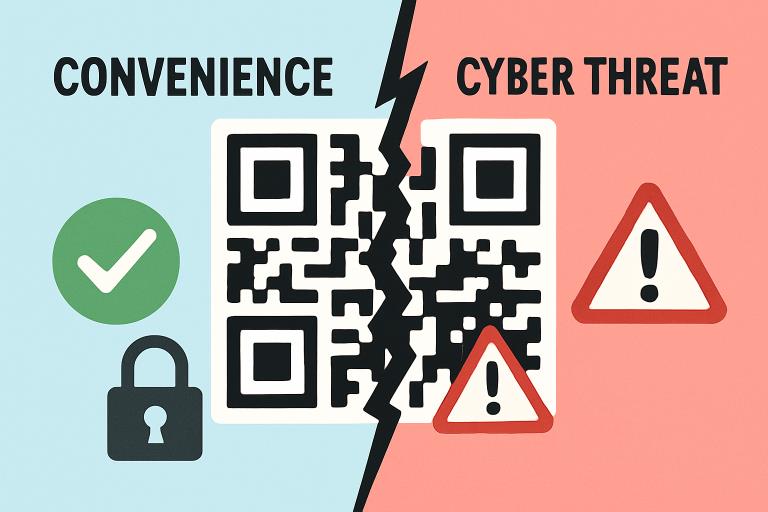
Quick Response (QR) codes have swiftly evolved from simple conveniences into powerful tools, bridging the physical and digital worlds in ways that few technologies have managed. As their use expands across industries from payments to event ticketing, their potential also attracts cybercriminals who constantly adapt to technology. With attacks like QR code phishing on the rise, protecting data and maintaining secure access points is more essential than ever. For every convenience QR codes offer, new cybersecurity risks emerge, making it crucial to equip individuals and businesses with the knowledge and tools to defend themselves. Adopting solutions offered by a trusted phishing protection service is increasingly vital for navigating today’s digital landscape with confidence.
The appeal of QR codes stems from their versatility and ease of use, providing modern users with touchless, instant access to information. However, this simplicity can conceal risks, including social engineering and phishing attacks. Cybersecurity experts recognize QR codes as both beneficial for secure processes and potentially dangerous due to their opaque nature. Organizations must validate QR code deployments and educate users to mitigate these risks. As QR codes become integral to tasks such as access control and customer interaction, ensuring their security is vital to prevent significant breaches, necessitating a comprehensive approach within overall cybersecurity strategies.
The Rise of QR Codes
Initially designed in the 1990s to streamline automobile manufacturing in Japan, QR codes quickly surpassed their original purpose. Today, businesses leverage these black-and-white patterns for everything from marketing campaigns to touchless check-ins and digital payments. As of 2024, QR codes have become integral to both public and private sectors, enabling efficient, real-time access to resources and information. Their ability to encode web links, contact details, app downloads, and more, all in a format scannable by any smartphone, has fueled their popularity worldwide.
The pandemic-era rapid acceleration of QR code adoption. Restaurants replaced physical menus with scannable codes, healthcare agencies used them for vaccine registration, and events relied on encoded tickets for seamless entry. The versatility and familiarity of QR codes continue to drive innovation, but their expansion increases the potential for new, technology-specific cyber threats.
QR Codes in Cybersecurity
Beyond consumer convenience, QR codes are increasingly incorporated into security frameworks. Government initiatives, such as the U.S. Cyber Trust Mark, demonstrate their growing role: QR codes affixed to smart devices can direct users to detailed, official information about a product’s cybersecurity protections, helping consumers make informed, safer choices. Corporate environments use QR codes for secure logins, resource access, and document verification, streamlining operations without sacrificing confidentiality.
This fusion of physical and digital authentication means that cybersecurity professionals must treat QR codes as sensitive endpoints. Strong back-end controls, regular security assessments, and trusted delivery methods ensure QR codes are assets, not liabilities, in maintaining an organization’s digital hygiene.
Emerging Threats: ‘Quishing’
QR code phishing, commonly called “quishing,” is one of the fastest-growing scam tactics in the cybercriminal playbook. In a phishing attack, malicious actors distribute QR codes that, when scanned, direct users to fraudulent websites or prompt them to download malware. The critical danger is that users usually cannot verify the destination of a QR code before scanning it, making it a favored delivery method for phishing or credential theft campaigns. According to CNBC, QR code scams are increasingly responsible for a growing share of phishing incidents targeting both organizations and the public.
The subtlety of quishing means anyone, regardless of tech savvy, can be fooled. Remote working and increased use of personal devices have compounded these risks, leaving businesses and individuals exposed to increasingly sophisticated attacks disguised as legitimate offers, surveys, or payment portals.
Real-World Incidents
Cases of malicious QR codes making headlines are becoming more frequent. For example, in Des Moines, Iowa, scammers covered legitimate parking meter codes with fraudulent ones, capturing victims’ payment details through fake lookalike websites. Such incidents underscore a simple but powerful lesson: if a QR code is accessible to the public, it can be tampered with and weaponized. These real-world examples serve as stark reminders for vigilance, especially in physical locations and unsolicited communications.
Other high-profile attacks have targeted business environments, where attackers use QR codes embedded in phishing emails or printed materials to bypass traditional digital security filters. The damage can range from stolen credentials to widespread data breaches, underscoring the urgent need for stronger user education and verification protocols.
Defensive Measures
- Verify Sources:Only scan QR codes from established, trusted sources. Be especially wary of codes received via email, text, or from unverified contacts.
- Inspect Physical Codes:Before scanning, check for obvious signs of tampering, such as stickers or overlays replacing original QR codes, especially in public or shared spaces.
- Use Secure Scanning Tools:Opt for QR code reader apps that can preview the URL and provide risk assessments before proceeding, adding a crucial layer of scrutiny.
- User Awareness:Regular security training and communication about QR-based threats ensure that employees and the public know what to look out for and how to react if something seems suspicious.
While no single method is foolproof, layering these approaches dramatically reduces the risk of falling for phishing and similar scams.
The Future of QR Codes in Cybersecurity
As society becomes increasingly reliant on seamless machine-to-human interactions, QR codes are poised to play an even more influential role, particularly in access management and identity authentication. Efforts are already underway to improve QR code security not just on the consumer-facing layer, but at the protocol and infrastructure levels. Future QR code security solutions may involve blockchain validations, cryptographically signed codes, and smarter apps that can automatically block or flag suspicious activity.
Continued vigilance and innovation are essential to keep pace with evolving threats. While QR codes will always offer greater convenience, only proactive defenses and education can prevent them from becoming a significant vector for cybercrime.
By treating QR code security as an integral part of their digital strategy, businesses and consumers alike can harness the benefits of this technology—without ceding ground to criminals.