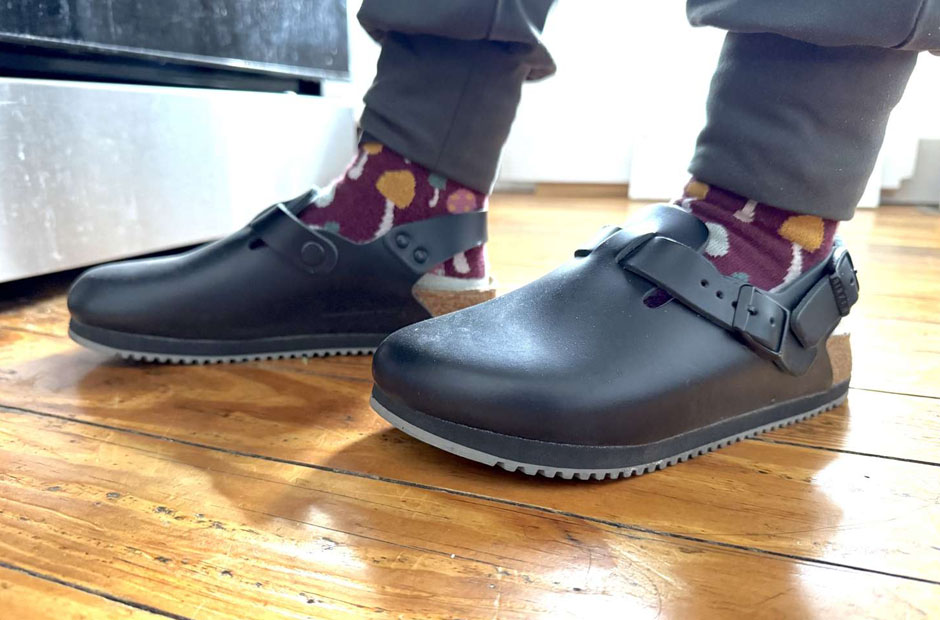
Some shoes feel tied to a certain moment in the day. A pair for running errands. A pair for work. A pair that only comes out when comfort matters more than appearance. Clogs used to fall into that single-purpose category. They worked for quick trips or house chores, then went back on the rack. Over time, people began noticing how steady the shape feels and how surprisingly well it carries weight. With the right adjustments and a bit of attention, classic clogs turn into shoes that handle long days with ease.
The key is understanding how the clog works with the foot instead of against it. A good pair gives support, but only if the fit and the rhythm of walking all work together. People who wear clogs for full days learn to make small changes. This turns the shoe from a convenience to a genuine everyday staple.
Start With a Shape That Matches Your Natural Step
Clogs rely on their frame. They don’t mold to the foot the way sneakers do. Also, they don’t rely on laces for support. The shoe does the holding, which means the shape must feel right from the beginning. People trying to turn clogs into all-day wear start by checking the profile. The heel should sit deep enough for stability. The front should allow the toes to spread slightly. The sides need enough firmness to keep the foot centered without squeezing it.
When the shape lines up with natural movement, the clog stops feeling like a block of material and starts feeling like a steady platform that follows the wearer through long hours.
Choose Materials That Soften Gradually
Many clogs look polished on the shelf, but the real test comes after a few weeks. Materials that soften too fast lose their structure. Meanwhile, those that refuse to soften stay stiff all day. The sweet spot sits between these extremes. High-quality leather, especially in well-made womens leather clogs, breaks in slowly. Each day shapes the interior a little more, leaving the outside looking clean while the inside adapts to the foot.
This slow, natural softening adds comfort without letting the shoe collapse. It also gives clogs the ability to move between casual outfits and neater work settings because the leather never looks sloppy.
Add Cushion in the Right Places, Not Everywhere
Comfort inside clogs comes from knowing where pressure builds. Some people feel it under the ball of the foot. Others feel it in the heel. Rather than piling on thick insoles that change the entire fit, experienced wearers add thin, targeted pads. A small cushion under a single zone often does more than a large insert that lifts the foot too high.
This quiet customization turns a rigid design into something that feels almost tailored. It also keeps the clog from losing balance, which sometimes happens when the inserts lift the foot unevenly.
Let the Sole Work With Your Walking Style
Clogs don’t roll the way flexible shoes do. They lift and land with a more defined step. People who wear them all day learn to adjust their pace. Shorter steps. Softer landings. A rhythm that lets the sole meet the ground smoothly rather than with a heavy smack.
That slight change in stride protects both the shoe and the body. The clog stays in better shape, and the foot avoids the fatigue that comes from forcing a stiff sole into a running stride.
Here are simple adjustments many all-day clog wearers make:
- Take shorter steps during long walks
- Keep the heel strike light instead of forceful
- Let the shoe settle fully before the next step
- Avoid fast pivots that twist the sole
These shifts feel small but create a noticeable difference after several hours.
Keep the Leather Conditioned So It Works With You
Leather dries out when ignored. Dry leather stiffens and loses its ability to shape itself around the foot. People who treat clogs as all-day shoes take a moment every few weeks to condition the material. It restores softness and prevents the upper from feeling tight after long stretches.
This care also helps the clog age attractively. Instead of looking worn, the leather develops a richer tone and small creases that signal quality rather than neglect.
Match the Clog to Outfits That Support Comfort
Clogs work best when paired with clothing that moves easily. Soft denim and relaxed knits are a few of those that help the shoe feel natural. Outfits that require stiff posture or tight steps fight against the clog’s comfort. When clothing and footwear support each other, the whole day becomes smoother.
This pairing also helps clogs fit into different environments. Clean, simple styling keeps them appropriate for low-key office days, while relaxed clothing brings out their casual charm.
A Shoe That Grows Better With Time
Classic clogs seem basic at first glance, but once someone understands the shape and feel, they become reliable companions. Small choices decide whether they stay comfortable from early morning to late evening.
What starts as a simple shoe turns into something steady enough for daily life. People who learn how to shape their clogs this way stop thinking of them as a convenience. They become the pair that sits by the door, ready for whatever the day brings.