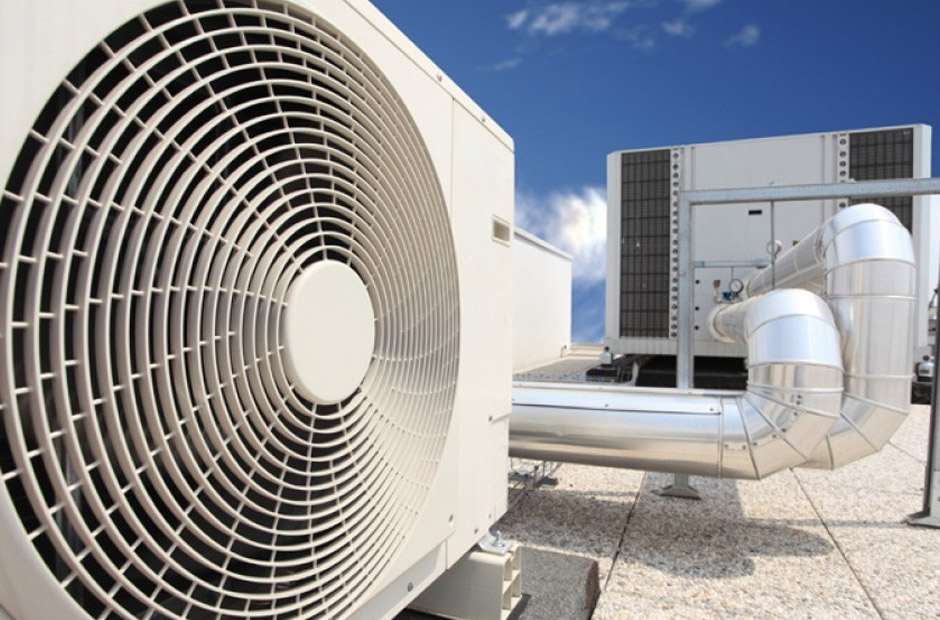
The efficiency of a heating, ventilation, and air conditioning system is impacted by variable-speed compressors, proper sizing, and insulation. Improving efficiency helps reduce energy consumption and extends your unit’s lifespan. Here are a few energy efficiency tips for your HVAC system:
Regular Maintenance
HVAC maintenance improves energy efficiency by reducing the strain on your system and keeping all components operating optimally. This results in the system consuming less energy to produce the same amount of heating or cooling. Technicians perform the following maintenance tasks to improve efficiency:
- Air filter cleaning or replacement
- Coil cleaning
- Refrigerant level correction
Clogged filters restrict airflow, forcing the system to work harder and consume more power. Technicians clean or replace the air filters to promote proper airflow, improving efficiency and reducing energy use. The evaporator and condenser coils collect dirt and debris over time, hindering their ability to absorb or release heat effectively. Cleaning the coils promotes efficient heat transfer, reducing the energy needed for the cooling or heating process. Technicians also check and adjust refrigerant levels to prevent compressor damage.
Temperature Control Systems
Temperature control systems verify that heating or cooling runs only when necessary and at the proper output level. By preventing overheating or excessive cooling, they help eliminate unnecessary energy use. Smart thermostats add another layer of efficiency, as they can follow customized temperature schedules that reflect actual occupancy patterns, adjusting settings automatically when a room is empty. When a building is divided into zones with independent controls, each area receives heating or cooling only when required. This further reduces energy waste.
Energy management systems also support efficiency by coordinating how equipment operates. Instead of allowing frequent on-and-off cycling — which consumes extra energy and accelerates wear — they help the system run in a steady, optimized manner. As a result, the equipment experiences less strain on its internal components, promoting longer service life and more consistent performance.
Proper System Sizing
During installation, technicians can help you select a system size that matches your building loads. An oversized system cycles on and off without running long enough to achieve peak efficiency. This rapid starting and stopping wastes energy and consumes more power than continuous operation. A correctly sized unit operates within its optimal load range, running in longer, steadier cycles. This allows the system to maintain comfortable indoor temperatures and humidity levels without using excessive energy. Oversized and undersized units experience increased wear and tear. Oversized units are stressed by frequent starts, while undersized units run constantly under strain. These lead to energy waste and a shorter equipment lifespan. Proper sizing promotes efficient energy use for conditioning the space. Technicians achieve proper sizing through load calculations based on building size and insulation levels.
Load Reduction
Technicians enhance your home’s energy efficiency by improving the building envelope, reducing the overall cooling load on your air conditioner. Because insulation serves as a barrier to heat transfer, the system doesn’t have to work as hard to maintain a stable indoor temperature. When gaps or cracks allow unconditioned outdoor air to enter, the air conditioner must cool that incoming air as well. By sealing these leaks, technicians limit unwanted infiltration and help the system operate more efficiently.
Window coverings such as curtains or blinds also play a role. Sunlight streaming through windows increases indoor heat during warmer months, and closing these coverings can reflect much of that solar gain. ‘Your cooling system avoids the extra energy use needed to bring temperatures back down. Opening the coverings during winter allows passive solar warmth to enter, reducing the demand on your heating system.
Equipment Upgrades
Newer air conditioning technologies and models operate with optimized power consumption compared to outdated units. They incorporate variable-speed motors and sophisticated controls that adjust operations based on demand, minimizing wasted power. Replacing older machinery through upgrades helps restore optimal energy use. When combined with proper design and installation, system upgrades provide improved airflow. During system upgrades, technicians can identify and address hidden issues contributing to energy waste in older setups. By detecting problems early, technicians will resolve them and prevent them from causing major breakdowns.
Learn More About HVAC Systems
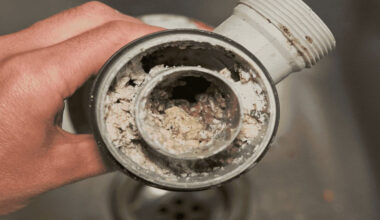
As a final step in maintaining efficiency, HVAC technicians can also clear the condensate drain line, verifying moisture is removed properly during cooling and dehumidification. Keeping this line unobstructed supports smoother system operation and helps prevent avoidable performance issues. Contact a reputable heating and air conditioning company to learn more about their services.