Why Organic, Why Water‑Based?
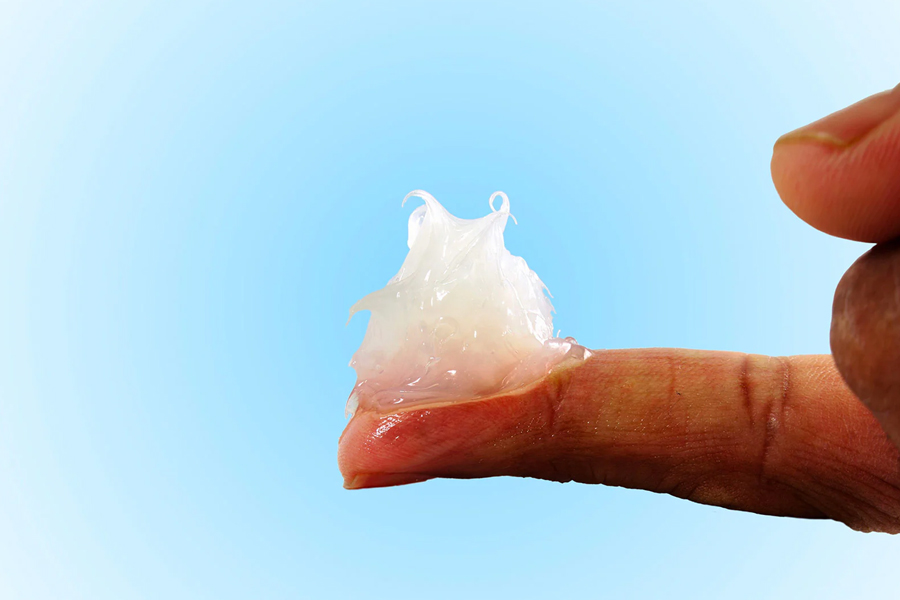
Organic water‑based lubricants are the understated heroes of personal care: quiet, clean, and relentlessly kind to your skin. They’re built on plant‑derived ingredients and thoughtful formulas that skip harsh chemicals, chasing that sweet spot between silky slip and skin health. If you’ve ever felt tuggy dryness, post‑play irritation, or uneasy about mystery additives, going organic checks a lot of boxes.
Water‑based lubes are the most versatile in the lineup—safe with latex and polyisoprene condoms, friendly to silicone toys, easy to wash off, and discreet on sheets. They hydrate, they don’t stain, and when you want a mid‑moment refresh, a touch of water revives them. Layer in organic sourcing and you’re prioritizing gentler chemistry and lighter environmental footprints, from ingredients to packaging.
What’s Inside: Ingredient Deep Dive
A great organic formula reads like a short, confident cast list: every ingredient has a job, and none are just along for the ride.
- Aloe vera: Nature’s calm. Aloe brings soothing moisture, vitamins, and antioxidants that help reduce post‑play redness and keep delicate tissues comfortable.
- Chamomile extract: A light, calming co‑star. Chamomile’s anti‑inflammatory vibes make formulas feel soft and relaxed, with a whisper of a botanical scent.
- Natural glycerin: A humectant that holds onto water for longer glide. Plant‑derived glycerin can enhance slip without leaving sticky residue when balanced with other moisturizers.
- Guar gum or other natural thickeners: These shape the texture—silky, cushiony, not watery—so application feels intuitive and lint‑free.
- Gentle preservatives: Even the cleanest lube needs a guard at the gate. Food‑grade options like sodium benzoate, potassium sorbate, or fermented radish root filtrate keep the bottle fresh without heavy synthetics.
- pH and osmolality tuning: The quiet science that makes usage feel “just right.” Vaginal lubes often aim for a pH near 3.5–4.5, while anal use benefits from neutral pH and extra cushion. Iso‑osmotic formulas are less likely to pull moisture out of tissues, reducing irritation.
Organic doesn’t mean ingredient‑free; it means ingredient‑smart. If your skin is sensitive or reactive, short labels and recognizable botanicals are your ally.
Why Aloe‑Infused Lubes Feel Different
Insiders choose aloe for a reason. It moisturises and soothes, keeping the mood tranquil. Polysaccharides maintain a whisper-thin coating on skin, ensuring steady glide without flashing from slick to sticky. Due to its soothing properties and low irritation risk, aloe works well on sensitive skin.
How to Choose Your Match
You’ll know you’ve found “the one” by how it feels before, during, and after.
- Texture: Do you prefer a featherweight slip or a cushioned, gel‑like glide? Thicker gel textures tend to be great for anal play; lighter liquids excel for everyday intimacy.
- pH & osmolality: If you’re prone to irritation, look for language like “pH‑balanced” or “iso‑osmotic” for gentler comfort on delicate tissues.
- Glycerin: Many natural lubes use plant glycerin to hold moisture, but if you’ve experienced yeast imbalance, choose glycerin‑free or lower‑osmolality formulas.
- Compatibility: Water‑based lubes play well with condoms and silicone toys; skip oil‑based lubes with latex and avoid silicone lube on silicone toys.
- Allergens: Scan for potential triggers like botanical extracts you’ve reacted to in skincare, then patch test on inner arm before you bring it into the bedroom.
- Values: If eco‑ethics matter, look for vegan, cruelty‑free stamps, palm‑free glycerin, and packaging in recycled or recyclable materials.
Think of your lube like skincare for your most sensitive skin: you want that perfect mix of hydration, balance, and simplicity.
Making the Switch: Smart Use & Storage
Transitioning is easy—and you’ll feel the difference. Start with a dime‑to‑quarter‑sized amount; add more as needed because water‑based lubes evaporate gradually. If it dries down mid‑moment, a splash of water or a mist brings it right back to life without piling on product.
Keep your bottle cool, dry, and out of direct sunlight to maintain texture and function. Securely cap and maintain cleanliness to avoid double-dipping or sharing applicators. Most natural products last 12–24 months once opened, but your nose and eyes know best: if the aroma or texture changes, retire it.
Benefits for Body, Partner, and Planet
The ideal organic water-based lubricant serves three purposes. It reduces friction, preserves fragile tissue, and keeps your body comfortable when hormones, drugs, or stress deprive it of moisture. Your partner gains confidence because everything feels smoother, kinder, and more connected.
Organic and biodegradable components decrease chemical burden from farm to shower drain, benefiting the world. To reduce waste, several firms prioritise low-impact manufacturing, responsibly sourced plant inputs, and recycled packaging. You improve intimacy and spend your daily decisions properly.
Wellness at Every Age and Stage
Lube isn’t a “sometimes” accessory; it’s a wellness tool. People navigating postpartum changes, perimenopause or menopause, medication‑related dryness, or pelvic floor therapy often find that an organic water‑based formula flips the script on discomfort. It’s a simple step that honors your body’s changing needs without complications.
For anal play, use thicker water-based gels with an ample cushion and incorporate reapplication into the routine. Lighter liquid textures can feel so natural for everyday intimacy that you won’t notice a product—just silky, gliding ease that preserves your concentration.
FAQ
Are organic water‑based lubes safe with condoms?
Yes, they’re compatible with latex and polyisoprene condoms and won’t weaken them.
Will a water‑based lube work with silicone toys?
Absolutely—water‑based formulas are the go‑to partner for silicone toys.
Can glycerin cause yeast infections?
Some people prone to yeast imbalance prefer glycerin‑free formulas, but balanced, lower‑osmolality lubes with plant glycerin work fine for many.
What does “osmolality” mean in a lube?
It’s a measure of how a formula interacts with your tissues; iso‑osmotic lubes are gentler and less likely to draw moisture out of the skin.
Do natural lubes expire faster?
They typically have standard shelf lives, but store them cool and sealed, and discard if smell or texture changes.
Is aloe safe for sensitive skin?
Aloe is generally soothing and well‑tolerated, though anyone with plant sensitivities should patch test first.
Are water‑based lubes stain‑free?
They’re easy to wash out and usually don’t stain fabrics, which is part of their everyday appeal.
Can I use water‑based lube for anal play?
Yes, choose thicker gel textures for more cushion and reapply regularly for comfort.
What if my lube gets sticky?
A small splash of water or a mist will reactivate water‑based lubes and smooth out stickiness.
Do organic lubes need preservatives?
They do—gentle, food‑grade preservatives help keep the bottle safe from microbes.
Is oil‑based lube better than water‑based?
It depends on the context; water‑based is most versatile and condom‑safe, while oil‑based offers long glide but can degrade latex.
Can I use lube during pregnancy?
Many people do, but opt for simple, pH‑balanced formulas and check with a healthcare provider if you have specific concerns.