Every homeowner knows that sinking feeling. The air conditioner makes a strange noise. The furnace takes longer to heat the house. The energy bill creeps up month after month. These small signs are easy to dismiss, notes leading Apopka Management Company, Central Florida Property Management. Life gets busy, and a minor inconvenience rarely feels urgent. But when it comes to your heating and cooling system, those minor issues have a way of growing into major headaches.
Understanding why small HVAC problems escalate can save you thousands of dollars and plenty of frustration. Your heating and cooling system works hard every day. It runs through temperature swings, humidity changes, and constant cycling. When one component starts to struggle, it puts strain on everything else. What begins as a simple fix can quickly become a cascade of failures.
The Domino Effect of Neglect
Consider a dirty air filter. It costs a few dollars to replace and takes less than five minutes. But when you forget about it for months, that clogged filter forces your system to work harder. The blower motor strains to push air through the blockage. The evaporator coil gets less airflow and may start to freeze. Your compressor runs longer cycles trying to reach the thermostat setting. Each of these components wears down faster than it should.
A ten dollar filter replacement ignored for six months can lead to a frozen coil, a burned out motor, or a failed compressor. Suddenly you face repair bills in the hundreds or thousands.
The same principle applies to refrigerant leaks. A small leak might cause your system to run a bit longer or cool a bit less effectively. You might not even notice at first. But refrigerant does more than cool your home. It also keeps the compressor lubricated and at the right temperature. Low refrigerant means your compressor runs hot and works harder. Over time, this leads to compressor failure. Replacing a compressor often costs more than replacing the entire outdoor unit.
Strange Sounds Tell a Story
Your HVAC system communicates through sounds. A healthy system runs with a steady hum. When you hear clicking, grinding, squealing, or banging, something needs attention. These sounds usually indicate mechanical problems that will only get worse.
A squealing noise often means a belt is wearing out or a bearing is failing. Catching it early means a simple part replacement. Waiting until the belt snaps or the bearing seizes can damage motors and other components. A grinding sound from your furnace might signal a problem with the blower wheel. Left alone, it can destroy the motor housing and require much more extensive repairs.
Homeowners across the country deal with these situations daily. Whether someone searches for hvac repair in waco or looks for help in any other city, the story tends to be the same. People call when the system stops working entirely, not when it first started showing signs of trouble. By then, what could have been a minor service call has become an emergency replacement.
Rising Energy Bills Signal Hidden Problems
Your utility bill offers clues about your system’s health. A gradual increase in energy costs often points to declining efficiency. Your system might be working harder to produce the same results. Dirty coils, failing capacitors, low refrigerant, or ductwork leaks all force your equipment to run longer and use more electricity.
Many homeowners chalk up higher bills to rate increases or weather extremes. Sometimes that explains it. But if your bills climb steadily over several months while your usage stays the same, your HVAC system is likely struggling. Addressing the root cause early keeps those bills in check and prevents further damage.
The Cost of Waiting
Repair costs follow a predictable pattern. A technician visit for a minor adjustment or part replacement might run between one hundred and three hundred dollars. Waiting until that minor issue causes a secondary failure doubles or triples the cost. Waiting until the entire system breaks down can mean emergency service fees, temporary housing or hotel stays in extreme weather, and premature system replacement.
A new HVAC system represents a significant investment. Most systems should last fifteen to twenty years with proper care. Neglecting small problems shortens that lifespan dramatically. You end up replacing equipment years before you should, losing thousands of dollars in value.
Simple Steps Protect Your Investment
Staying ahead of problems does not require expertise. Change your filters regularly, typically every one to three months depending on your home. Listen for changes in how your system sounds. Pay attention to uneven heating or cooling in different rooms. Notice if your system runs constantly without reaching the set temperature.
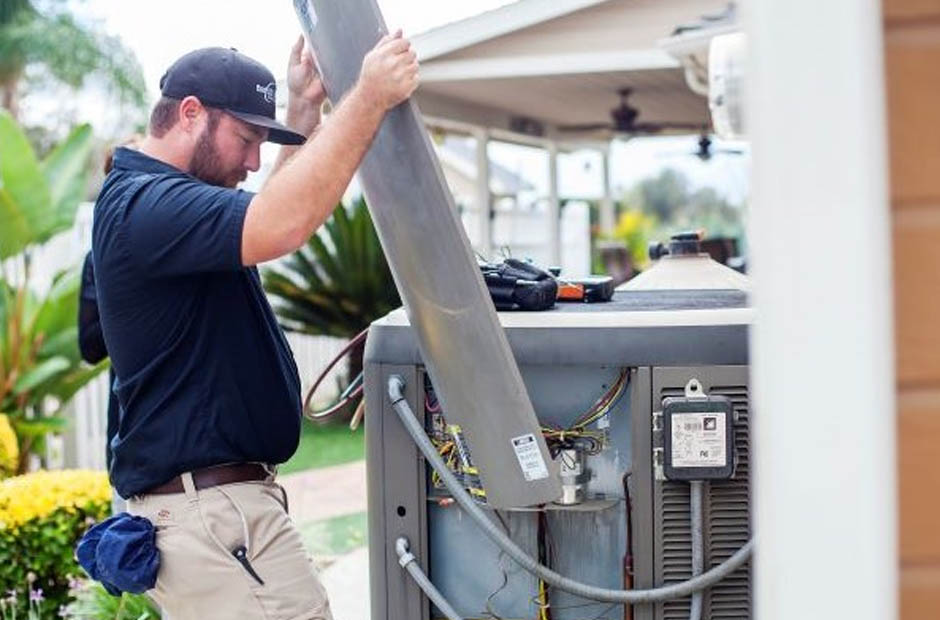
Schedule annual maintenance before each heating and cooling season. A professional inspection catches small issues before they grow. Technicians clean components, check electrical connections, test safety controls, and measure system performance. This routine care costs far less than emergency repairs.
When you do notice something wrong, act quickly. That strange noise or slight temperature change is your system asking for help. Responding promptly keeps small problems small.
Your HVAC system works quietly in the background, keeping your home comfortable year round. It deserves a little attention in return. The few minutes you spend changing a filter or the modest cost of a maintenance visit protect your comfort, your budget, and your peace of mind. Small problems only become big problems when we let them.