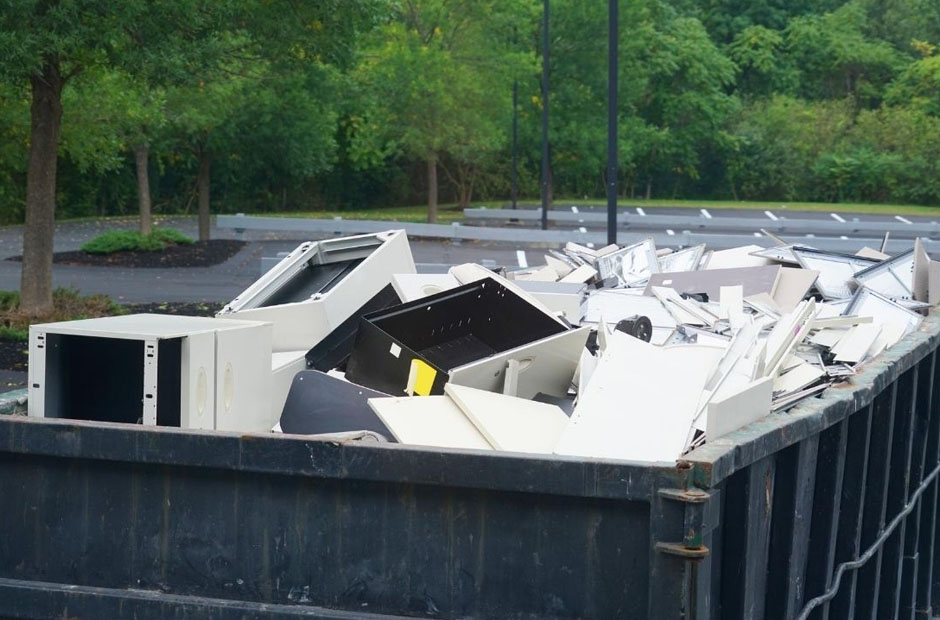
A dumpster rental provides a temporary container for collecting and managing large volumes of debris. Every dumpster has a specific fill limit based on the size of the container and the type of materials being disposed of. Here is more information about why rental dumpsters have fill limits:
Transportation Safety
Fill limits help manage the weight and volume of the debris to enhance safe transportation on public roads and highways. The load remains balanced and centered within the transport truck’s operational capabilities, preventing swaying or tipping during transit. Garbage weight stays within the disposal truck’s chassis capacity. All the safety mechanisms, such as the brakes and suspension, function as designed when certain weight and volume limits are not exceeded.
By keeping all materials below the edge of the dumpster, fill limits allow the container to be safely covered. Proper covering prevents loose debris, heavy, or sharp objects from flying out of the container while the truck is moving. Secure containment prevents damage caused by falling objects to vehicles or property, or injury to pedestrians along the truck’s route.
Structural Maintenance
Fill limits maintain the structural integrity of the dumpster rental by keeping weight and pressure within the container’s engineered specifications. Here is how the limits help prevent damaging the container:
- Wall bulging prevention
- Seam and weld protection
- Safeguarding door mechanisms
- Frame stability
The dumpster walls are designed to withstand a specific amount of outward pressure. Filling the container to the correct levels prevents the steel walls from bowing or bulging outwards, preventing shape damage. Keeping the weight within limits prevents the seams and welds from being overstressed and breaking apart. Appropriate fill levels safeguard the door mechanisms by preventing damage to the hinges when closed. Adhering to the fill line further prevents the frame from bending or failing under excessive weight.
Pollution Prevention
Maintaining dumpster fill limits prevents pollution by minimizing spillage and wind dispersal before the container is picked up. An overflowing open-top dumpster allows rainwater to pool and mix with the garbage. If the waste stays below the rim, the potential for contaminated runoff spilling onto the ground is reduced.
Keeping contents within the metal walls makes them less visible and accessible to animals and pests that might scatter them. A dumpster neatly filled below the rim contributes to a more organized work site. It prevents waste materials from accumulating on the ground and causing localized littering. Keeping waste levels manageable makes it possible to cover the dumpster, which helps reduce odors from decomposing materials.
Dumpster fill restrictions also allow collectors to cover the dumpster with a heavy-duty tarp if necessary. The tarp creates a physical barrier that prevents debris from falling out due to wind resistance during vehicle movement. When the truck arrives at the disposal facility, a professional tilts the container to unload the contents. A properly filled container allows the material to be released in a controlled manner into the dumping area, preventing spills.
Load Planning Optimization
Dumpster limits help waste management companies anticipate the weight of each load. Most companies set a clear maximum tonnage for each dumpster size. Knowing the load in advance allows dispatchers to assign a truck rated for that weight. They can choose the most fuel-efficient vehicle that will handle the load safely, avoiding underpowered trucks or unnecessarily heavy-duty vehicles. Because dumpsters within the limit are immediately ready for transport, route planners are able to create more efficient schedules. These tighter schedules maximize the number of pickups a driver can complete in a single shift without unexpected delays.
Equipment Functionality
Garbage trucks use hydraulic lift systems designed to handle a specific maximum weight. Staying within the fill limit makes sure the load does not exceed this capacity, preventing strain on the hydraulics. When the dumpster is within the safe weight range, the driver can hook it and lift it onto the truck’s chassis. Properly weighted loads reduce the risk of equipment failure or the dumpster tipping during loading.
Learn More About Dumpster Rentals
Dumpster providers prohibit clients from dumping hazardous wastes into their rental containers. They offer different dumpster sizes for rent depending on the needs of your project. Contact a reputable dumpster rental company to learn more about their sizes and container availability.