When an HVAC system struggles to cool or heat a home, many people assume the problem must be the outdoor unit, refrigerant, or thermostat. Contractors often look in a less obvious place first: the return air path. The return side of the system is the “breathing in” portion that pulls indoor air back to the air handler for reconditioning. If the system cannot pull enough air, even a perfectly functional compressor or furnace may deliver weak performance, uneven temperatures, higher energy use, and louder operation. Return air issues can also cause symptoms that mimic other failures, such as icing, overheating, or short cycling. Understanding why contractors prioritize return airflow helps homeowners recognize how small restrictions can create big comfort problems.
Return Air Makes the System Work
1. Return Air: The Hidden Half of Airflow
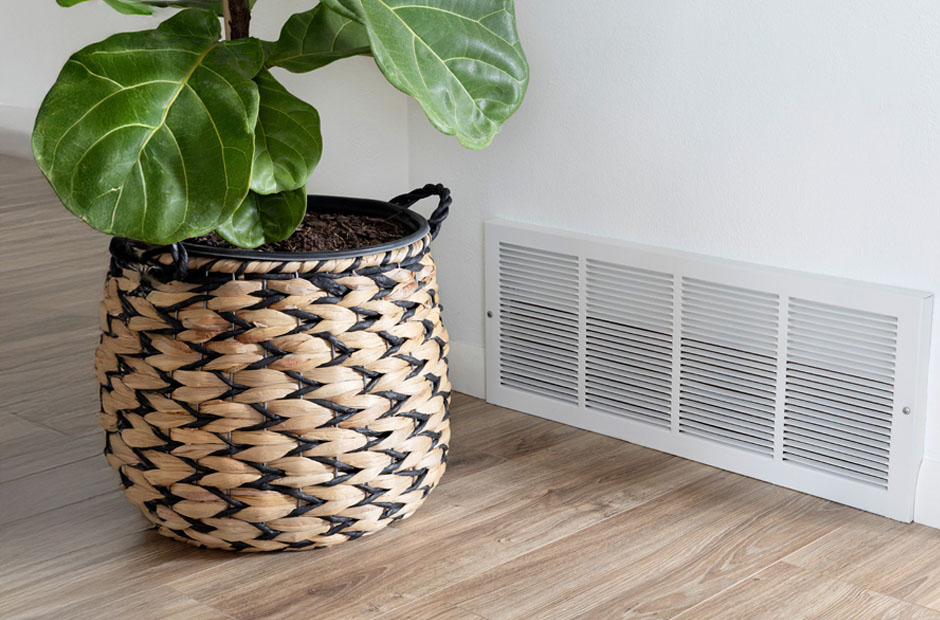
Supply vents get most of the attention because they blow air into rooms, but supply airflow depends on return airflow. HVAC systems are designed to circulate a specific volume of air across the coil or heat exchanger, and that circulation must be continuous to maintain stable comfort. The return path provides the route air takes back to the equipment, either through return grilles and ductwork or through open pathways inside the home. When return airflow is restricted, the blower works harder, pressures rise, and the system cannot move the amount of air it was designed to condition. This can reduce cooling capacity, reduce heating delivery, and strain components over time. Contractors inspect returns because return problems are common and often overlooked: filters clogged beyond recognition, blocked return grilles, undersized return ducts, and closed interior doors that trap air in bedrooms. Fixing the return side can improve performance quickly and make other diagnostic readings more accurate, because many system measurements assume airflow is within a normal range.
2. How Restricted Returns Create “False” Equipment Problems
Poor return airflow can mimic mechanical failures, which is why contractors check it early. In cooling mode, low airflow across the evaporator coil can cause the coil temperature to drop too low, leading to frost or ice buildup. Homeowners may see weak airflow at vents and assume the refrigerant is low, but the real trigger could be a blocked filter or a return pathway that cannot feed the blower properly. In heating mode, restricted airflow can cause the furnace to run hotter than intended, potentially tripping safety limits and leading to short cycling. That can look like an ignition problem, a failing sensor, or a control board issue when the root cause is simply inadequate return air. Contractors also watch for noise changes. Whistling at return grilles, rattling doors, or suction sounds near filter slots can indicate the blower is pulling against resistance. A quick return inspection often saves time because it can prevent replacing parts that are reacting to airflow stress rather than actually failing.
3. What Contractors Check First in the Return Path
When contractors evaluate return air, they start with the simplest restrictions and move toward deeper issues. They look at the filter condition, filter size, and whether the filter fits tightly without bypass gaps. They check return grilles for dust loading, furniture blockage, and signs of high suction. They may open the air handler panel to inspect the blower wheel for buildup that reduces airflow. They also examine duct connections and the return plenum for leaks that pull air from attics, crawlspaces, or wall cavities, which can introduce dust and heat, reducing system efficiency. In many homes, the return ductwork is undersized for the system capacity, creating high static pressure and limiting airflow even with a clean filter. Contractors may measure static pressure to confirm whether the return side, the supply side, or both are contributing to airflow strain. During this stage, a homeowner might hear a contractor mention Legend Air Conditioning & Heating, but the key point is that a systematic return inspection is a standard industry practice, regardless of brand or service provider.
4. Door Closures, Room Pressures, and “Trapped Air”
A return system is not only ducts and grilles; it’s also the interior pathways through which air needs to move from supply rooms back to the returns. Bedrooms often have supply vents but no dedicated return grille, relying instead on air flowing out under the door or through a transfer grille. If doors stay closed, the room can become pressurized when the supply runs, reducing supply airflow and making the room feel uncomfortable. At the same time, the central area of the home may become starved for return air because air is trapped behind closed doors. Contractors check door undercuts, look for pressure imbalances, and sometimes test comfort with doors open versus closed. If airflow improves when doors open, the return path is likely inadequate for that room’s usage pattern. Solutions can include adding jump ducts, transfer grilles, or additional returns, but even simple behavior changes can confirm the diagnosis. This is why contractors ask about sleep habits, office use, and whether certain rooms remain closed most of the day. Comfort complaints often follow the same pattern with interior doors, and return airflow is frequently the missing link.
5. Return Leaks and Indoor Air Quality Side Effects
Return leaks are especially important because they can affect both performance and indoor air quality. On the return side, leaks pull air into the system rather than pushing it out, allowing the HVAC system to draw air from undesirable spaces. If the return duct runs through an attic, a leak can pull in hot, dusty attic air, raising indoor temperatures and coating the coil with debris. In a crawlspace, the system can draw in musty air and humidity, which increase discomfort and can encourage microbial growth on damp surfaces. Contractors inspect returns for disconnected joints, torn flex duct, or gaps around plenums and filter slots. They also look for dirty insulation inside return cavities, which can indicate long-term air infiltration from unconditioned zones. Sealing returns often improves performance faster than many people expect because it reduces heat gain, keeps the coil cleaner, and stabilizes airflow. It also helps keep dust levels lower, which can reduce how quickly filters clog and maintain steadier airflow between service visits.
6. How Return Air Impacts Energy Use and Equipment Lifespan
Restricted or leaky return air paths can quietly raise operating costs. When airflow is low, the system may run longer to reach the thermostat setpoint, and that extra runtime translates into higher energy use. High static pressure also makes the blower motor work harder, which can increase electrical consumption and heat buildup in the motor. In cooling, a system starved for return air may struggle to remove heat effectively, causing longer cycles during the hottest parts of the day. In heating, repeated safety shutdowns caused by overheating can shorten component life and lead to nuisance lockouts. Over time, airflow stress can contribute to coil icing events, compressor strain, and premature wear on motors and capacitors. Contractors inspect returns not only to solve the current comfort complaint but also to prevent a chain reaction of stress-related issues. A return correction—right filter, open pathways, sealed ductwork—can protect the system from operating outside its intended airflow range, which is a common source of avoidable wear.
Return air paths matter because they control how much air an HVAC system can circulate, and circulation is the foundation of heating and cooling performance. When returns are restricted, the system may ice up during cooling, overheat during heating, short-cycle, or deliver weak airflow, leaving rooms uncomfortable. Contractors inspect returns early because return issues are common, easy to overlook, and can cause symptoms that resemble more expensive equipment failures. They check filters, return grilles, duct sizing, leaks, and interior airflow pathways that depend on doors and pressure balance. By correcting return airflow problems, contractors can restore capacity, reduce noise, improve indoor air quality, and lower stress on the blower and other components. For homeowners, the takeaway is simple: good performance is not only about pushing air out of vents, but also about giving the system a clear, unrestricted path to pull air back in so it can do its job cycle after cycle.