Exploring homeownership in a master-planned community (MPC) brings opportunities for a vibrant lifestyle, cohesive neighborhoods, and amenities designed for ease and enjoyment. The process, however, extends beyond curb appeal, encompassing a comprehensive examination of everything from the development’s long-term vision to your daily routines and future resale value. For buyers considering Florida’s sought-after master-planned areas, finding Lakewood Ranch FL Homes for Sale can reveal what makes these neighborhoods such a desirable investment.
Before settling on a home, potential buyers should examine factors such as the developer’s reputation, the Homeowners’ Association (HOA) ‘s policies, and the community’s plans for the years ahead. Approaching your search with these elements in mind can help you make a well-informed decision that fits your lifestyle and financial objectives.
Surveying local amenities and rules, understanding the interplay of location logistics, and budgeting for upgrades and ongoing costs are all crucial aspects of securing long-term happiness in an MPC. A thoughtful approach helps you anticipate both the perks and responsibilities that come with master-planned living, maximizing your investment’s value—and your comfort.
In addition to the value and lifestyle enhancements, understanding broader market trends within MPCs can be helpful. A master-planned development is more than just homes—it’s a holistic residential experience shaped by community-focused planning and careful attention to resident needs.
Understanding Master-Planned Communities
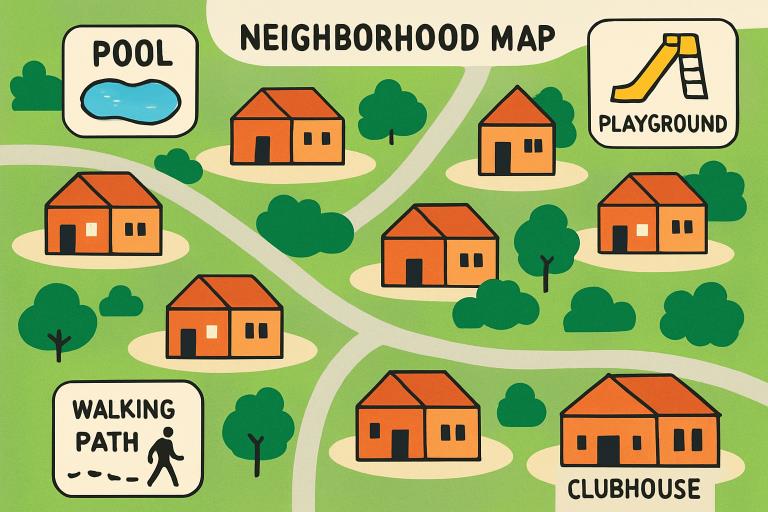
Master-planned communities are thoughtfully designed developments that typically offer a blend of residential homes, recreational spaces, retail outlets, schools, and other amenities within a unified vision. These neighborhoods are strategically created for convenience and long-term sustainability, often providing residents with seamless access to daily necessities and opportunities for social connection. Choosing an MPC helps foster a sense of community and security, while also providing an enjoyable and often maintenance-free lifestyle.
Evaluate the Amenities
The suite of amenities in a master-planned community often serves as its main selling point. Resort-inspired artistry, luxurious houses, game courts, fitness centers, and miles of trails can all contribute to a premium living experience. Some communities even include on-site schools, dog parks, or golf courses, catering to a diverse range of interests and needs. When considering a property, ensure the available amenities match both your current and anticipated lifestyle preferences. Many moving trends and homebuyer surveys indicate a growing demand for outdoor spaces and multipurpose recreation areas, which can be a sign of future demand within these developments.
Review Homeowners’ Association Rules
One defining feature of MPCs is the presence of a Homeowners’ Association. The HOA enforces community standards, manages amenities, and ensures a high level of property upkeep. Carefully review their rules regarding home exteriors, landscaping, vehicle storage, and rental policies. HOA fees and what they cover should be transparent, as should any penalties for non-compliance. This prevents misunderstandings down the line and ensures the community’s rules align with your lifestyle priorities. For more information on what to expect from HOAs, visit the Consumer Financial Protection Bureau.
Assess the Builder’s Reputation
Master-planned communities often involve multiple builders, each with its own design philosophies and quality standards. It’s wise to research each builder’s history, reviews, and warranty policies. Even with new constructions, an independent inspection is always recommended to identify workmanship or materials issues before closing. A reputable builder not only ensures greater structural integrity but also contributes to the long-term attractiveness and value of your home.
Consider Location and Daily Logistics
While MPC amenities are desirable, practical daily life deserves equal attention. Investigate commuting routes, proximity to schools, healthcare providers, employment hubs, and essential shops. Visit the site at different hours to observe traffic patterns and neighborhood activity. These daily logistics impact day-to-day convenience and your long-term satisfaction with the location.
Investigate Future Development Plans
The growth trajectory of an MPC can directly influence its desirability and potential appreciation. Find out about future infrastructure plans—new schools, roadways, retail spaces, or parks—both within the community and in the surrounding area. Confirm if additional phases of development are expected and how they might affect traffic, privacy, and access to amenities. Being proactive about plans helps avoid unwelcome surprises and positions you to benefit from upcoming improvements.
Analyze Resale Value Trends
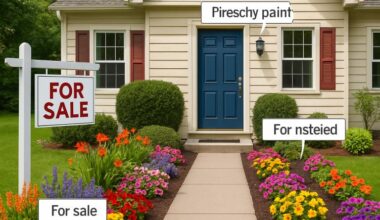
Properties in master-planned communities often hold their value well due to strong neighborhood branding, desirable amenities, and high curb appeal. Review comparable sales, average time on the market, and how specific upgrades or lot positions affect home prices. A focus on community desirability and historic price trends can give you an edge when it’s time to sell, ensuring your investment grows in parallel with the community.
Budget for Upgrades and Ongoing Costs
New-build homes often come with a menu of available upgrades—think enhanced kitchens, flooring options, or premium landscaping. Prioritize selections that improve your daily life and offer the best potential return on investment. Remember to account for ongoing costs, such as utilities, HOA dues, and periodic maintenance, as well as additional expenses like custom window treatments or fencing that may not be included in the initial price.
Conclusion
Purchasing a home in a master-planned community delivers more than just a place to live—it offers an integrated lifestyle, community-driven amenities, and a blueprint for future growth. By assessing factors such as amenities, HOA rules, builder credibility, daily logistics, and development plans, you can make decisions that align your investment with your goals. Doing due diligence now ensures you’ll enjoy both the tangible and intangible benefits of life in a thoughtfully designed community.