For many people, orthodontic treatment is something they associate with middle school and teenage years. Braces in yearbook photos. Colorful rubber bands. Awkward school pictures.
But what if you’re in your 20s or 30s — or even early 40s — and you’re wondering whether it’s too late to straighten your teeth?
The short answer: No, it’s not too late.
Modern orthodontics has evolved significantly, and today, more young adults than ever are choosing to improve their smile, oral health, and confidence through treatment.
Why More Young Adults Are Getting Orthodontic Treatment
Orthodontic treatment for adults is no longer unusual. According to the American Association of Orthodontists, a growing percentage of orthodontic patients are over the age of 18. In fact, adults now make up a substantial segment of orthodontic practices across the United States.
There are several reasons for this shift:
- Increased awareness of oral health
- Greater emphasis on aesthetics and confidence
- Advancements in discreet treatment options
- Improved affordability and flexible payment plans
Many young adults didn’t have access to orthodontic care as teens. Others had braces but experienced relapse because they didn’t wear retainers consistently. Some are now in professional careers where appearance and self-confidence matter more than ever.
The good news is that biology — not age — determines whether teeth can move.
Can Teeth Still Move After Your Teenage Years?
Yes. Teeth can move at any age as long as the gums and bone supporting them are healthy.
Orthodontic treatment works by applying controlled pressure to teeth. This stimulates bone remodeling — a natural biological process where bone tissue breaks down and rebuilds around the tooth’s new position.
While treatment may sometimes take slightly longer in adults compared to adolescents (because adult bone is denser), results are just as predictable when managed properly by an experienced provider.
If you’re considering treatment, consulting a qualified Orthodontics specialist is the first step to understanding your options and timeline.
Common Reasons Young Adults Seek Braces or Invisalign
Young adults pursue orthodontic treatment for a variety of functional and aesthetic reasons:
1. Crowded or Crooked Teeth
Misaligned teeth can make brushing and flossing difficult, increasing the risk of cavities and gum disease.
2. Bite Problems
Issues like overbite, underbite, crossbite, or open bite can cause jaw discomfort, uneven tooth wear, and even headaches.
3. Relapse After Childhood Braces
Teeth naturally shift over time, especially if retainers were not worn as directed.
4. Professional Confidence
A straighter smile can positively impact confidence in job interviews, client meetings, and social interactions.
Orthodontic care is not purely cosmetic — it plays a critical role in long-term oral health.
Treatment Options for Young Adults
One of the biggest advantages today is the variety of discreet treatment options available.
Traditional Braces
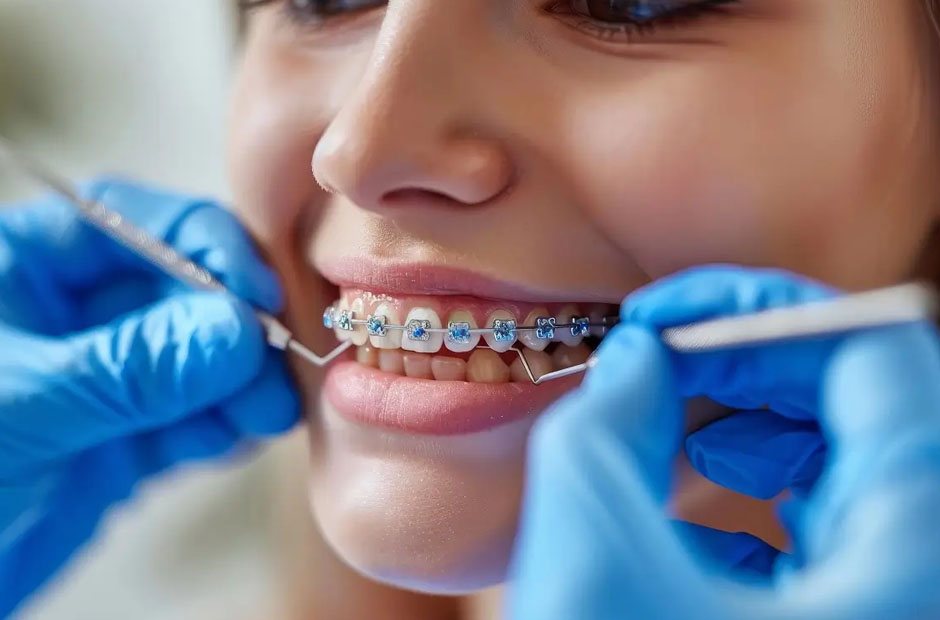
Modern braces are smaller, more comfortable, and more efficient than those from decades past. Options include:
- Metal braces – Durable and highly effective
- Ceramic (clear) braces – Blend more naturally with tooth color
Braces are often ideal for complex alignment or bite corrections.
Clear Aligners (Invisalign and Similar Systems)
Clear aligners have become especially popular among young professionals. These custom-made trays gradually shift teeth into place and are:
- Nearly invisible
- Removable for eating and brushing
- Comfortable and smooth
Aligners are excellent for mild to moderate cases, though suitability depends on your specific alignment needs.
Is Orthodontic Treatment More Complicated for Adults?
Adult orthodontics may require additional considerations:
- Existing dental work (crowns, bridges, implants)
- Gum health
- Bone density differences
- Temporomandibular joint (TMJ) issues
However, these factors do not automatically disqualify someone from treatment. They simply require careful evaluation and planning.
In some cases, adults may need collaborative care between a general dentist and orthodontist to ensure optimal results.
How Long Does Treatment Take?
Treatment time varies depending on:
- Severity of misalignment
- Type of appliance used
- Patient compliance (especially with aligners)
- Overall oral health
On average, young adult orthodontic treatment can take anywhere from 12 to 24 months. Minor cases may resolve more quickly, while complex bite corrections may require longer timelines.
Consistency matters. Wearing aligners as instructed or attending regular adjustment appointments helps keep treatment on schedule.
The Long-Term Benefits of Straightening Your Teeth
Orthodontic treatment offers benefits that go far beyond appearance:
Improved Oral Hygiene
Straight teeth are easier to clean, reducing the risk of cavities and periodontal disease.
Reduced Tooth Wear
Correcting bite alignment prevents uneven pressure that can damage enamel.
Better Jaw Function
Addressing misalignment can reduce strain on jaw joints and muscles.
Enhanced Confidence
A confident smile often influences both personal and professional interactions.
These benefits compound over time, making treatment an investment in long-term health.
Is It Ever “Too Late”?
While orthodontic treatment is possible at nearly any age, candidacy depends more on oral health than chronological age.
You may not be a candidate if you have:
- Advanced untreated gum disease
- Severe bone loss
- Uncontrolled systemic health issues affecting healing
That said, many of these conditions can be addressed before orthodontic treatment begins.
If you’re unsure whether you qualify, scheduling a consultation with an experienced provider is the best way to get clarity. A reputable Orthodontics practice or trusted orthodontist in Washington, DC can evaluate your teeth, bite, and gum health and provide a customized treatment plan.
What to Expect at Your First Consultation
An initial orthodontic consultation typically includes:
- Digital X-rays
- Photographs and 3D scans
- Bite evaluation
- Discussion of goals and concerns
- Review of treatment options and costs
This appointment is informational and helps you understand:
- Whether treatment is appropriate
- Which appliance suits your lifestyle
- Estimated duration
- Financial considerations
Many offices now use digital scanning technology instead of traditional molds, improving comfort and precision.
The Bottom Line
Orthodontic treatment for young adults is not only common — it’s highly effective. Age alone does not determine whether you can straighten your teeth. Healthy gums and bone support matter far more.
With modern options like discreet braces and clear aligners, improving your smile no longer means compromising your lifestyle or professional image.
If you’ve been postponing treatment because you thought you “missed your window,” consider this your reassurance: the window is still open.
The best time to straighten your teeth may have been years ago.
The second-best time might be now.