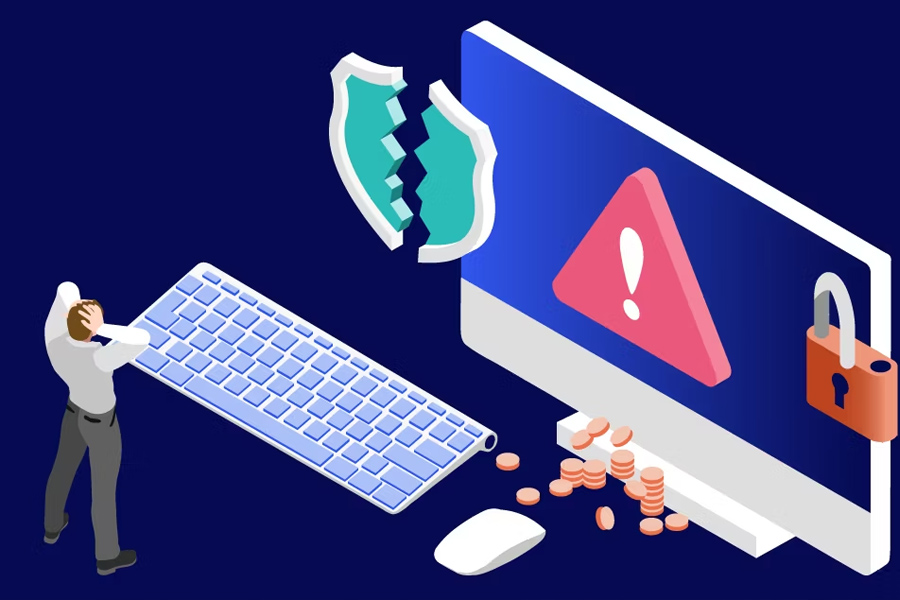
What “Cracked” Really Means
This sounds simple: someone hacks paid software to operate without a license. To make the software appear legitimate, it deliberately rewrites core checks—activation, payment verification, certificate validation. That usually entails altering executable files, producing phoney licensing keys, or blocking authentication servers so the app never calls home.
It’s slick engineering with a messy aftermath. Once code is altered, you lose the chain of trust that keeps software stable, secure, and predictable. What you get may look like the real thing on the surface, but the integrity—both technical and legal—is gone.
Why Cracked Windows Isn’t Safe
Pirated operating systems invite chaos. A cracked build can boot, browse, and even install apps like normal, but you’re walking through a house with doors unlocked and alarm systems disabled. That’s the nature of a crack: to bypass protections, it has to interfere with them. The result is an OS that’s easy prey for attackers, and hard to trust for your daily life—banking, work, school, photos, and everything in between.
Security Backdoors and Common Malware
You’ll see cracked copies everywhere—torrent hubs, file-sharing communities, shady mirrors—with slick descriptions and glowing comments. Behind the curtain, a lot of those packages are booby-trapped. Popular threats tucked inside or installed alongside cracked Windows and Office include:
- Information-stealing Trojans that swipe passwords, cookies, and session tokens.
- Ransomware that locks files and demands payment.
- Keyloggers that quietly record what you type.
- Botnet clients that conscript your PC into coordinated attacks.
- Cryptominers that siphon CPU/GPU power and send your energy bill soaring.
Even if a crack “works,” that doesn’t mean it’s clean. Malware often hides in modified installers, startup scripts, or system drivers—quietly persisting, spreading to other devices on your network, and exfiltrating data long after you’ve forgotten you installed it.
The Update Problem: Living Without Patches
Security updates are the lifeblood of a modern operating system. Cracked builds frequently break or disable update mechanisms, block access to update servers, or tamper with services that scan for and install patches. That leaves you exposed to known vulnerabilities—issues attackers actively exploit because they know many machines will remain unpatched for months.
Running without updates is like driving without brakes: it works until you need to stop. And when a serious vulnerability makes headlines, legitimate systems get patched while pirated ones stay vulnerable, piling risk on risk every week you remain out-of-date.
The Legal Landscape: What Piracy Exposes You To
Software is licensed intellectual property, not simply code. License violations and copyright infringement might result from cracked Windows or Office. While huge commercial piracy cases make headlines, individuals aren’t invisible. Businesses face audits, fines, compliance issues, and reputational damage; individuals may be investigated, fined, or denied services.
Even when enforcement doesn’t knock on the door, the day-to-day consequences still bite: you can’t rely on vendor support, warranties, or official remediation when something breaks, and you risk losing data, client trust, and insurance coverage in a security incident.
Office Downloads: Where Source Matters
For productivity suites, the download source determines your fate. Official channels provide clean, verified installers and ongoing updates, while third-party “free” builds are notorious for bundling unwanted add-ons and weaponized code.
Legitimate paths include:
- The vendor’s website for trials and full licenses.
- A subscription that keeps apps current across devices.
- Business and education licensing for teams and institutions.
- Authorized resellers for boxed or digital licenses.
Unofficial routes can strip features, inject trackers, and leave you without security fixes or support. If an installer is modified, you can’t trust what it installs—or what it leaves behind.
Operational Headaches You’ll Meet
Cracked software is rarely stable over time. Common pain points include:
- Missing features or disabled components that break work routines.
- Random crashes caused by patched binaries and altered system files.
- Compatibility issues with drivers, hardware, and other applications.
- Sluggish performance from hidden miners or intrusive background tasks.
- No help desk to call when the wheels come off.
Even small glitches compound: a macro that fails in a spreadsheet, a printer that won’t talk to the OS, a cloud sign-in that mysteriously refuses credentials. You spend your time diagnosing a house of cards.
Smarter Paths: Legitimate Options That Don’t Break the Bank
You don’t have to choose between overspending and risk. There are flexible ways to stay legal and protected without wrestling your budget:
- Subscription models let you pay monthly or annually and include updates, cloud storage, and multi-device support.
- Student and educator programs often carry deep discounts, with many institutions providing licenses at no additional cost.
- Business licensing scales features and compliance tools, reducing audit stress and ensuring enterprises stay within policy.
- Well-regarded free and open-source suites cover everyday tasks like word processing, spreadsheets, and presentations, and pair nicely with cloud platforms for collaboration.
The real win isn’t just the sticker price—it’s confidence. Clean installers, consistent updates, dependable support, and a license that stands up to scrutiny mean your work, finances, and data live on solid ground.
FAQ
Is it safe to use a cracked version of Windows?
No. Cracked systems commonly disable security features and carry hidden malware that can steal data or damage your device.
Will a cracked OS receive security updates?
Usually not. Cracks often break or block update services, leaving you exposed to known vulnerabilities.
Can individuals face legal trouble for using pirated software?
Yes. Unauthorized use violates licensing and copyright, which can lead to financial penalties and other consequences.
Are pirated Office installers the same as official ones?
No. Unofficial installers are frequently modified, missing features, and more likely to carry malware.
What risks do businesses take with cracked software?
They risk audits, fines, data breaches, insurance complications, and reputational damage.
Are there affordable legal options for Windows and Office?
Yes. Subscriptions, academic discounts, and authorized resellers provide budget-friendly paths to genuine software.
Is free open-source software a viable alternative?
For many everyday tasks, absolutely. Modern open-source suites handle core office needs and collaborate well in the cloud.
Do cracked programs slow down my computer?
Often. Hidden miners, spyware, and unstable patches can degrade performance and cause crashes.