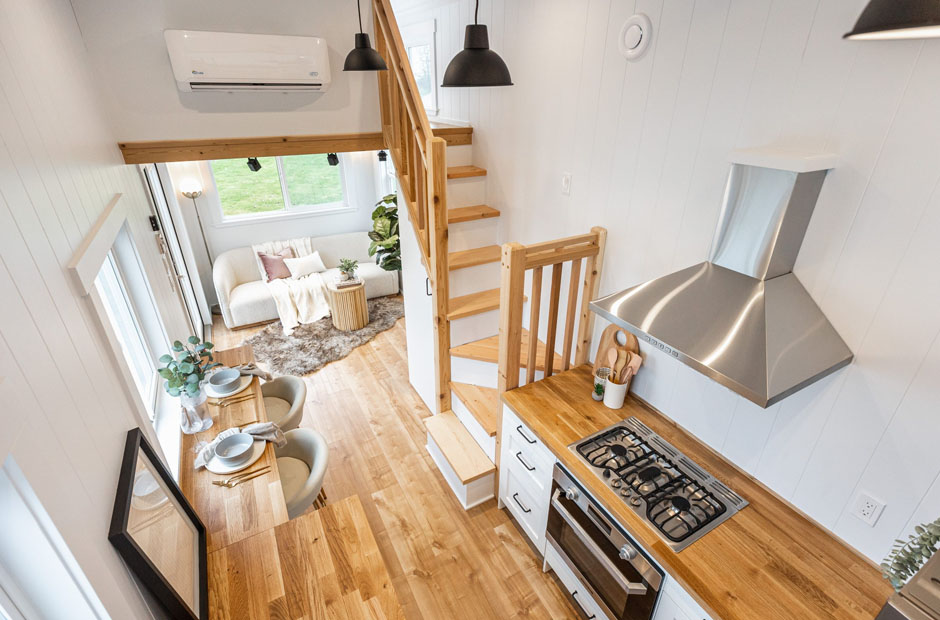
Tiny living can feel freeing because it simplifies decisions, reduces maintenance, and encourages you to keep only what supports your day-to-day life. Yet the moment you start choosing a size and floor plan, “simple” becomes surprisingly personal. A tiny house that feels perfect for a weekend retreat can feel cramped for full-time living, while a layout that looks spacious in photos may not fit your routines once cooking, working, sleeping, and storage all happen in the same footprint. The right choice depends on how you actually spend your time: whether you work from home, entertain guests, travel often, cook daily, or need private zones to decompress. It also depends on climate, mobility needs, and how many people or pets share the space. Tiny house planning is less about chasing a trend and more about mapping your lifestyle into a compact design that supports comfort, movement, and flexibility without wasted square footage.
Matching Space to Daily Life
1. Start With How You Live, Not Just Square Feet
A tiny house size should be chosen based on your habits first, because your routines determine whether the home feels functional or constantly tight. Someone who spends most days outdoors and cooks simple meals can live comfortably in a smaller footprint than someone who works remotely, cooks often, and needs quiet time inside. Think about your “high-frequency” tasks: making coffee, storing groceries, taking showers, doing laundry, getting dressed, and working at a desk. If any one of these tasks feels awkward in a floor plan, you’ll feel that friction every day. Tiny houses also magnify clutter, so storage capacity should match your real belongings, not an idealized future version of you. A good approach is to imagine a typical weekday, hour by hour, and picture where each activity takes place. If you need separate zones for sleeping and working, a slightly larger layout might actually feel calmer because it prevents constant resetting of the same surface for different tasks. In the early planning stage, it’s also useful to compare tiny living to other small formats you may already understand, including studios, small apartments, or carriage house building designs that balance privacy and efficiency in compact footprints.
2. Choosing a Size That Fits Comfort and Mobility
Tiny house sizing often comes down to a choice between stationary comfort and mobile flexibility. If you plan to move frequently, a smaller tiny house on wheels may be easier to tow, park, and navigate, but it may limit ceiling height, storage space, and the use of large appliances. If you plan to stay put, a slightly larger tiny house or a small backyard unit can give you more breathing room and allow design choices that feel closer to a conventional home, such as a full-size shower, a wider kitchen, or a dedicated sleeping nook. Size also affects how the home handles seasonal living. In colder climates, greater interior volume can mean higher heating demand, but it can also allow for better insulation and mechanical systems that are less cramped. In hotter climates, cross ventilation and shaded outdoor living areas can make a smaller interior feel more comfortable. The most practical way to choose size is to match it to your tolerance for multi-purpose space. If you enjoy convertible furniture and don’t mind shifting between “modes,” you can go smaller. If you want fewer daily compromises, more square footage can be worth it, even if the home still qualifies as tiny by traditional standards.
3. Floor Plan Priorities: Flow, Light, and Real Movement
In a tiny house, the floor plan is more important than total square footage because layout determines whether the space feels open or crowded. Contractors and designers often talk about “flow,” but in tiny living, flow means you can move through the home without constantly turning sideways, stepping over things, or blocking someone else’s path. Start by identifying choke points: the entry, the kitchen corridor, the bathroom door swing, and any ladder or stair location. A layout can look spacious until two people try to pass each other while cooking or one person needs to access storage behind another. Natural light also changes perception more dramatically in small spaces, so window placement and sightlines matter. A tiny house can feel larger if you can see across it, if windows are positioned to pull the eye outward, and if the kitchen doesn’t visually block the living zone. Many people underestimate how often they stand in the kitchen, so giving it enough counter length and clearance can increase daily satisfaction more than adding a larger couch. The floor plan should support your movement patterns, not just look appealing in a rendering.
4. Loft, Single-Level, or Split-Level Living Choices
One of the most personal decisions is whether you can comfortably live with a loft. Lofts save floor space, but they come with trade-offs: climbing, limited headroom, warmer temperatures in summer, and less accessibility over time. If you’re younger and enjoy the cozy feel of a loft bed, it can free up space for a bigger kitchen or a seating area. If you anticipate mobility changes, plan to age in place, or simply want easier nighttime access to a bathroom, a single-level sleeping arrangement might be a better fit. Some tiny homes solve this by using a split-level design with a few steps up to a sleeping platform and storage below, which can be easier than a steep ladder while still saving space. Another approach is a main-floor bedroom that sacrifices a bit of living room width but creates a calmer daily routine. If you work long hours, a loft can sometimes feel like a separate mental zone—useful for separating work and rest—while others find it claustrophobic. The right choice comes down to how your body feels climbing daily and how much you value a true “bedroom” boundary versus an open studio-like feel.
5. Kitchen, Bathroom, and Storage: The Make-or-Break Zones
Most tiny house regret comes from underestimating the practical zones: kitchen, bathroom, and storage. If you cook daily, you need counter space for prepping, a sink that fits real dishes, and storage that keeps clutter off the counter. A tiny kitchen can still feel workable if storage is efficient, vertical, and easy to access, but it becomes stressful if you have to move items just to make a meal. Bathrooms are similar: a compact bathroom is fine if it feels dry, ventilated, and easy to clean, but it becomes frustrating if the shower is too small, the toilet feels cramped, or humidity lingers. Storage is not only closets; it’s also where your shoes go, where cleaning supplies live, where you keep pantry items, and how you store seasonal gear. A floor plan should integrate storage into steps, seating, bed bases, and wall cavities so it feels invisible rather than bulky. When these zones are designed well, the tiny house feels calm because surfaces stay clear, chores take less effort, and the home doesn’t feel like it’s constantly “filling up” with daily life.
6. Testing Your Plan Before You Build
A smart way to choose the right size and floor plan is to test your assumptions before committing. Some people rent a tiny house for a week to experience how small decisions—like where you put keys or how you store groceries—affect daily life. Another approach is to tape out the footprint on a driveway or room floor, then place furniture shapes to see how movement feels. You can also do a “stuff audit,” separating essentials from rarely used items, because storage needs are easier to define when you know what you’re truly keeping. Contractors and designers often recommend building flexibility into the plan: furniture that can shift, a dining surface that can expand for guests, and storage that can adapt as your hobbies change. Pay attention to sound and sleep routines too. If one person wakes earlier, can they make coffee without waking the whole house? If you host guests, can someone sleep while another watches a movie? Tiny living works when the floor plan supports real life, including imperfect days, busy mornings, and changes over time. A plan that feels slightly “too big” on paper can feel just right when you realize it reduces daily friction.
Choosing a Tiny Home That Fits Who You Are
Choosing the right tiny house size and floor plan is ultimately about aligning space with your routines, comfort preferences, and long-term needs. Square footage matters, but layout matters more because it determines how you move, cook, store belongings, and rest. The right size depends on how willing you are to live with multi-purpose zones and how much you value dedicated areas for work, sleep, and privacy. Floor plans succeed when they support flow, bring in natural light, and prioritize the zones that shape daily life—kitchen function, bathroom comfort, and practical storage. Loft and single-level choices should be based on real comfort and future accessibility, not only aesthetics. Before building, testing assumptions through rentals, tape layouts, and storage audits can prevent costly design regret. When chosen thoughtfully, a tiny house becomes more than a small structure; it becomes a lifestyle tool that supports simplicity without sacrificing the routines that make everyday life feel steady and enjoyable.