Key Takeaways
- Data-driven parking solutions significantly enhance efficiency, reduce congestion, and support sustainable urban growth.
- Technological advancements in AI and IoT are central to the ongoing transformation of parking management.
- Real-world success stories prove the tangible impact and scalability of these innovations.
Efficient parking management has become an essential component of modern urban planning. With increasing vehicle numbers and limited space, cities and facilities face growing pressure to make parking more convenient, safe, and organized. Advances in technology are providing new ways to tackle these challenges, allowing operators to make informed decisions that improve both the user experience and overall efficiency. Data-driven solutions are increasingly adopted to streamline operations, reduce congestion, and improve overall traffic flow in busy areas.
Among these innovations, parking occupancy analytics for optimizing space utilization stands out, offering real-time insights that empower smarter decisions for both drivers and operators. By monitoring available spaces and predicting usage patterns, these analytics help ensure that parking areas are used effectively, reducing wasted space and minimizing the time drivers spend searching for spots. The result is a more seamless, stress-free experience that benefits everyone involved in urban mobility.
The Rise of Smart Parking Systems
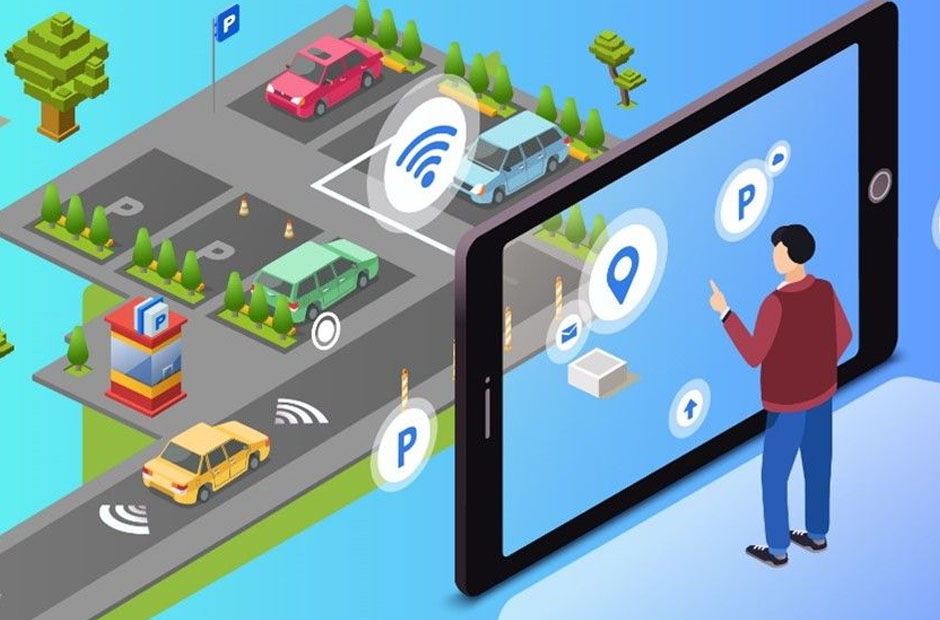
Smart parking systems represent a leap forward from the manual counting, paper tickets, and static pricing models of earlier decades. By leveraging interconnected sensors, license plate recognition cameras, and data dashboards, these platforms provide precise, real-time updates on available parking spaces. For drivers, this means far less time spent searching for open spots, which in turn leads to reduced frustration, improved traffic flow, and decreased greenhouse gas emissions. Urban planners and commercial parking operators can leverage historical and real-time data to optimize pricing, adjust permitted-use zones, and ensure accessibility for diverse vehicle types.
Role of AI and IoT in Parking Management
Artificial intelligence plays a pivotal role in unlocking the full capabilities of data-driven parking solutions. Predictive analytics powered by AI provides actionable forecasts of occupancy trends, helping inform strategies such as dynamic pricing and resource allocation. The integration of IoT devices ensures parking space status information is updated instantly, enabling rapid responses to unexpected surges in demand or changes in usage patterns. This synergy allows cities and private operators to better match parking supply with real-time demand while establishing transparent, data-supported management policies.
Real-World Implementations
Numerous cities and companies have set the benchmark for the successful deployment of these innovative parking systems. ParkMobile, for example, has turned to AI-powered analytics to help drivers quickly locate available parking by processing both real-time data feeds and extensive historical records. In 2025, ParkMobile rolled out a citywide dynamic pricing strategy that helped mitigate congestion during rush hours and improve per-space utilization. Other metropolitan areas, such as San Francisco and Barcelona, have adopted smart sensor networks and data platforms that integrate seamlessly with navigation and payment apps, further enhancing driver convenience and supporting public transport integration. These examples showcase the scalability of data-driven technology and its enduring benefits for both users and cities.
Benefits of Data-Driven Parking
The advantages of embracing data-driven parking management extend well beyond the convenience of finding a space. Reduced traffic congestion and idling lead to significant improvements in air quality and help cities align with climate action targets. For parking operators, granular demand data enables the implementation of flexible pricing models that balance revenue goals with consumer fairness. Real-time information on space availability, combined with mobile payment options, elevates the user experience and encourages compliance with parking regulations. Data-supported decision-making enables continuous improvement and adaptation to changing urban landscapes.
- Decreased Congestion:Drivers spend less time circling for parking, alleviating overall city traffic.
- Lower Emissions:Improved efficiency directly translates to fewer vehicle emissions.
- Increased Revenue:By implementing dynamic pricing, cities and lot operators can better match costs to demand.
- Enhanced User Experience:Integrated payment solutions and real-time status updates make parking hassle-free.
Challenges and Considerations
Despite the impressive progress, adopting data-driven parking systems is not without hurdles. Privacy concerns related to personal and vehicle data collection are paramount and require transparent policies and robust security practices. Upfront infrastructure costs for equipment installation, system integration, and staff training are considerable, which may present barriers for smaller municipalities or organizations. Ensuring that new technology is compatible with existing infrastructure, while maintaining system reliability, adds further complexity to implementation. Urban planners must continuously weigh these factors when considering large-scale rollouts of smart parking systems.
Future Trends in Parking Management
The future of parking management is closely intertwined with advances in related fields. The gradual adoption of autonomous vehicles will require adaptive spaces and infrastructure, while blockchain technology promises to bring new levels of transparency and security to parking transactions. Enhanced analytics tools will make it easier to visualize long-term occupancy trends, unlock actionable insights, and foster cross-departmental collaboration in urban planning. As cities become smarter, data-driven parking systems will play an increasingly important role in parceling out limited public space efficiently and equitably.
Conclusion
Data-driven parking solutions represent an essential step toward smarter and more sustainable urban environments. By integrating real-time analytics, AI, and IoT, cities are overcoming traditional challenges, maximizing value for residents, and reducing environmental impact. As adoption grows, these systems are poised to propel cities closer to a future defined by mobility, efficiency, and user-first design.