Key Takeaways
- Puzzles enhance cognitive functions, including memory, problem-solving, and attention to detail.
- They serve as effective stress relievers and mood boosters.
- Engaging in puzzles can strengthen social bonds and improve communication skills.
- Regular puzzle-solving may help delay cognitive decline in older adults.
Puzzle-solving is more than just a fun pastime—it’s an engaging activity that offers substantial benefits to people of all ages. Whether you prefer traditional jigsaw puzzles, brain-teasing crosswords, or intricate logic challenges, incorporating puzzles into your daily life can make a real difference in cognitive growth and social well-being. If you’re looking for a new way to keep your mind active, you can explore a wide variety of options on this website, which features an impressive selection of both classic and contemporary puzzle games perfect for every age group.
From improving memory and attention to elevating mood and fostering social connections, puzzles offer a uniquely holistic approach to mental well-being and personal growth. Their versatile nature means they’re just as helpful for older adults aiming to keep their minds sharp as they are for children learning to focus and problem-solve. With more screen-free entertainment options, puzzles have become a welcome alternative for families seeking quality time together and individuals seeking mindful relaxation.
Solving puzzles is also a powerful way to supplement lifelong learning and personal growth. By promoting goal-setting and perseverance, puzzles can help instill valuable life skills. Across generations, the emotional satisfaction of completing a challenge is undeniable—and best of all, it’s accessible to everyone with a curious spirit.
Throughout this article, discover how regular puzzle-solving can help you achieve greater cognitive health, emotional peace, and social fulfillment. Delve deeper to learn why introducing even a simple puzzle practice could be one of the most enjoyable and beneficial habits you start this year.
Boosting Cognitive Abilities
Puzzles are instrumental in enhancing cognitive processes, no matter your age. Activities like jigsaw puzzles require you to recall the shapes, colors, and overall composition of pieces, which exercises both short-term and long-term memory. Crosswords and Sudoku challenge your vocabulary, logic, and numerical skills, pushing you to think laterally and process information efficiently. Researchers have found that continued mental stimulation can enhance cognitive performance and support memory retention, ultimately contributing to sharper mental agility as one ages.
Enhancing Emotional Well-being
Solving puzzles promotes a sense of accomplishment that can greatly impact your mood. As you work towards completing a puzzle, your brain releases dopamine—a chemical linked to feelings of pleasure and satisfaction. This not only makes puzzle-solving an effective stress reliever but also encourages perseverance and focus. The mindful, immersive nature of puzzles can serve as an antidote to the fast-paced stressors of daily life, helping to quiet anxious thoughts and promote overall emotional well-being.
Fostering Social Connections
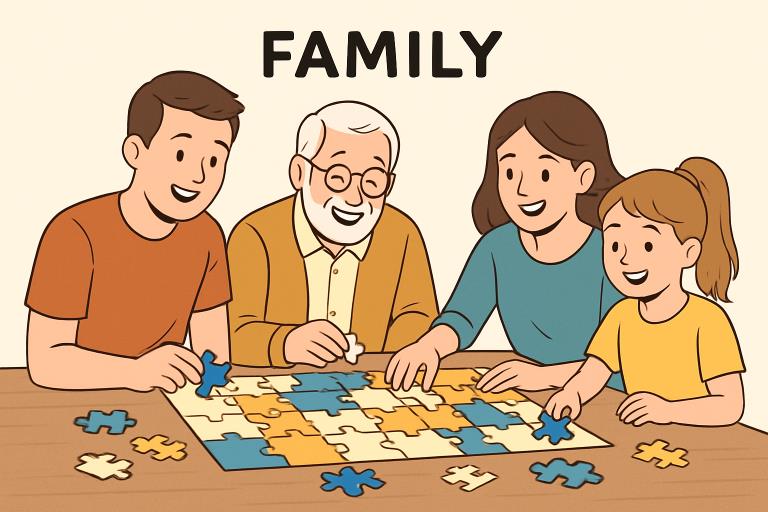
Puzzles are perfect for solo enjoyment but can be even more meaningful as a shared activity. Working on a challenging puzzle with friends or family encourages communication, teamwork, and patience. Collaboratively searching for solutions boosts a sense of camaraderie and strengthens social ties. Such shared experiences are particularly beneficial for building connections between generations, making puzzles a popular choice for family gatherings and group activities.
Delaying Cognitive Decline
One of the most powerful long-term benefits of puzzle-solving is its potential role in delaying cognitive decline. Studies suggest that mentally stimulating activities can help increase cognitive reserve, delaying the onset of dementia and related conditions in older adults. Regularly engaging in puzzles helps safeguard brain health by encouraging ongoing learning, memory use, and logical reasoning—key components of age-related cognitive resilience.
Improving Fine Motor Skills
Manipulating puzzle pieces—whether assembling a jigsaw or writing answers in a crossword—develops fine motor skills and hand-eye coordination. For children, these activities play a crucial role in physical development, while for adults, they help maintain dexterity and nimbleness. Regular practice keeps these skills sharp, supporting both daily tasks and hobbies that require precise movement.
Encouraging Patience and Perseverance
Puzzles require patience and the willingness to try new strategies after setbacks. The process of trial and error, when matching puzzle pieces or solving a challenging riddle, encourages resilience, determination, and an optimistic attitude toward problem-solving. Developing these skills through play can have a lasting positive effect on academic, professional, and personal life.
Providing Educational Value
Beyond entertainment, puzzles often integrate valuable educational elements. Crosswords expand vocabulary, Sudoku enhances numerical fluency, and logic puzzles foster critical thinking. For children, these activities reinforce classroom knowledge in a hands-on, engaging manner, while adults benefit from lifelong learning and intellectual curiosity fueled by challenging games.
Offering Screen-Free Entertainment
In a world dominated by digital distractions and constant screen time, puzzles offer an appealing alternative for mindful entertainment. Analog puzzle-solving offers a much-needed respite from technology, fosters present-moment awareness, and promotes mental refreshment without the risks associated with excessive device use. This offline engagement promotes family bonding, fosters creative thinking, and supports balanced well-being.
Whatever your age, making puzzles a part of your routine can yield lasting benefits for mind and spirit. The power of puzzles lies in their universal appeal—combining enjoyment, education, and well-being for everyone, everywhere.