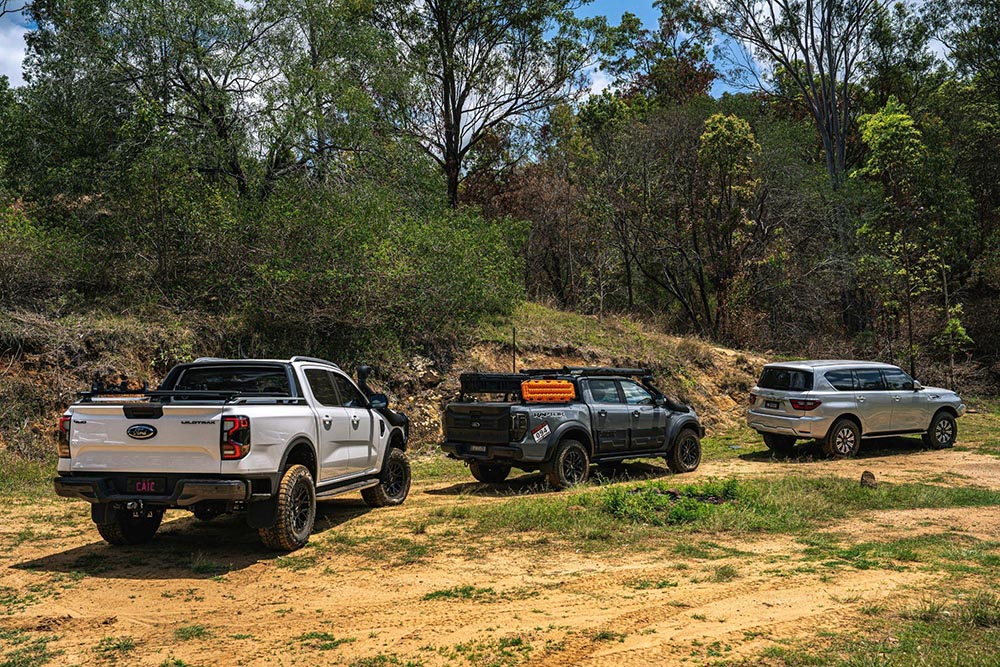
While your rig might be capable out of the box, preparing it for Australian off-road adventures requires a few smart upgrades to ensure you actually make it home in one piece. Choosing the right gear early on will save you plenty of time and money.
Protection Against Animal Strikes
Safety is the first priority when you leave the paved roads. A quality Ford Ranger bull bar is the foundation of any solid build because it provides vital protection against animal strikes. When you’re driving through the outback at dusk, a stray kangaroo can end your trip instantly if you don’t have that front-end protection. Beyond safety, it serves as a sturdy mounting point for other essentials like winches and driving lights.
Smart Protection and Clearance
Once the front end is sorted, you need to think about what is happening underneath. The factory suspension on most modern vehicles is tuned for comfort on city streets. Once you load up the canopy with a fridge, drawers, and recovery gear, that original suspension will likely sag.
Upgrading to a heavy-duty suspension kit gives you the extra clearance needed to crawl over rocks without scraping your belly. It also improves the way the vehicle handles the extra weight, making the drive much smoother on those long, corrugated dirt roads.
Protection should also extend to the side of your vehicle. Rock sliders or heavy-duty side steps are great for more than just a leg up into the cabin. They shield your door sills from protruding logs and rocks. If you misjudge a turn in a tight track, these bars take the hit so your bodywork doesn’t have to.
Recovery Essentials
Even the most experienced drivers get stuck eventually. Before you head out, you need to ensure you have rated recovery points. Many factory “tie down” points are not designed for the immense pressure of a snatch recovery. Installing rated points allows you to use a recovery strap safely. Pair this with a decent recovery kit that includes a snatch strap, bow shackles, and a damper blanket.
A winch is another fantastic investment if you plan on solo travel. It acts as your ultimate insurance policy. If there’s no one else around to give you a pull, a winch allows you to self-recover from mud or steep inclines.
Modern synthetic ropes are lightweight and easy to handle, which makes the whole process much safer for everyone involved. It’s the kind of tool you hope you never have to use, but you will be glad it’s there when you do.
Lighting the Way
The sun sets fast in the bush, and standard high beams often struggle to pierce the darkness of a dusty track. Adding a pair of LED driving lights or a sleek light bar to your roof or bull bar makes a world of difference. Proper lighting helps you spot hazards, wildlife, and track markers from a distance. This reduces eye strain during long night drives and keeps the mood high when you are trying to find that perfect campsite after dark.
Managing Your Air
One of the most important skills in off-roading is managing your tyre pressures. Dropping your PSI increases your footprint, which gives you better traction on sand and protects the tracks from damage. Of course, you need a way to get that air back in once you hit the tarmac again. A portable or mounted air compressor is a non-negotiable bit of kit. It allows you to adjust your tyres to suit the conditions, ensuring your rubber lasts longer and your ride stays comfortable.
While you’re looking at tyres, consider the tread pattern. If your vehicle came with highway terrains, switching to an All-Terrain (AT) tyre is a logical first step. These tyres have tougher sidewalls and a more aggressive pattern to grip loose surfaces, but they still behave well on the highway. It’s the best of both worlds for a daily driver that loves a weekend adventure.
Keeping It Cool and Organised
The Australian heat is legendary, and your vehicle works hard when climbing through soft sand or steep ranges. A snorkel is a brilliant addition for two reasons. First, it raises the air intake to prevent water from entering the engine during creek crossings. Second, it pulls cooler, cleaner air from a higher position, which is much better for your engine when you are following a convoy through a cloud of dust.
Inside the cabin, keeping things tidy makes the trip far more enjoyable. A set of rear drawers allows you to stash your tools, kitchen gear, and spares securely. It prevents items from flying around if you hit a bump and makes it easy to find what you need when it’s time to boil the billy. Staying organised means you spend less time digging through bags and more time enjoying the view.
Final Checks
Before you pull out of the driveway for that first big run, take the time to learn how your new mods work. Practice a recovery in a safe environment and get a feel for how the new suspension handles a full load. Every bit of gear you add should serve a purpose and make your journey safer or more comfortable.