Key Takeaways
- Energy-efficient roofing solutions contribute directly to lower utility bills and improved sustainability.
- Innovative materials and technologies minimize maintenance burdens and prolong roof life.
- Proper roof design improves indoor comfort and HVAC efficiency, resulting in cost savings.
- Sustainable designs offer both environmental and reputation benefits for forward-thinking businesses.
In today’s fast-paced business environment, every component of a commercial property impacts the bottom line. Forward-looking organizations recognize that their roof plays a vital role in operational success. Making informed decisions about commercial roofing can drive long-term cost savings, improve energy efficiency, reduce maintenance requirements, support sustainability efforts, and boost curb appeal. With advancements in roofing materials and technologies, the roof over your business is more than just protection; it is an opportunity to drive performance.
From energy-efficient options to smart systems, modern roofing upgrades are reshaping expectations around building functionality and environmental control. The right choice can significantly trim energy costs, extend HVAC system life, and even enhance your company’s reputation among customers and employees. These benefits make modern roofing investments a strategic element for any business seeking enhanced efficiency and future-ready operations.
Energy-Efficient Roofing Materials
Businesses that prioritize energy-efficient roofing materials often see swift, impressive returns. Cool roofing systems, for example, reflect sunlight and absorb less heat than traditional roofs, reducing strain on interior cooling systems and minimizing energy costs. According to data from the U.S. Department of Energy, cool roofs can reduce annual energy bills by up to 15 percent, depending on climate and building design. These savings can quickly offset installation costs and have a measurable impact on a property’s carbon footprint. Additionally, metal roofing stands out for its durability and high reflectivity, making it a top choice for enterprises aiming to minimize heat gain and improve long-term performance.
Well-chosen roofing materials do more than curb expenses. They can help companies qualify for sustainability certifications and tax incentives, reflecting a broader commitment to environmental stewardship. Businesses in regions with intense summer heat or significant sun exposure benefit immensely from these forward-thinking solutions, as reduced energy consumption eases the load on local grids and HVAC systems alike.
Technological Advancements in Roofing
The integration of advanced technology into roofing is transforming the commercial building landscape. Innovative tools like drone-based inspections enable safe, comprehensive evaluations, ensuring that potential issues such as leaks, insulation failures, or storm damage are detected and addressed before they become more costly problems. This not only safeguards the building but also minimizes operational disruptions, enhancing business continuity. Smart roofing systems, equipped with sensors and monitoring platforms, offer real-time performance data and early warnings for maintenance needs. Such proactive care is crucial for large commercial properties, where even minor leaks or inefficiencies can have significant financial consequences.
Building owners and facility managers are also turning to weather-adaptive systems that automatically adjust ventilation or moisture control in response to external conditions. These solutions increase longevity and reduce the total cost of ownership by ensuring optimal performance throughout the seasons.
Impact on HVAC Efficiency
A building’s roof is a major factor in determining how effectively its heating, ventilation, and air conditioning (HVAC) systems operate. High-quality insulation and well-ventilated roofing designs work together to keep interior conditions stable, reducing temperature swings and cooling demands. This coordination not only enhances occupant comfort but also significantly reduces wear and tear on HVAC equipment, resulting in additional operational savings and a smaller carbon footprint over time.
Key considerations for optimal HVAC efficiency include selecting reflective or light-colored roofing materials and incorporating adequate attic ventilation to expel excess heat. These features collectively help maintain balanced indoor environments and lower ongoing energy costs.
Sustainable Roofing Solutions
Sustainability is no longer a buzzword. It is a key driver for many modern businesses seeking to align their operations with eco-friendly values. Green roofing systems, featuring layers of vegetation atop waterproof barriers, not only insulate buildings but also absorb rainwater and filter pollutants. These living roofs can help businesses comply with environmental regulations and earn green construction certifications, making them especially appealing in urban areas where stormwater management and biodiversity are significant concerns.
Solar-integrated roofing is another growing trend. Solar panels or photovoltaic shingles transform a building’s rooftop into an energy-generating asset, reducing reliance on conventional power sources and further lowering utility costs. Many companies are leveraging such systems to achieve greater independence from volatile energy prices while actively reducing their greenhouse gas emissions.
Durability and Maintenance Considerations
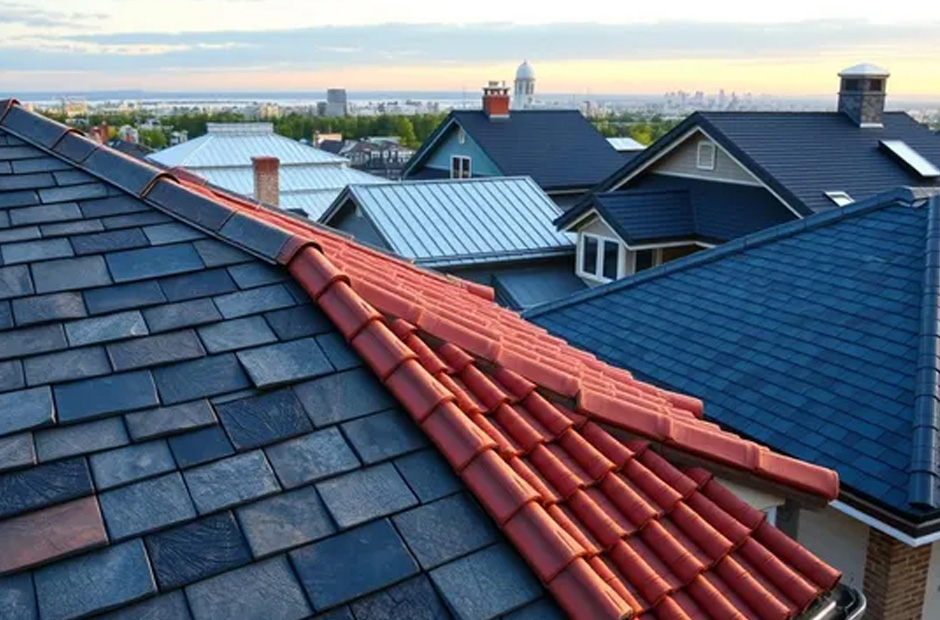
Investing in resilient roofing materials is a smart way to minimize future repair costs and disruptions. Metal, slate, and advanced synthetic materials can withstand the elements for decades, allowing businesses to focus on core operations rather than frequent repairs. Metal roofs, for example, can withstand high winds, fire, and pests, making them suitable for diverse climates and operational needs. Over time, fewer repairs not only save money but also keep workplace and facility operations running smoothly.
Enhancing Aesthetic Appeal
While performance is crucial, modern roofing options also offer significant cosmetic benefits. An attractive, professionally designed roof elevates the entire aesthetic of a commercial property, drawing positive attention from clients, investors, and the community. Custom colors, materials, and design features can help reinforce branding and showcase a commitment to quality, ultimately contributing to a positive perception and trusted reputation. An appealing exterior is especially important in competitive markets where first impressions can influence customer decisions.
Conclusion
Modern roofing solutions are transforming how businesses approach energy use, maintenance, and sustainability. By embracing advances in design, materials, and monitoring technologies, organizations gain significant cost advantages, improved building comfort, and heightened market appeal. The roof, once viewed simply as a form of shelter, now represents an integral business asset. Strategic investments in the right roofing choices yield meaningful, measurable benefits, making them essential for any operation committed to long-term efficiency and success.