Your basement provides extra living space, storage, and houses your basic systems, such as plumbing and electrical. When your basement is affected by water issues, you may experience severe structural damage and health hazards. Investing in basement waterproofing helps you protect your property. Here are a few frequently asked questions about basement waterproofing:
Why Is Basement Waterproofing Beneficial?
When you waterproof your basement, the primary benefit is that you prevent water from seeping into your home. Water problems in your basement are capable of damaging your walls and floors. During heavy rains or snowmelts, water tends to enter through cracks and gaps in the foundation of your home, causing severe structural damage.
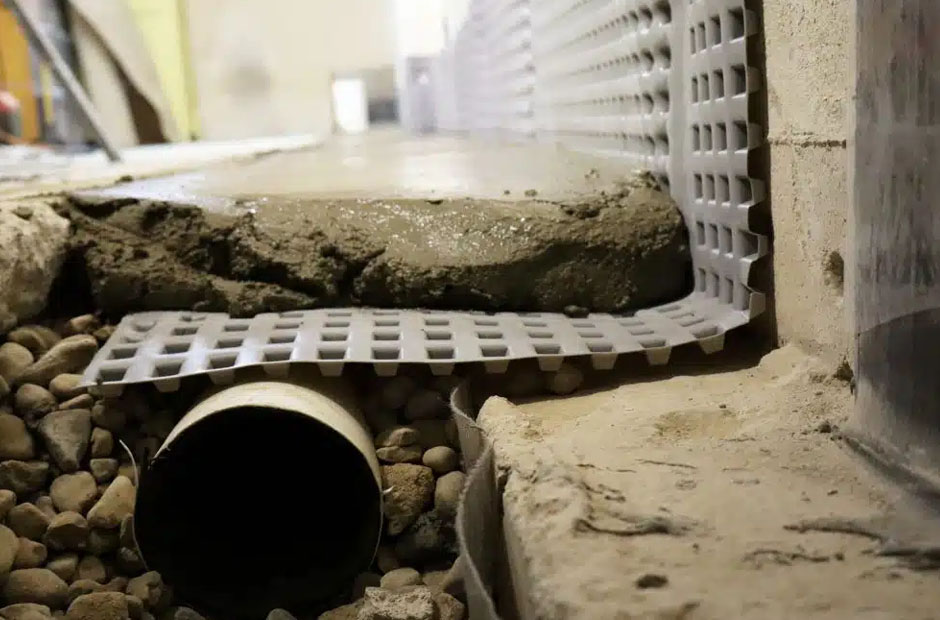
Installing basement waterproofing systems helps prevent this damage by keeping water out. They direct the water away from your home’s foundation, preventing it from penetrating and causing damage. This not only protects your basement but also helps maintain the structural integrity of your entire home.
What Are Signs That My Home Needs Waterproofing?
Consulting a waterproofing expert allows you to address basement challenges before they escalate. They evaluate the signs of water damage to determine if your basement needs waterproofing or crawl space encapsulation. Your basement may need waterproofing if you notice any of the following signs:
- Water seepage or leakage in your basement
- Dampness or moisture on the walls and floors
- Musty odors or mold growth
- Cracks in the foundation or walls
- Efflorescence, a white, powdery residue, on the walls and floors
Can Waterproofing Fix Existing Water Damage?
The effectiveness of waterproofing services depends on the severity of the damage. If the water damage is minimal and has only affected surface materials, such as drywall or flooring, then waterproofing will help. Sealing cracks and applying waterproof coatings will prevent future water intrusion and help protect your basement from further damage.
What Waterproofing Solutions Do You Offer?
Before you can fully protect your basement from water damage, understand the different waterproofing solutions that are available. This enables you to choose the ideal solution that is based on your specific needs. From interior to exterior solutions, an established waterproofing company can offer a variety of options to help you choose.
Interior waterproofing prevents your foundation from taking in moisture by directing water away. This is accomplished through installing a drainage system and sump pump to remove excess water that enters the basement. To seal out moisture, interior waterproofing may also involve applying sealants on floors.
Choose exterior waterproofing if you want to stop water from entering your foundation walls after it has been built. Exterior services include excavating around your home’s perimeter and applying a waterproof membrane. Crawl space encapsulation is an option if your home has a crawl space instead of a basement.
What Is the Role of a Sump Pump in Waterproofing?
Your sump pump helps keep your basement dry. If your foundation has been waterproofed properly, you may never have to use the sump pump. In cases of heavy rain or flooding, the sump pump acts as a defense against water entering your home.
A sump pump is installed in a basement inside a pit where excess water collects before being pumped away. When excess water enters this area, it triggers the sump pump to turn on and start removing the water to prevent it from rising and causing damage. Depending on your basement’s layout and sump pit, you can use either submersible or pedestal sump pumps.
Invest in Basement Waterproofing
When you have a basement issue like flooding, invest in a waterproofing system to address the underlying cause. Basement waterproofing is the solution for preventing water from entering your space and causing damage. Contact a professional waterproofing company to assess your basement and recommend the appropriate solution for your specific needs.