Key Takeaways
- Foundations are responsible for evenly distributing structural loads, preventing settlement, and instability.
- Slabs offer both a structural floor and a base that supports the finished building.
- The interaction between foundations and slabs is crucial for the long-term durability of construction projects.
- Innovative design and high-quality materials further bolster the performance of foundations and slabs.
When it comes to constructing safe and durable buildings, understanding how the base elements of a structure interact is essential. The ground beneath a building plays a crucial role in its overall stability, and even minor miscalculations during the early stages can lead to long-term issues, such as cracks, uneven settlement, or structural weaknesses. Engineers and builders carefully analyze soil conditions, weight distribution, and load-bearing capacities to ensure that the structure above can withstand both daily use and environmental stresses. Attending to these details from the outset helps prevent costly repairs and enhances the building’s longevity.
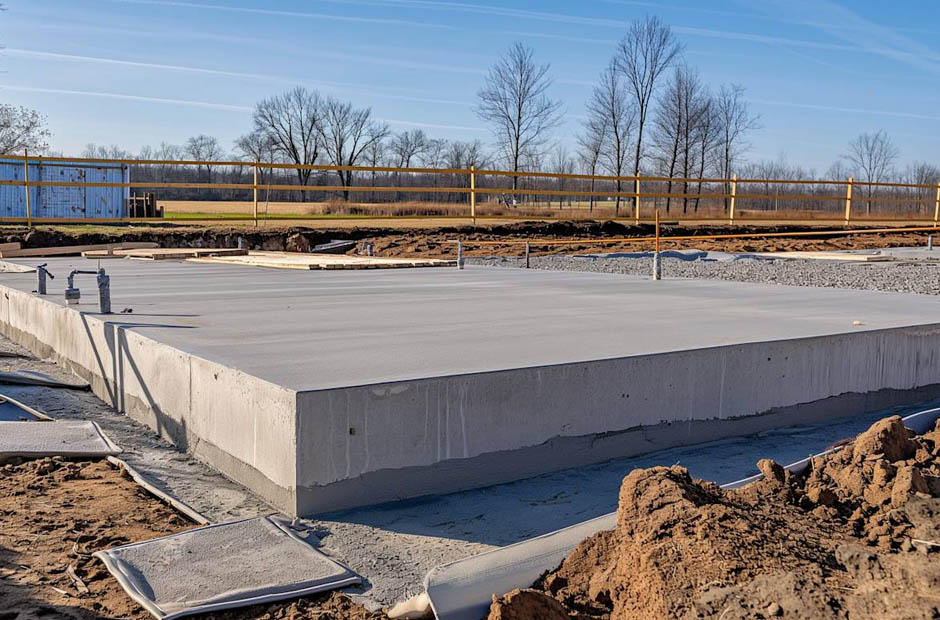
A key part of this process involves integrating building foundations and slabs. Foundations provide the primary support, distributing weight evenly into the ground, while slabs serve as the base surface for floors and additional structural components. Ensuring that these two elements are properly connected and aligned is essential for maintaining structural stability and creating a safe, durable environment for occupants.
The Role of Foundations
Foundations form the literal base upon which a structure stands. Their primary function is to distribute the building’s weight evenly to the ground, thereby preventing uneven settlement, shifting, or even catastrophic collapse. Proper foundations keep structures level and firmly anchored, safeguarding them against forces like wind, water, and earthquakes.
The Importance of Slabs
Slabs, typically made of reinforced concrete, act as the structural planes of floors and sometimes ceilings. They provide a level surface for construction and living while also distributing loads from above to the foundation below. More than just a simple floor, slabs define the rigidity and strength of the building’s lower sections. The building’s size and purpose determine its exact thickness and reinforcement; proper installation significantly affects its performance and longevity.
Interaction Between Foundations and Slabs
The relationship between foundations and slabs is essential for a building’s ability to withstand environmental pressures and settling. The slab provides support to the foundation, which relies on the slab for effective load distribution. In modern construction, these components are often integrated to reduce the risks of cracks, water damage, and instability, especially in regions prone to soil movement or seismic activity. This integration enhances the overall structural integrity of the building.
Common Foundation and Slab Types
There are several common types of foundation and slab systems, each suited to specific needs, climates, or soil conditions:
- Slab-on-Grade:This type has the concrete slab poured directly at ground level. It’s common in warmer climates and for structures that do not require a basement.
- T-Shaped Foundations:Popular in colder regions, these feature footings below the frost line, with the slab poured after the foundation walls are constructed.
- Pier-and-Beam:Utilized in areas with expansive soils, these foundations use piers to support beams and slabs above ground, thereby reducing the risks associated with shifting earth.
Proper selection and installation of the right foundation and slab combination are crucial to the success of any building project.
Factors Affecting Foundation and Slab Performance
Several factors can influence how well foundations and slabs perform over time:
- Soil Conditions:The type and stability of the soil can significantly impact performance. Some soils expand and contract in response to changes in moisture, which can compromise the stability of slabs.
- Moisture Levels:Water from rain, irrigation, or drainage issues can affect both slabs and foundations, causing them to crack or heave.
- Environmental Forces:Climate shifts, such as drought or excessive rainfall, can cause the soil beneath the building to settle or swell.
Innovations in Foundation and Slab Design
Recent advancements in foundation and slab construction include the use of fiber-reinforced and self-healing concrete, which reduces cracking and enhances the longevity of these structures. Smart concrete with embedded sensors enables real-time monitoring and early detection of structural issues. Moreover, green building practices, such as enhanced insulation and vapor barriers, are increasingly adopted, emphasizing energy efficiency and durability.
Conclusion
The interplay between foundations and slabs is central to creating durable and resilient buildings. By recognizing their distinct roles and how they complement each other, and by staying up-to-date with advances in construction practices, homeowners, builders, and architects can ensure structures that are safe, stable, and built to last. Careful planning, thorough site preparation, and the use of high-quality materials provide the most vigorous defense against the various stresses and challenges a building may encounter over its lifespan. This thoughtful approach not only enhances structural integrity but also contributes to the long-term value and reliability of any construction project.