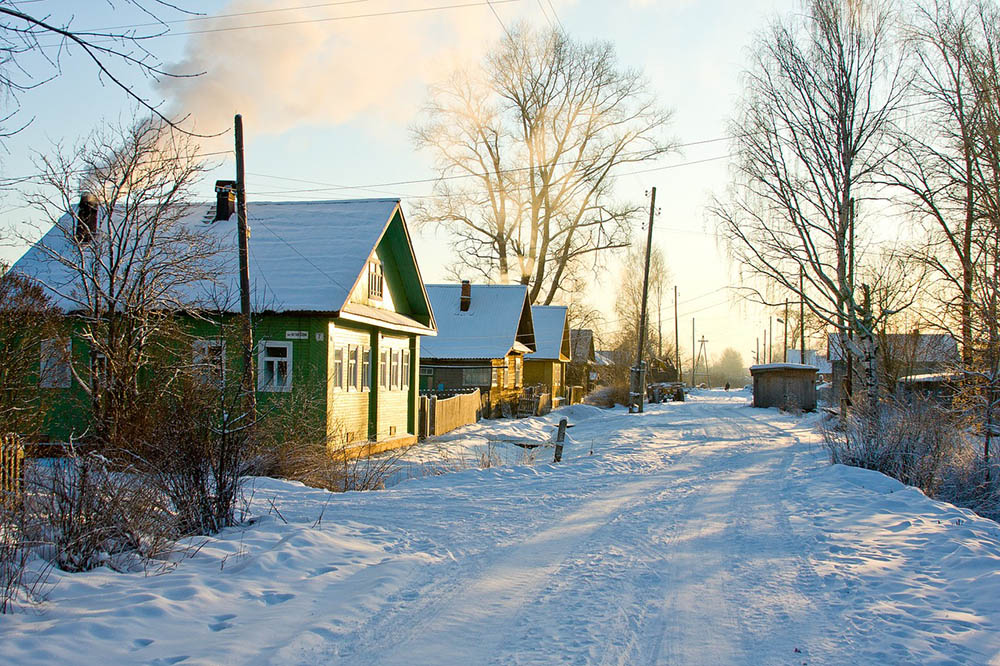
Winter maintenance becomes a priority once temperatures start to shift and the season brings steadier use of heating systems. Homeowners look for ways to keep their living spaces comfortable while avoiding preventable repairs, and careful preparation often delivers the strongest results.
Many communities have noticed more frequent swings between mild afternoons and sudden cold fronts, and the same pattern has become familiar to residents in Springtown, Texas. These quick drops in temperature place extra strain on roofs, plumbing, and HVAC systems, which makes early planning especially worthwhile. A thoughtful approach sets the tone for a safer, more efficient home as winter settles in.
Protecting the Home Exterior
A strong exterior serves as the home’s shield during winter, so roof and gutter inspections matter long before the cold arrives. Roofs often develop worn shingles or weakened flashing after months of heat, rain, and wind. Small flaws tend to go unnoticed until freezing conditions make them far worse, so checking early helps prevent leaks and moisture buildup.
Walls and siding should also be assessed for cracks or peeling areas. These openings allow drafts to enter and make heating systems work harder than necessary. A few repairs at this stage strengthen the overall structure and keep outside conditions from affecting indoor comfort.
Maintaining a Dependable Heating System
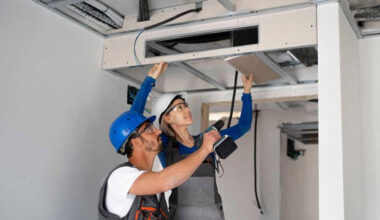
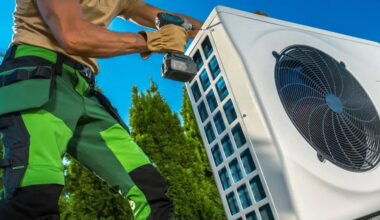
A dependable heating system provides consistent warmth throughout winter, making a professional inspection before the coldest months a smart choice. Technicians examine key components, remove buildup that can hinder performance, and ensure airflow remains steady.
With winter approaching, homeowners want reassurance that their system is handled by someone skilled. Choosing the right professional provides that confidence while supporting long-term performance. When searching for a reliable HVAC contractor in Springtown, TX, look for proven experience, proper certifications, and a strong reputation for dependable service. The right contractor helps protect your investment while keeping your home comfortable through every cold stretch.
Sealing Air Leaks and Drafts
Drafts create uneven temperatures throughout a home and place added strain on heating systems. These gaps usually appear around windows, doors, or attic entry points, and many homeowners feel the difference once they seal them. Weatherstripping or caulk works well for small openings and provides an immediate improvement in comfort. Regular checks help catch new gaps that form as a house settles over time.
Attic insulation deserves the same attention. Adequate insulation slows heat loss and supports a consistent indoor environment. It leads to fewer temperature swings and a more efficient use of energy throughout the winter.
Preparing Plumbing for Freezing Conditions
Plumbing becomes more vulnerable as temperatures fall, especially in areas that lack proper insulation. Exposed pipes in garages, crawl spaces, or exterior walls face the highest risk. Insulation sleeves help protect these sections and keep water flowing freely during cold spells. Checking for minor leaks is also worthwhile because small issues tend to grow once temperatures drop.
Every homeowner benefits from knowing the main water shut-off point. Quick action can limit damage if a pipe ever freezes or bursts, and understanding this simple step prevents bigger headaches later.
Inspecting and Cleaning the Fireplace or Chimney
Fireplaces add comfort during winter, yet safe operation depends on a clean chimney. Soot and residue build up over time and interfere with proper ventilation. A professional chimney sweep removes debris and looks for structural concerns that could create hazards once regular use begins. Signs such as lingering smoke, unusual odors, or visible buildup indicate that an inspection is overdue.
A well-maintained fireplace burns more efficiently and provides steady warmth without unnecessary risk. Regular cleaning prepares the system for frequent use and helps families enjoy a more comfortable winter season.
Checking Smoke Alarms and Carbon Monoxide Detectors
Heating systems work longer hours during winter, which raises the importance of reliable safety devices. Smoke alarms and carbon monoxide detectors offer essential protection, so testing them before the season gets underway is a simple yet meaningful step. Batteries lose strength over time, and some devices reach the end of their lifespan without showing obvious signs. A quick check helps ensure that every room has proper coverage.
Many homeowners also review the placement of these devices during their winter preparation. Alarms positioned too far from living areas or sleeping spaces may not provide the fastest warning. A few adjustments create stronger protection and give families greater peace of mind throughout the colder months.
Improving Home Energy Efficiency
Energy efficiency becomes especially valuable during winter because heating makes up a large portion of seasonal energy use. Simple upgrades offer noticeable improvements. LED bulbs reduce electrical consumption, while programmable thermostats help maintain steadier indoor temperatures without constant adjustments. These changes contribute to a more comfortable home and ease the strain on heating systems.
Insulation also plays a major role in winter efficiency. Many homes benefit from additional insulation in attics or walls, which helps hold warm air inside for longer periods. A well-insulated home feels more stable during temperature drops and requires less energy to stay warm.
Preparing Outdoor Areas and Landscaping
Outdoor spaces face their own challenges during winter, and early preparation helps prevent avoidable damage. Tree branches that appear weak or overextended may break more easily during storms, so trimming them ahead of time protects roofing, vehicles, and outdoor structures. Patio furniture and decor also need attention to avoid weather-related wear. Storing or covering items keeps them in better condition for the following season.
Irrigation systems and outdoor faucets should be checked before temperatures fall. Water left in hoses or exposed lines can freeze, which may lead to cracks or bursts. Draining and disconnecting these components protects them through the winter and makes spring setup much easier.
Winter maintenance supports comfort, efficiency, and long-term protection for any home. A thoughtful approach reduces the likelihood of disruptions during the coldest months and keeps essential systems running smoothly. Homeowners who take time to prepare the exterior, heating system, plumbing, and safety devices notice the benefits once colder weather settles in.
Each step contributes to a home that feels more secure and better equipped to handle seasonal challenges. With consistent care, winter becomes far easier to manage and far less stressful for everyone in the household.