Key Takeaways
- Educational diagnosticians play a crucial role in assessing and supporting students with special needs.
- A master’s degree provides advanced knowledge and skills for practical student evaluation and intervention.
- The demand for qualified educational diagnosticians is growing, offering promising career prospects.
Understanding the Role of an Educational Diagnostician
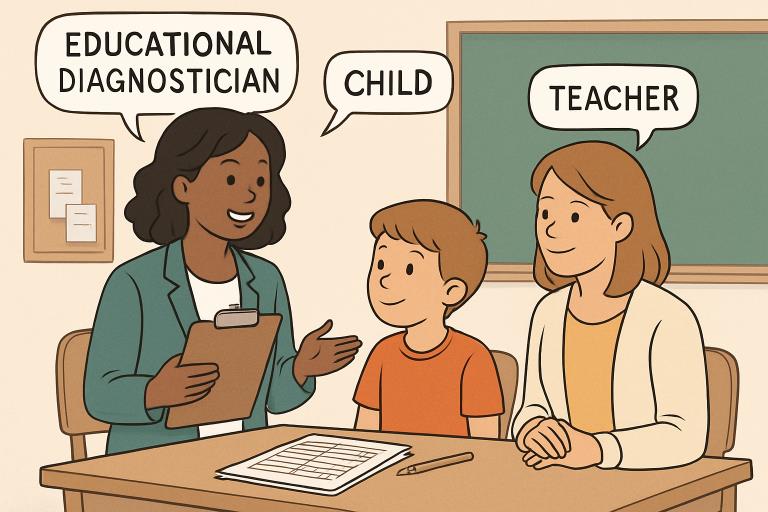
Educational diagnosticians are vital members of educational teams, particularly when it comes to serving students with learning differences. These professionals conduct comprehensive assessments, interpret academic and cognitive test results, and serve as key collaborators in the development of individualized education programs (IEPs). Their contributions ensure that students identified with disabilities can access the tailored educational strategies required for their academic and social success. If you’re seeking a meaningful role with the opportunity to impact students’ lives directly, earning an educational diagnostician degree is a strategic next step.
Educational diagnosticians play a crucial role in schools by identifying learning barriers and connecting students with appropriate services. They conduct informed evaluations that ensure compliance with special education laws and collaborate with families to enhance student engagement and growth. Their expertise enables teachers to understand learning difficulties and advocate for necessary classroom modifications. Additionally, they lead data-driven meetings and act as liaisons between parents, teachers, and external providers, balancing the challenges of data synthesis with effective communication.
Benefits of Earning a Master’s Degree in This Field
Pursuing a master’s degree in educational diagnostician studies brings a wealth of advantages to current professionals in education or those seeking a specialized path:
- Advanced Knowledge:Courses in these programs delve deeply into learning disabilities, intervention strategies, and the ethical obligations associated with psychological assessment and special education placement, ensuring that graduates are well-equipped to address the diverse needs of students.
- Professional Certification:Most accredited master’s programs include preparation for state-required educational diagnostician certification, a prerequisite for official practice in many states. Certification enables professionals to conduct assessments and lead IEP development in a manner that is both legally compliant and effective.
- Career Advancement:With an advanced degree, educators can transition into roles such as diagnostician, department leadership, or district-level positions. The specialized understanding gained during graduate study also supports advocacy for inclusion and systemic improvements in special education.
Many master’s programs tailor their coursework to address the diverse and growing needs of today’s student populations, encouraging graduates to become leaders in creating equitable and supportive school environments.
Growing Demand for Educational Diagnosticians
The numbers underscore an apparent and growing demand for professionals in this field. According to the latest statistics from the National Center for Education Statistics, approximately 15% of U.S. public school students received special education services during the 2022-2023 academic year—a figure that continues to rise as awareness of learning differences and disabilities increases. This growing identification means an urgent need for more qualified diagnosticians capable of providing legally sound, research-based assessments.
In addition to robust job prospects in public and private school systems, those with a master’s in educational diagnostician studies can find opportunities in private practice, educational consulting, and advocacy organizations. The job market reflects both the importance and impact of the role as schools seek to fulfill federal mandates and provide meaningful supports for all learners.
Program Highlights and Curriculum
Master’s programs in Educational Diagnostician Studies at Northwest Missouri State University provide a rigorous and specialized curriculum designed to prepare graduates for excellence in practice. Core courses and focus areas often include:
- Assessment and evaluation techniques for cognitive, academic, behavioral, and social-emotional development.
- Legal and ethical considerations in special education and disability law.
- Design and implementation of individualized education programs (IEPs).
- Best practices in collaborating with educators and families to support student learning and well-being.
These programs equip future diagnosticians with the skills to serve as both expert assessors and advocates, a combination highly valued by schools and educational organizations.
Career Opportunities and Salary Expectations
With a master’s in educational diagnostician studies, graduates can choose from various impactful roles, including:
- Educational Diagnostician
- Special Education Coordinator
- Instructional Coach
According to data compiled by Payscale, professionals in this field report a median annual salary of roughly $69,900. Geographic region, years of experience, and level of responsibility can all influence earning potential, but demand for these experts continues to drive both salaries and opportunities higher. The U.S. Bureau of Labor Statistics also notes that overall employment for related roles is expected to remain steady or grow, particularly as student diversity and service needs evolve.
Choosing the Right Program
When researching graduate programs at Northwest Missouri State University, prospective students should prioritize key factors that will support both immediate learning and long-term success. Accreditation is essential to ensure the program meets state and national standards for certification. Look for a curriculum that blends theoretical learning with hands-on practicum experiences, taught by experienced faculty with direct ties to the field. Flexibility may be a crucial consideration, especially for working educators. Programs offered online or with part-time scheduling options are designed to accommodate busy professionals while delivering comprehensive, state-of-the-art training.
Conclusion
Pursuing a master’s degree in educational diagnostician studies provides the specialized skills, deep knowledge, and credentials necessary to make a tangible difference in students’ lives. As demand for diagnosticians increases, this advanced degree not only opens doors to meaningful, well-compensated positions but also empowers graduates to lead, advocate, and innovate in the evolving field of special education.