Key Takeaways
- Illustrated educational books captivate children’s interest and support memory, learning, and creativity.
- Rich visuals break down complex ideas, fostering cultural empathy and emotional intelligence.
- Interactive and diverse illustrations help children become more engaged and open-minded learners.
- Visual literacy, nurtured through illustrations, is increasingly vital in today’s image-driven world.
Visual Engagement Captures Attention
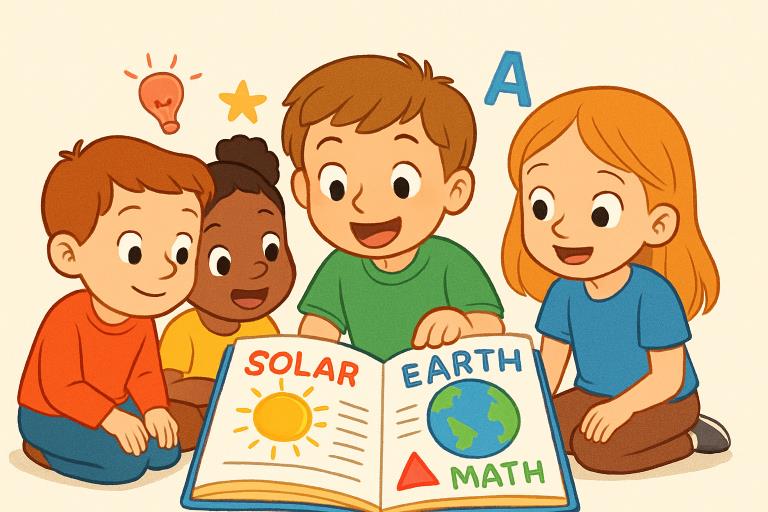
Children have a natural attraction to vibrant colors and lively scenes, which makes illustrated educational books a powerful tool for igniting their curiosity. Unlike digital distractions, these books offer a tangible, visually stimulating environment that encourages children to delve deeper into stories and concepts. Rich illustrations turn each page into an adventure, transforming routine reading into an exploration of new worlds and ideas, boosting concentration, and fostering a love for learning. Hands-on engagement makes young readers more eager to discover what’s next. If you’re looking for an inspiring way to captivate and educate young minds, check out the How to Become President children’s book.
The deliberate use of engaging visuals not only attracts attention but also establishes the mood, reinforces the story’s themes, and makes the reading experience both enjoyable and memorable. Just as importantly, these visuals create a tactile experience, which is shown to increase children’s focus and comprehension compared to passive screen time. Through this combination of physical and mental engagement, illustrated books set the stage for more profound, more meaningful learning moments from the very start.
Simplifying Complex Concepts Through Art
Illustrated educational books simplify complex ideas, using art to make even sophisticated subjects accessible to young readers. Children can instantly grasp the life cycle of a butterfly, the process of photosynthesis, or the sound of a jazz band just by following vibrant pictures across the page. Art not only clarifies context and action—it helps children form connections and inferences that text alone can’t always provide. For example, seeing illustrations of families celebrating different traditions can deepen understanding of cultural concepts, making abstract ideas real and relatable.
This visual storytelling enables children to learn at their own pace, revisit complex ideas, and reinforce lessons in a way that’s both effective and enjoyable. Art acts as a bridge, transforming complex narratives or scientific phenomena into easy-to-understand visual representations, enabling children to retain and recall information more effectively.
Enhancing Comprehension and Retention
Studies widely confirm that children remember and apply knowledge better when visual cues anchor it. Illustrated books harness this by pairing new vocabulary and ideas with clear, memorable images. This association enhances both reading comprehension and the ability to recall information, which is particularly important for early learners as they develop foundational language and cognitive skills. The result is a multisensory approach that supports long-term educational growth, helping children become active participants in the learning process.
Fostering Imagination and Creativity
Vivid imagery in children’s books inspires them to go beyond the story, flexing their own creative muscles. Children are not only readers—they become storytellers and artists, often replicating scenes or inventing their own adventures sparked by illustrations. Engaging with imaginative artwork helps children build crucial problem-solving and critical-thinking skills, while nurturing their self-confidence and sense of possibility. According to a New York Times article, illustrated stories have a profound impact on the development of creative problem-solving abilities throughout childhood.
Interactive Elements Encourage Active Participation
Today’s illustrated educational books often feature interactive elements that transform passive reading into a hands-on experience. Lift-the-flap components, tactile textures, and hidden illustrations prompt children to touch, explore, and play as they learn. These interactive surprises motivate young readers to participate in their own education actively, consolidating new information through real-world, sensory engagement. As children guess what’s behind a flap or feel different textures, they make meaningful connections between movement, thought, and learning outcomes.
Celebrating Cultural Diversity Through Illustrations
Illustrated books also provide windows into the diverse cultures, traditions, and lifestyles that make up our world. By depicting characters from diverse backgrounds, languages, and beliefs, these books foster empathy, understanding, and an appreciation for cultural uniqueness. Young readers gain exposure to a multitude of experiences, preparing them for the realities of multicultural societies and global citizenship. As noted by Scholastic, diverse representation in children’s literature is essential for building open-mindedness and respect for others.
Building Emotional Connections with Characters
Through expressive art, illustrated books allow children to connect with characters on a deeper emotional level. Illustrations vividly communicate feelings—joy, sadness, fear, excitement—that words alone might not capture for early readers. Identifying with a character’s journey or struggles helps children develop emotional intelligence and empathy, equipping them with the social awareness necessary to interpret the emotions of others. These books do more than entertain; they foster the skills needed for healthy relationships and lifelong learning.
Supporting Visual Literacy Development
In a world where images are everywhere, the skill of interpreting and analyzing visual information is increasingly important. Illustrated educational books introduce visual literacy early, teaching children how to read pictures, understand symbolism, and synthesize graphical information alongside text. This ability prepares children for academic tasks and empowers them to confidently navigate an increasingly visual society, both on and offline.