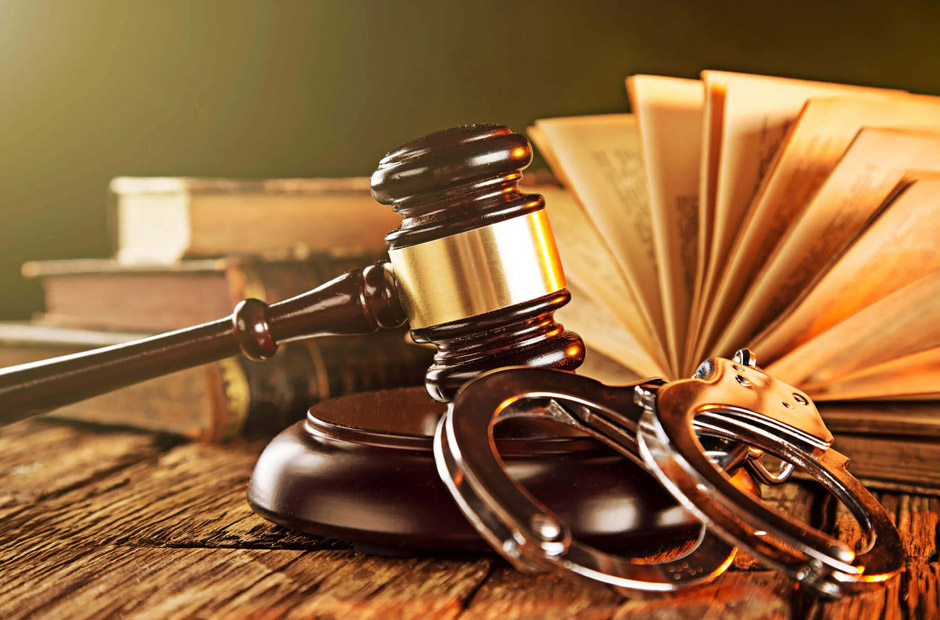
Individuals charged with a crime must navigate the legal system, which involves specific procedures and rules. First-time defendants may have limited knowledge of these processes. A criminal defense attorney will provide guidance on legal procedures and make sure that the individual’s rights are observed. Here is more information on why a skilled criminal defense attorney is necessary for your case:
1. Comprehensive Legal Guidance
In criminal law, early legal advice is necessary. When a person is accused of a crime, consulting an attorney at the initial stages helps make sure that their rights are protected. Actions taken during questioning or preliminary hearings affect the outcome of a case; individuals may not realize that statements they make can be used as evidence in court. Retaining a qualified criminal defense attorney after arrest allows for legal guidance during interactions with law enforcement and reduces the risk of self-incrimination. An attorney also verifies that procedures comply with legal standards.
2. Criminal Law Complexity
Representing oneself in a criminal case is challenging due to the procedural and technical requirements of the legal system. Each case involves unique facts, legal standards, and potential defenses, which makes assessment by an experienced defense attorney valuable. Attorneys also communicate and negotiate with prosecutors, which includes discussing plea agreements, reduced charges, or alternative sentencing options.
Criminal defense lawyers are trained to locate and interpret laws and regulations that may be difficult for non-lawyers to access. They can also collect and review evidence, question witnesses, and identify information relevant to the defense. The complexity of criminal law and court procedures makes professional legal guidance necessary in effectively managing a case.
3. Evidence Requires Review
Prosecutors present evidence to support the charges in a criminal case. The methods used to collect evidence are key because improperly obtained evidence may be challenged in court. A defense attorney reviews police reports, examines the crime scene when possible, evaluates the evidence gathered by the prosecution, and evaluates additional information relevant to the case.
A thorough review of the evidence helps the attorney assess the facts and possible defense strategies. If evidence appears to have been obtained in violation of legal procedures, the attorney can file motions to exclude it from the case. Professional legal analysis and evidence review assist in identifying potential defenses and in preparing the case for trial or negotiation.
4. Customized Legal Defense
Different criminal charges involve distinct legal elements and standards. The type of offense, such as theft, assault, or other crimes, affects the legal requirements and potential defenses. A criminal defense attorney evaluates the facts of the case and selects strategies appropriate to the specific charge and circumstances; defense approaches in criminal cases vary depending on the evidence and legal standards. An attorney may enter a not guilty plea or pursue defenses tailored to the situation, such as self-defense or lack of intent. Reviewing multiple defense strategies allows the attorney to plan an informed approach to trial or negotiations with the prosecution.
5. Juvenile Case Handling
Criminal cases involving minors follow different legal procedures from cases involving adults. Minors have specific rights and protections under juvenile law, which differ from those in the adult system. A defense attorney with experience in juvenile law will explain these procedures, outline available legal options, and provide representation throughout the case. An attorney familiar with juvenile court processes can make sure that filings and advocacy comply with applicable rules. In some cases, legal counsel may seek to have a minor’s case handled in juvenile court rather than adult court. Attorneys also present arguments related to appropriate sentencing options that take into account the minor’s age, circumstances, and rehabilitation potential.
Choose the Right Criminal Defense Attorney
Understanding a defense attorney’s role clarifies the purpose of legal representation. Effective defense combines legal knowledge, procedural awareness, and clear communication. Contact a qualified criminal defense attorney today to better understand your rights and legal options.