A strong home relies on a secure roof that protects it from rain, wind, and heat. When damage shows up, homeowners often must choose between fixing small problems or planning a full replacement. This choice can affect comfort, safety, and long-term value, so it is important to think it through carefully says gulfincomeproperties.com, a leading property management company.
Many people delay a full change because repairs feel quicker and cheaper at first. Still, there comes a point when residential roof replacement offers a smarter path than patching the same spots again and again. This article explains clear signs, cost factors, and long-term benefits that help homeowners decide which option fits their situation best.
Signs That Repairs No Longer Solve the Problem
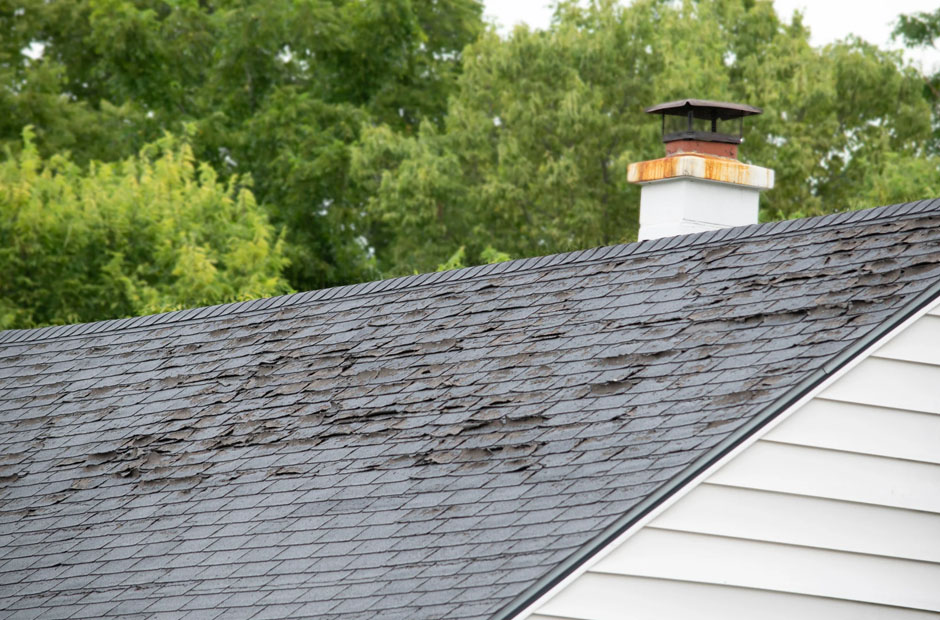
Small fixes work well for minor damage, yet repeated trouble signals a deeper issue. When leaks return after every storm, the structure above may have reached the end of its useful life. Cracked shingles, soft spots, or visible sagging often point to widespread wear beneath the surface.
Water stains on ceilings or walls also deserve attention. These marks show moisture travel that simple patches cannot stop. At this stage, a full change restores protection and reduces the stress of constant maintenance.
Age and Material Wear as Decision Drivers
Every material has a lifespan, and time takes its toll even with good care. Asphalt shingles, wood shakes, and other coverings lose strength as they face sun, rain, and temperature shifts. Once the system nears its expected age limit, repairs turn into short-term solutions.
Older structures also lack modern design improvements. New systems offer better sealing, stronger layers, and improved airflow. Choosing a full update brings peace of mind and reduces the chance of sudden failure.
Consider Cost Over the Long Run
Many homeowners focus on the price of a single fix, yet total spending matters more. Frequent service calls, labor charges, and materials add up over time. A fresh installation may seem costly upfront, but it can lower expenses across many years.
Consider these financial factors:
- Repeated fixes increase labor fees and material waste.
- Ongoing leaks may damage insulation, walls, and personal items.
- A new system raises property value and attracts buyers.
- Modern designs reduce energy loss and help manage utility bills.
A clear cost review often shows that a one-time upgrade brings better value than endless patchwork.
Comfort and Energy Performance Improvements
A worn surface allows heat to escape in winter and enter during summer. This issue forces heating and cooling systems to work harder. A full update seals gaps and improves insulation support, which helps maintain steady indoor temperatures.
Better airflow also protects the structure from moisture buildup. Fresh materials reflect sunlight more effectively and support a healthier living space. These gains extend beyond appearance and touch daily comfort.
Long-Term Safety and Peace of Mind
Safety plays a major role in replacing a roof. Weak areas above the home can lead to sudden collapse during storms or heavy snowfall. A full change removes hidden risks and restores strength across the entire surface.
Homeowners who prefer residential roof replacement enjoy confidence during harsh weather. They avoid constant worry about the next leak or repair call. This sense of security proves valuable for families who want stability and reliability from their homes.
Choosing a full upgrade requires a clear view of condition, cost, and future needs. When damage spreads, age shows, and expenses rise, a complete change delivers stronger protection and lasting comfort. A well-planned decision supports safety, value, and peace of mind for many years ahead.