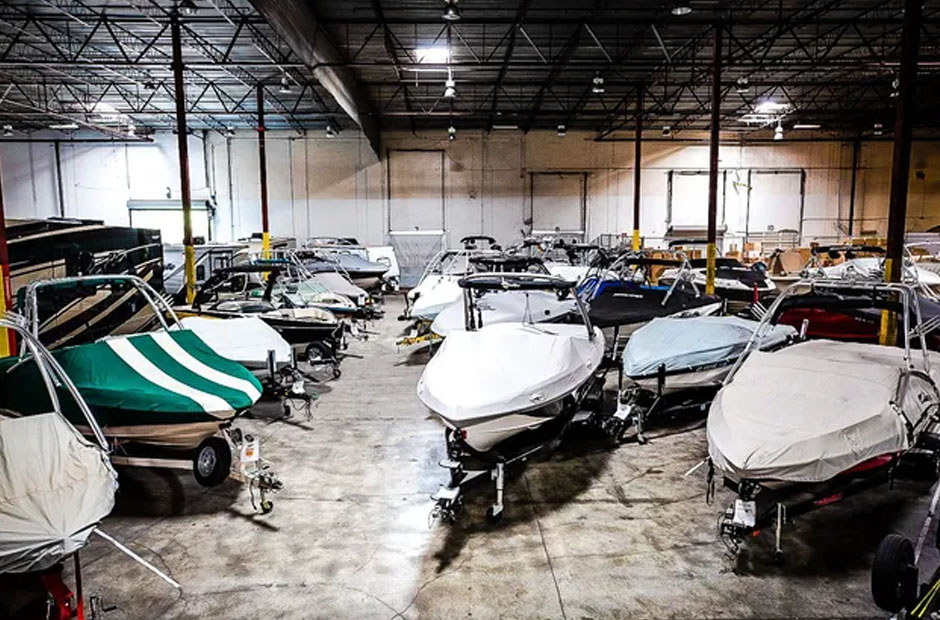
Boat storage facilities are designed to keep watercraft secure when they are not in use. You can use them for short periods between weekends or for the long-term off-season. Here is what you need to know about seasonal boat storage:
Engine Winterization
Engine winterization involves several steps to protect the engine’s internal components from rust, corrosion, and potential damage from freezing temperatures. You need to change the oil and filter to remove impurities. Spraying the engine’s interior cylinders with fogging oil helps lubricate and protect them from rust. Fill the fuel tank and add a marine-grade stabilizer to prevent fuel degradation and condensation. Flushing the cooling system with fresh water and refilling it with antifreeze prevents ice from cracking the engine block. This applies to boats with inboard motors. Before storage, remove drive belts to prevent cracking from constant tension, and disconnect the battery. You can store the battery in a separate cool, dry place to prevent drainage and corrosion.
Boat Cleaning
Cleaning vessels before placing them in boat storage facilities helps prevent salt or grime from causing damage to the paint. Applying wax and buffing after cleaning provides additional protection for the paint during storage. Proper care before seasonal storage helps prevent the growth of damaging microorganisms on surfaces like the hull, deck, and carpets. It prevents existing stains from setting on leather or carpet while the boat is in long-term storage.
Proper cleaning helps protect upholstery and internal components from precipitation. While cleaning, you can inspect the boat for damage, like cracks and loose fittings. Items such as electronics and cushions are susceptible to damage from moisture or freezing if left for extended periods, so get a cover or remove them.
Boat Covering
Covering your boat before seasonal storage offers the following advantages:
- Protection from the elements
- Preserves the finish
- Keeps the boat clean
- Adds a layer of security
Covering your boat protects it from the elements by acting as a shield against precipitation and debris. A quality cover prevents rain, snow, and ice from getting into the boat. Any standing water can freeze and expand, potentially causing damage to certain components. The sun’s UV rays will affect the boat’s paint and seats over time. A covering helps protect these surfaces and preserve the boat’s appearance. By keeping the exterior dry, the covering helps prevent moisture buildup, which can lead to foul odors caused by biological growth inside the boat. This preventative step helps prevent repairs when the next season arrives.
Storage Types
Facilities offer different boat storage options to suit varying needs. These include indoor, outdoor, and covered boat storage. An indoor boat storage unit provides the most protection from weather and pests. Indoor storage units are mainly drive-up units that function like a garage. Some indoor facilities offer climate control, which can protect electronics and upholstery from humidity and extreme temperatures.
Covered boat storage is an outdoor option where the boat is parked under a roofed structure. It provides protection from the sun and precipitation, although the boat is in an open-air setting. Covered spaces can accommodate larger boats that might not fit inside standard indoor self-storage units.
With outdoor boat storage, the boat is parked in a designated outdoor parking stall. Outdoor lots handle larger vessels such as wakeboard boats with towers. You can easily retrieve your boat when ready to take it out to the water.
Boat Lubrication
Before seasonal storage begins, it’s key to take care of all lubrication tasks so your boat’s components stay functional and don’t deteriorate during the off-season. Greasing every fitting is a simple step, but it reduces oxidation and corrosion, especially in humid storage environments. You should also lubricate the steering system along with any related control mechanisms, and this provides smooth, reliable operation when the boating season finally returns. When you apply a light coat of lubrication to the engine’s exterior, you create a moisture-displacing film; this added layer protects vulnerable surfaces from rust even if the boat sits unused for months.
Explore Boat Storage Facilities
Reliable boat storage facilities provide a range of amenities to simplify the process of parking your boat each time. You can drive up to the units, and they are wide enough to accommodate your boat trailer. Contact a reputable provider of storage to learn more about their services and features.