A furnace is responsible for generating warm air throughout the living space. It pulls cool indoor air for heating, then a blower pushes it out for distribution into different areas. Here is information on what you need to know about furnace installation:
System Sizing
Furnaces are available in different sizes to match a home’s heating requirements. Technicians assess factors such as the layout of the building, insulation levels, ceiling heights, and the number of windows to determine the appropriate unit. Open-concept spaces distribute heat differently than homes with smaller, enclosed rooms, which affects the furnace’s performance. Proper sizing helps the system deliver consistent warmth throughout the living space without unnecessary strain.
Insulation plays a key role in controlling heat loss. Well-insulated homes retain heat more effectively, reducing the workload on the furnace. Heating professionals evaluate insulation and other building characteristics to calculate the correct heating load, allowing them to recommend a system that maintains comfortable indoor temperatures efficiently.
Old Equipment Removal
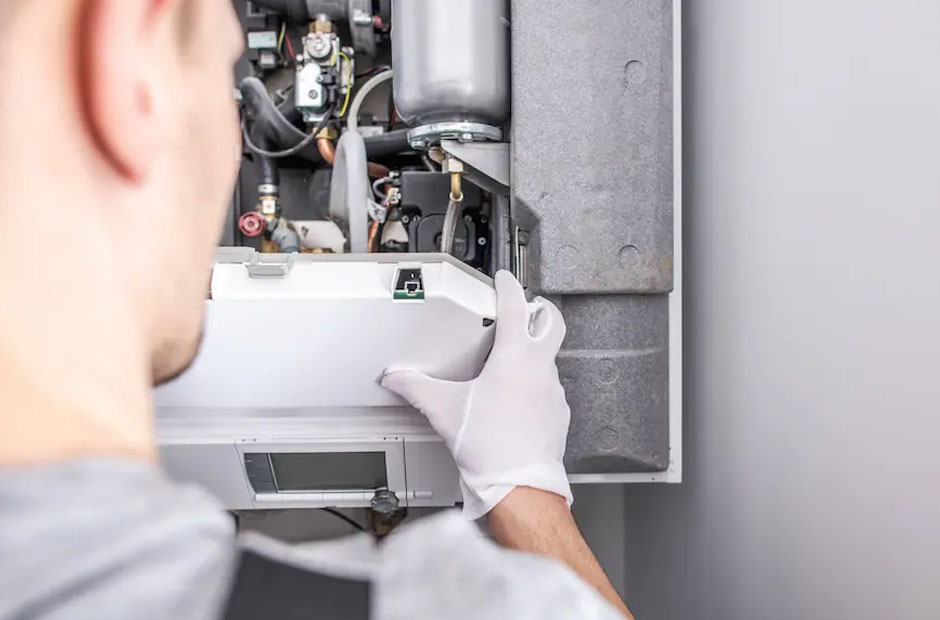
Installers remove and dispose of the old furnace during the installation process. They handle the disconnection of vents, electrical wiring, and gas lines from the existing unit before removal. Clearing out the old system provides space for the new furnace and allows technicians to inspect the area for dirt, dust, corrosion, or damage that could affect performance. Older furnaces can develop issues over time, including heat exchanger cracks that may pose carbon monoxide risks and reduce energy efficiency. Replacing the old unit with a modern system improves safety, enhances airflow, supports better indoor air quality with updated filtration components, and supports reliable heating for the home.
Utility Connection
Utility connection involves linking the new furnace to the home’s power sources and distribution systems. Technicians connect the following aspects:
- Gas supply
- Electrical power
- Exhaust system
For gas furnaces, technicians connect the unit to the home’s natural gas line. They assess the unit’s gas line capacity needs before securing and sealing the connections. The furnace needs an electrical connection to power the blower motor, the control board, and safety components. Professionals assess the existing venting infrastructure during the initial inspection. Proper installation of the venting system helps remove dangerous exhaust gases from the home. They check the vent pipe and chimney connection to enhance the unit’s functionality.
Furnaces produce water through condensation during operation. The installation process includes setting up a drainage system to funnel this water away from the unit. Optional accessories, such as humidifiers and air filtration systems, are connected if needed. The humidifiers introduce moisture into the warm air circulating throughout the home to alleviate discomfort caused by dry air.
System Testing
Technicians test the system by powering up the furnace and running through its full heating cycle. They assess whether it starts without issues, responds correctly to thermostat settings, and heats the home as expected. Professionals measure the air flow through the supply and return vents to assess even heat distribution. Air flow measurement helps identify potential blockages or energy loss in the distribution channels.
For gas furnaces, professionals use gauges to measure and adjust the pressure. They assess the electronic and safety controls, including limit switches and safety shut-off systems, to prevent overheating. Measuring proper voltage and current in the electrical connections prevents malfunctions or fire hazards. Technicians perform a combustion analysis to measure gas composition and determine the efficiency of the system.
Thermostat Calibration
Furnace installation experts perform thermostat calibration to enhance the accuracy of the sensor’s temperature readings. The correct settings help eliminate hot spots or cold spots in your home. An accurately calibrated thermostat allows the system to operate only when needed. Optimized operation leads to lower energy consumption and improved system efficiency. By preventing the system from cycling on and off too frequently, calibration reduces wear and tear on the furnace’s components. The process synchronizes the thermostat’s commands with the furnace system to enhance proper communication and performance.
Learn More About Furnace Installation
Technicians conduct a homeowner walkthrough to explain the furnace’s operation and demonstrate startup procedures. They review system features and show how to program the thermostat or adjust temperatures. Homeowners gain a better understanding of how to operate the system efficiently and safely. Contact a trusted heating and cooling provider today to schedule service or learn more about furnace installation.