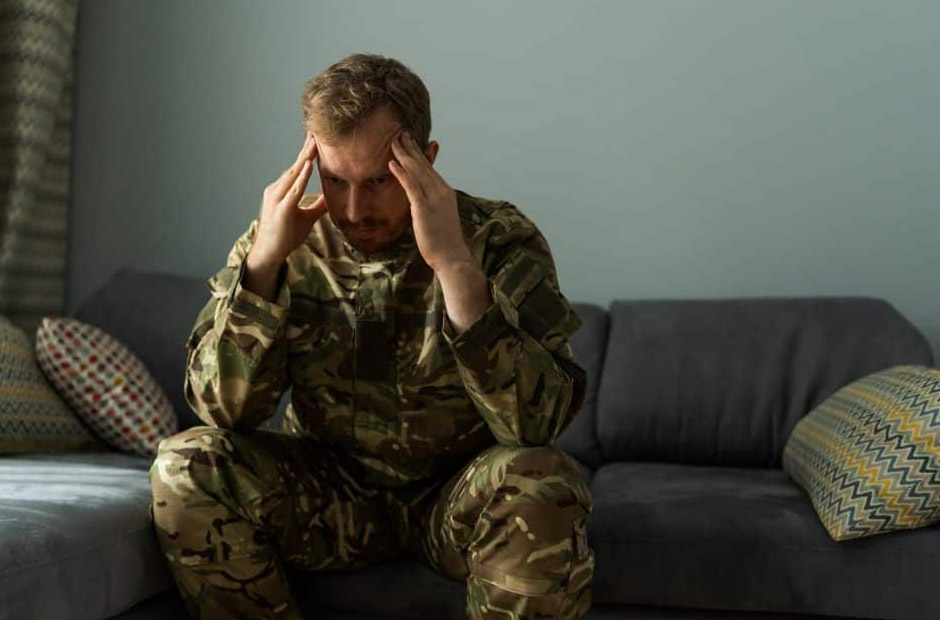
If nights feel challenging, you are not alone. Many people living with PTSD notice that bedtime can be one of the most difficult times. The body wants to rest, but you might still feel “on” or unable to relax. At Horizon Health, we support people exploring ptsd natural therapy, helping them understand not just what to do, but how it helps the body feel safe. One of the simplest ways to start improving sleep is by looking at what happens right before bed both the habits you keep and the things that might accidentally upset you.
There is no single routine that works for everyone. The goal is to create a night that feels safer, calmer, and more predictable. Often, the most effective changes come from removing habits that unintentionally keep your body in “survival mode” rather than adding complicated steps.
Why The Hour Before Bed Matters
The last hour before sleep has a huge effect on how well you rest. During this time, your brain is still picking up signals from everything around you. Light, sound, food, stress, and conversations all send messages that your body reads as either “safe” or “threatening.” For people living with PTSD, these signals can feel much stronger. What seems like a small thing during the day can feel overwhelming when the house gets quiet at night.
PTSD can make nights harder because memories and physical tension often show up when there are no distractions. When your body finally slows down, you might feel exposed or uneasy. Lying still can make you feel vulnerable, and your mind might start “scanning” for trouble. This is why gentle bedtime routines work better than strict rules. Avoiding certain triggers in the hour before bed can help your body stop feeling so jumpy and start winding down naturally.
Avoid Heavy Meals And Sugar Close To Bed
Eating before bed affects both your stomach and your sleep. Heavy meals can make you feel uncomfortable, bloated, or too hot, while sugar can give you an energy spike followed by a crash that wakes you up in the middle of the night. Certain foods can also cause heartburn, which keeps your body from relaxing. Common culprits include large dinners, sugary snacks, spicy foods, and greasy meals.
Eating lighter meals earlier in the evening helps your body settle. A comfortable body tells your brain that it is okay to rest. This is a big part of ptsd natural therapy, which focuses on calming the body and reducing that “always-on” feeling at night.
Avoid Alcohol As A Sleep Tool
Alcohol might seem to help because it relaxes your muscles and makes you sleepy at first. However, it stops you from getting the deep, restorative sleep that is important for your mood and recovery. For people with PTSD, this can lead to vivid dreams, waking up in the night, or feeling more anxious the next day because your body never truly rested.
Even if alcohol helps you drift off, it usually makes the overall quality of your sleep worse. In natural health, we generally suggest avoiding it because it upsets the body’s natural chemistry that controls sleep, making your nights less refreshing.
Avoid “Doom Scrolling” And Intense Content
Phones and screens can act like little anxiety machines at night. The bright light tells your brain it is still daytime, while reading stressful news or watching intense shows keeps your mind alert and worried. This can make you feel more guarded, making it harder to fall asleep or stay asleep.
Practical steps include putting your phone away for the last part of the night, turning off alerts, or staying away from heavy topics. These steps help your body realize it is safe to let go of the day.
Avoid Late Night Caffeine And “Sneaky” Stimulants
Most people know caffeine can keep you awake, but other things often go unnoticed. Pre-workout drinks, energy drinks, strong teas, and even some supplements can keep you feeling “wired.” Caffeine can stay in your system for 6 to 12 hours, meaning even an afternoon coffee might still be affecting you at bedtime.
For people with PTSD, managing caffeine is very important. Being careful about when you have stimulants can prevent your body from feeling over-energized and help you listen to your natural sleep signals.
Avoid Overworking And High-Stress Tasks Late At Night
Even if it feels like you’re getting things done, finishing work or planning a busy tomorrow late at night tells your body the day isn’t over yet. This kind of mental activity keeps you in “work mode,” making it very hard to switch off.
A calmer bedtime routine includes easy, grounding activities like a warm shower, light stretching, or listening to steady, familiar sounds. These activities help your body move out of “alert mode” and into a restful state.
Avoid Sudden Silence If Silence Feels Unsafe
While some people need total quiet, others especially those with PTSD might feel uneasy when it is too still. This can make you feel more sensitive to small noises or make you feel like you need to keep checking your surroundings.
For these people, gentle background sounds like a fan, soft rain, or a calm podcast can create a sense of safety. The goal isn’t to entertain your brain, but to provide a steady, predictable sound that helps you feel covered and comfortable.
How Natural Therapies Support Better Nights
At Horizon Health, our approach is about supporting the body so sleep becomes easier, rather than trying to force it. PTSD affects your stress levels and how your body handles emotions. Natural therapies aim to settle these systems so nights feel less scary.
This might include herbal support, balancing your body’s stress responses, releasing physical tension, and creating a routine that works for you. Often, the best results come from small habit changes and strategies that are easy to do even on your hardest nights.
By knowing what to avoid, you take back some control and build a foundation for feeling better overall.
A Gentle Way To Start Tonight
Start with just one change. You can manage to move your phone to another room, swap a sugary snack for something lighter, or turn off the TV a bit earlier. Small shifts create the sense of safety that your body is looking for.
Some results happen quickly, like falling asleep a few minutes faster. Others take time, but keeping track of these changes helps you see that you are making progress. For those in QLD, Horizon Health can provide personal, kind guidance to help make your sleep feel calmer and safer.