The Year-Round Workload: Why Florida ACs Tire Out Faster
Sun-soaked pavements, warm nights and dense humidity—great for beach days, terrible for cooling equipment. Air conditioners function 24/7 in Florida. Compressors, blower motors, capacitors, and contactors work virtually continuously due to high duty cycles. Due to such unrelenting running, lifespans drop from 15 years up north to 8–12 here.
That marathon implies the evaporator coil cools and dehumidifies the air at home. Any slight inefficiency is exacerbated by busy condensation drains and rapid filter clogging. For Cape Coral and Boca Raton residents, a “minor” issue can grow quickly—especially in summer—if the system can’t rest.
Coastal Physics: How Salt, Heat, and Humidity Attack Your System
Along the coast, the air is salty and humid. On uncoated metals and hardware, outdoor condenser cabinets and coil fins experience slow-motion rust. Fin surfaces can generate salt bridges, and dissimilar metals attract galvanic corrosion, which is subtle but costly since it reduces performance and durability.
With Florida’s regular thunderstorms and power fluctuations, electrical components are stressed. High humidity makes coils stay wet longer, drain pans and lines run continuously, and any cleanliness compromise promotes biofilm or mould. Boca Raton’s Atlantic breeze and Cape Coral’s canal-side salt air agree—environmental pressure is the plot.
Red Flags You Can Spot Before a Breakdown
When systems work this hard, early clues matter. Common signs include:
- Weak airflow that hints at a clogged filter, duct restriction, or a tired blower.
- Unfamiliar sounds—grinding, squealing, rattling—pointing to worn bearings, loose panels, or failing motors.
- Musty odors that suggest microbial growth; sharp, acrid smells that warn of electrical issues.
- Rapid on/off cycling that signals thermostat miscommunication, improper refrigerant charge, or overheating.
- Warm air when you’re calling for cool, often tied to low refrigerant, bad valves, or compressor trouble.
Add a few Florida-specific tells: indoor humidity that won’t drop, sweating supply vents, ice forming on refrigerant lines, and sudden jumps in utility bills. If you catch these early, you dodge the heat-blasted emergency.
Why Calling a Pro Beats DIY in South Florida
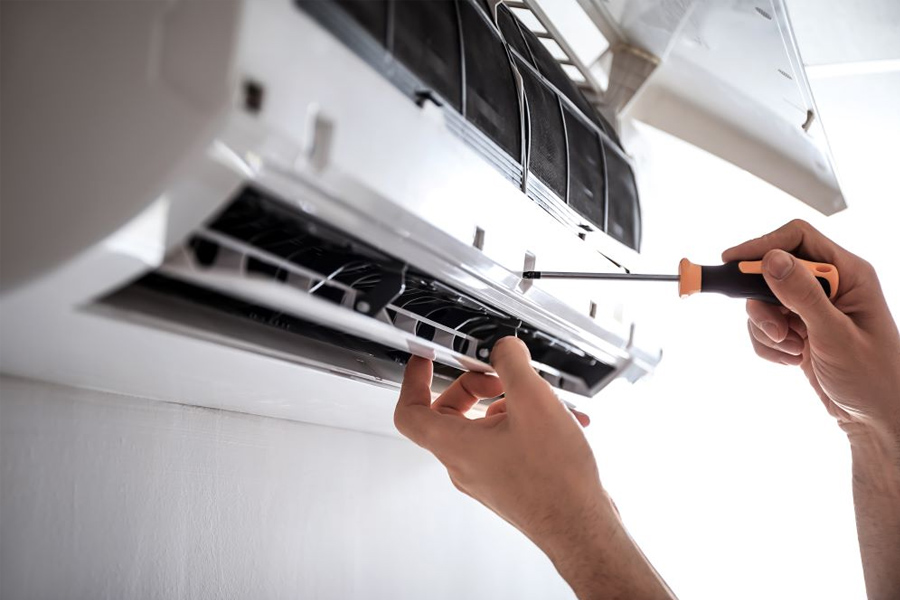
HVAC technicians carry tools and training tailored to systems that run hard and long. They measure static pressure in ducts, dial in superheat and subcooling for proper refrigerant charge, detect leaks with precision, and test electrical integrity under load. Professional service also protects warranties and ensures safe handling of refrigerants and sharp, high-voltage components.
In coastal zones, techs know to look for corrosion behind panels, inspect coil coatings, and evaluate whether salt exposure is outpacing maintenance. Good diagnostics prevent guesswork; smart repairs restore efficiency, not just function.
Maintenance That Matters Between Service Calls
Small habits make a big difference in Florida’s climate. Replace standard filters every 30–90 days and higher-MERV pleated filters every three to six months, adjusting for pets and pollen. Keep three feet of clearance around outdoor units—trim shrubs, clear mulch, and gently remove debris so the system can breathe. Watch your bills; if usage hasn’t changed but costs climb, performance is slipping.
Once a year, schedule a spring tune-up: refrigerant check, coil inspection and cleaning, drain line flush, electrical tightening, and airflow verification. Preventive care catches weak parts before peak heat exposes them.
Energy, Comfort, and Air Health: The Payoff of Proper Care
An efficiently repaired and tuned system does more with less, shaving kilowatt-hours while keeping temperatures steady and humidity in check. Lower energy bills are the headline; quieter operation and fewer hot spots are the supporting cast. Indoors, cleaner coils and proper ventilation cut down on contaminants and mold risk, making air feel lighter, not swampy.
Beyond comfort, consistent maintenance extends equipment life and reduces the odds of mid-summer replacement. In regions where AC is as essential as running water, that reliability is worth more than it sounds.
Cape Coral vs. Boca Raton: Local Nuances Worth Knowing
Cape Coral’s canal grid magnifies salt exposure, so outdoor units near water face faster metal fatigue and fin corrosion. Boca Raton’s Atlantic air, high-rise shading, and dense landscaping bring their own airflow challenges, with humidity that stubbornly clings all day and well into the evening. Both cities see brutally warm shoulder seasons, so tune-ups aren’t just a formality—they’re insurance.
Homes with variable-speed compressors and ECM blowers generally handle humidity better than single-stage systems, but they still need precise setup and clean drainage to deliver their promise. Ductwork integrity matters as much as the box outside; leaks push hot, wet air where it doesn’t belong, undermining even the best equipment.
Timing Is Everything: When to Schedule and What to Expect
Spring is the sweet spot for service—before heat and storms spike demand. If summer symptoms crop up, calling early beats waiting until your system quits on a Saturday afternoon. Expect a thorough check: refrigerant levels and pressures, temperature split across the coil, condensate flow, electrical connections and capacitors under load, fan operation, and a look at duct static pressure. You should leave with a clear picture of performance now and what might need attention before fall.
FAQ
How often should I change my AC filter in Florida?
Every 30–90 days for standard filters, and every three to six months for high-MERV pleated filters, adjusting for pets and indoor air quality.
Why does my AC short cycle on hot afternoons?
Short cycling often points to thermostat issues, improper refrigerant charge, or overheating components pushed by extreme heat and humidity.
Is warm air from the vents a refrigerant problem?
It can be, but warm air also comes from compressor failure, stuck valves, or airflow issues, so a proper diagnostic is essential.
Do coastal homes need different AC maintenance?
Yes—salt accelerates corrosion, so coils, cabinets, and fasteners need closer inspection and more frequent cleaning.
What’s the typical AC lifespan in Florida?
With heavy use and coastal exposure, many systems last 8–12 years, shorter than in cooler, drier regions.
Should I run my fan on “auto” or “on”?
“Auto” is best for most homes; “on” can raise indoor humidity by re-evaporating moisture off the coil when the compressor isn’t running.
Are surge protectors worth it for AC units?
They help guard sensitive components against Florida’s frequent power fluctuations and storm-related spikes.
Why are my utility bills rising even though the thermostat is set the same?
Rising bills usually point to lost efficiency from dirty coils, duct leaks, failing parts, or incorrect refrigerant charge.