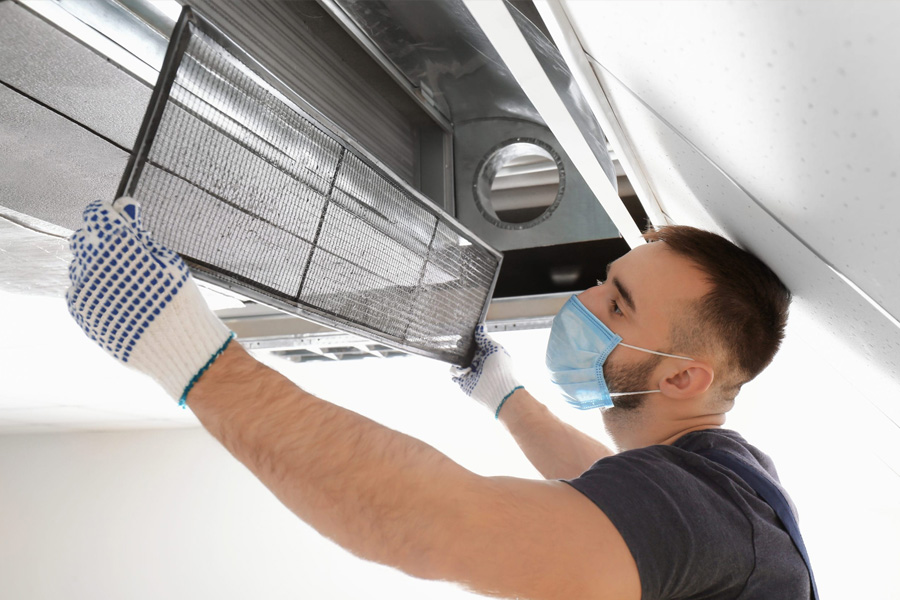
The House’s Hidden Lungs
If your HVAC system is the heart of your home, your ductwork is the lungs, quietly delivering conditioned air daily. Dust, dander, and other particles build in those ducts and ride in your airflow. Buildup makes air difficult to circulate, inconsistent temperatures, and poor indoor air quality. Cleaning the ducts regularly prevents your HVAC from overworking to execute a basic job. Clean ducts provide cleaner air, more consistent comfort, and a less energy-intensive system that delivers more.
Efficiency Starts in the Ducts
Think of duct cleaning as removing roadblocks from your air’s daily commute. When dust and particles narrow those pathways, the blower has to push harder, spiking energy use and putting extra miles on fans and motors. Clean ducts restore smooth airflow, the kind that lets warm or cool air glide into living spaces without resistance. You’ll feel the difference in fewer hot-and-cold spots and faster temperature recovery after you adjust the thermostat. With friction out of the picture, your HVAC can operate at its designed capacity rather than fighting against invisible clogs.
Air Quality and Everyday Health
What’s inside your ducts doesn’t stay inside your ducts. Each cycle pulls settled particles into circulation—dust, pet dander, pollen, and, in damp conditions, mold spores. For sensitive lungs, that repeat exposure can mean more sneezing, more wheezing, and more irritation. Cleaning removes the gunk that fuels those flare-ups and helps erase the stale or musty notes that sometimes drift in from the vents. Pairing a thorough duct cleaning with a high-quality, correctly sized air filter locks in the gains by catching what tries to re-enter. The result is air that feels lighter, smells fresher, and supports a calmer, healthier daily rhythm.
Energy Use and Your Utility Bill
Restricted airflow is energy waste, plain and simple. When ducts are dirty, the system compensates with longer run times and harder pushes, drawing more electricity to produce the same comfort. Once you clear the obstructions, your HVAC can reach set temperatures faster and cycle off sooner. That efficiency shows up in measured savings on your utility bill, month after month. It’s also good for the planet: less energy burned to heat and cool the same space is sustainability in action, with no sacrifice in coziness.
Moisture, Mold, and Microbes
Ductwork is unpredictable by moisture. Cool air crossing warm, humid zones can cause condensation, especially in weak or damaged insulation. Dust as food creates a mould and bacteria-friendly environment. Professional duct cleaners remove organic waste that bacteria colonies feed on and provide targeted antimicrobial treatments where growth has occurred. Cleaning and drying ducts eliminates odours and prevents spores from entering your home’s air. Preventing rather than fixing is smarter and cheaper.
Protecting Your HVAC’s Moving Parts
Your HVAC is a connected ecosystem. When ducts choke up, that strain travels back to the blower motor, coils, and heat exchangers. Dust that slips past filters can settle on sensitive surfaces, undermining heat transfer and forcing equipment to work hotter and longer. Routine duct cleaning blocks that domino effect by keeping debris from ever reaching those components. Reduced strain means fewer service calls, quieter operation, and an extended lifespan for the system you rely on in every season. Preventive care isn’t flashy, but it’s the kind of maintenance that pays you back daily.
Odors and the Comfort Factor
Your air sometimes has that slight “old attic” smell? It often indicates ducting moisture and particles. The air from your vents should smell like nothing after cleaning because pet hair, dust, and the invisible film that builds up over years are removed. Besides freshness, clean ducts distribute air uniformly, balancing room temperatures. Without continual nudges, your thermostat becomes a set-it-and-forget-it tool and stops keeping bedrooms cold and living rooms warm.
What Professional Cleaning Looks Like
A skilled expert inspects ducts, leaks, static pressure, and excessive accumulation. Agitation tools loosen material and high-efficiency vacuums gather it, preventing particulates from spreading. Moisture or microbial activity may require specialised treatments and insulating solutions. The visit usually ends with a filter update and airflow balance comments to ensure the clean ducts function with your system.
Smart Timing and Routine Maintenance
Regular maintenance makes duct cleaning sparkle. Many houses benefit from annual inspections and as-needed cleaning, depending on pets, renovations, area dust levels, and system frequency. Schedule in spring or autumn so experts can prepare the system for heavy-duty summer cooling or winter heating and discover leaks and insulation problems before they invite moisture or waste energy. With clean ducts and filters, your HVAC won’t surprise you mid-season or raise your electricity bill.
Balanced Airflow, Better Living
When ductwork is clean, ripples occur immediately. Heat-up faster, runs quieter, and air that “breathes” rather than blasts. It glides to make subtle modifications by not grinding. Dust will decrease, rooms will align in temperature, and the place will seem more restful—especially at night. This behind-the-scenes improvement supports daily life, not simply thermostat adjustments.
FAQ
How often should ducts be cleaned?
Most homes benefit from an inspection every year and cleaning on an as-needed basis, typically every 3–5 years.
Will duct cleaning lower my energy bills?
Yes, by restoring airflow, your system runs shorter cycles and uses less electricity to reach set temperatures.
Can duct cleaning help with allergies?
It can, especially when paired with proper filtration, because cleaning removes common allergens like dust and dander from circulation.
Is it normal for ducts to smell musty?
Musty odors often signal moisture or microbial growth; cleaning and addressing insulation or leaks usually resolves it.
Do I still need to change filters after cleaning?
Absolutely—filters are your first line of defense and keep ducts cleaner for longer between professional visits.
Can dirty ducts damage my HVAC system?
Restricted airflow and dust migration can strain motors and coat coils, reducing efficiency and shortening component life.
What happens during a professional duct cleaning?
Technicians inspect, agitate debris, vacuum it out with contained systems, and may treat for microbes or repair minor duct issues.
Will duct cleaning fix uneven room temperatures?
It can help by removing airflow restrictions, though balancing dampers and proper system design also play a role.