The quest for a youthful appearance is as old as time itself, and in the modern world, Botox has emerged as a popular solution for reducing wrinkles and signs of aging. This minimally invasive treatment not only diminishes the appearance of age-related lines but also serves various therapeutic purposes. Botox injections are renowned for their quick results and relatively low downtime, making them an attractive option for many. Below, we delve into the benefits of Botox, explore its medical applications, and compare it with other anti-aging treatments.
Understanding Botox: A Brief Overview
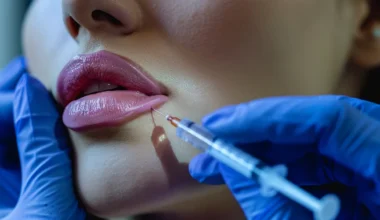
Botox, derived from a toxin produced by Clostridium botulinum, is widely used to reduce the appearance of facial wrinkles. While it may sound intimidating due to its origins, in small, carefully measured doses, Botox is safe and effective. The treatment involves precise injections that temporarily relax targeted facial muscles, smoothing lines while preserving natural expressions. Originally studied for muscle disorders, its cosmetic potential quickly transformed the aesthetic industry, offering a popular non-surgical option for anti-aging.
Many people worry that Botox causes a frozen look, but when administered by a trained professional, it can maintain natural facial movements. Accessibility has improved, and reputable clinics now provide treatments tailored to individual needs. For those seeking Botox in Marin County, CA, choosing an experienced provider is key to achieving safe, effective, and natural-looking results.
The Science of Botox and Wrinkle Reduction
Botox works at a cellular level by blocking nerve signals in the injected muscles, causing temporary paralysis or relaxation. This reduces the appearance of dynamic wrinkles, which result from repeated facial movements. The procedure is quick, typically requiring no anesthesia, and involves fine needle injections, with dosage depending on the treatment area and severity of wrinkles.
Most patients feel only minor discomfort, often described as a slight pinch. Effects begin within a few days and reach full results in about two weeks, lasting roughly three to four months. Regular follow-up treatments are necessary to maintain results. Scientific studies support Botox’s safety and effectiveness for cosmetic use, contributing to its growing popularity.
Botox Beyond Aesthetics: Therapeutic Uses
Botox, commonly known for its cosmetic use, also has significant therapeutic applications. It is employed to treat conditions such as chronic migraines, excessive sweating (hyperhidrosis), muscle spasms, and certain bladder disorders. For chronic migraines, Botox injections around the head and neck every 12 weeks can reduce the frequency and intensity of headaches, improving patients’ quality of life.
In cases of hyperhidrosis, Botox blocks the chemical signals that trigger sweat glands, substantially reducing sweating and easing associated physical and social discomfort. Botox also benefits individuals with muscular disorders like cervical dystonia by relaxing involuntary neck muscle contractions, decreasing stiffness and spasms. Its range of applications highlights its versatility in medical treatment.
Minimizing Side Effects and Maximizing Results with Botox
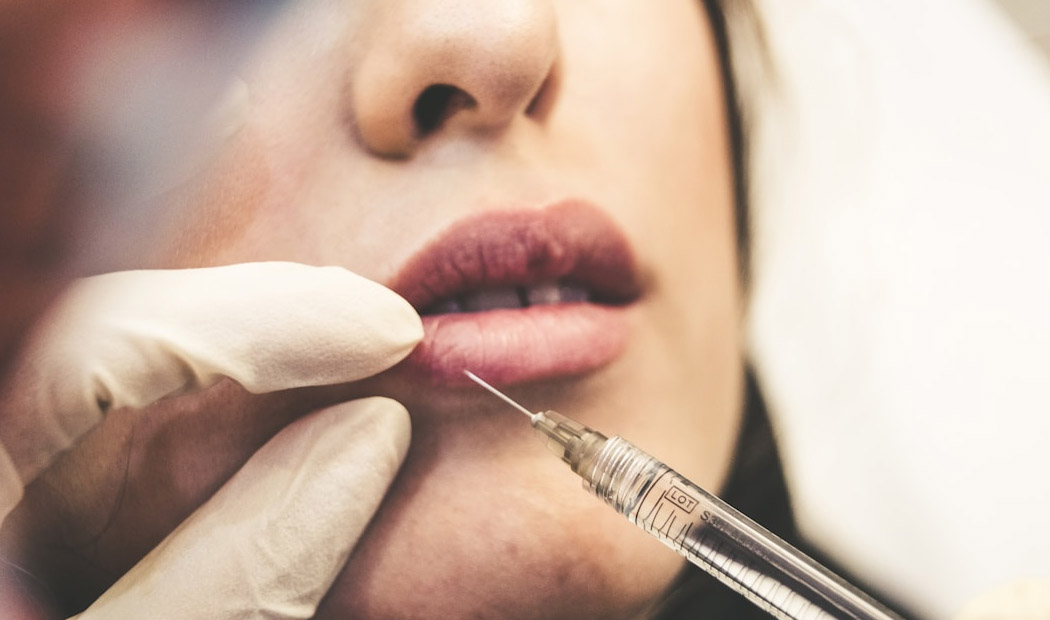
Botox treatments can cause side effects, most commonly swelling, bruising, or redness at the injection site, which are typically temporary. Serious complications, such as difficulty breathing or swallowing, are rare and require urgent medical attention. To reduce risks and achieve optimal results, it is essential to have injections performed by a licensed, experienced practitioner who understands facial anatomy and can deliver precise, natural-looking results.
Proper aftercare is also important; patients should avoid rubbing or massaging the treated area for at least 24 hours to prevent the toxin from affecting nearby muscles. Clear communication about medical history helps ensure safe and effective treatment.
Comparing Botox to Other Anti-Aging Treatments
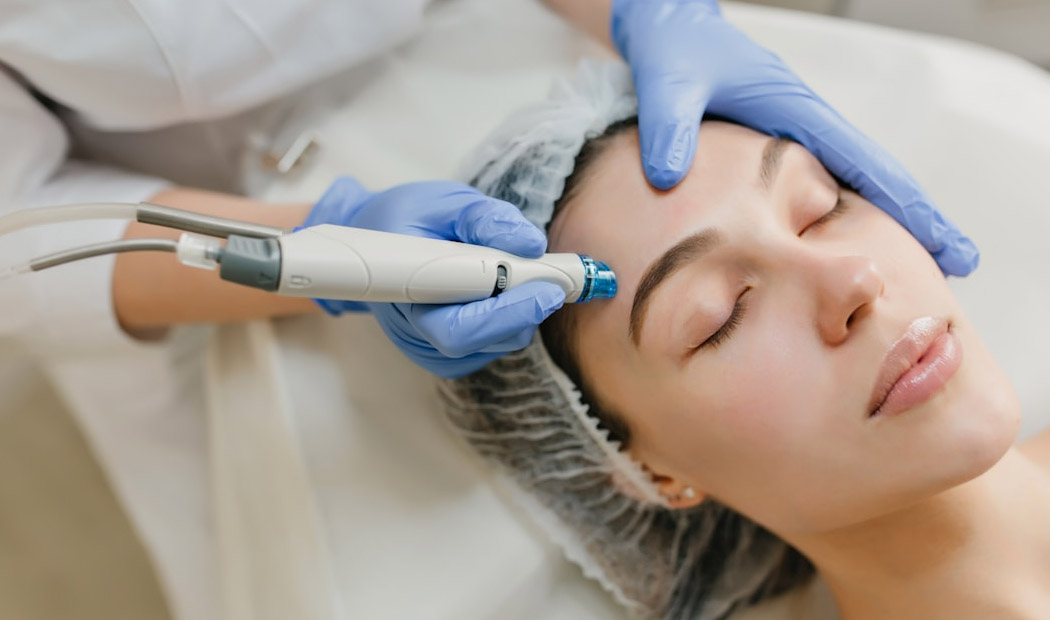
Botox is a popular non-surgical option in the anti-aging market, offering quick, minimally painful treatments with little recovery time. Unlike facelifts, it temporarily relaxes muscles to reduce the appearance of wrinkles, providing immediate results. Other treatments, such as dermal fillers, chemical peels, and laser therapy, address different concerns: fillers restore facial volume and smooth deeper lines, while chemical peels and lasers improve skin texture.
Topical agents like retinoids and antioxidants work gradually on the skin surface but do not produce the rapid effects of Botox. Choosing the right treatment depends on individual goals, desired results, potential side effects, and cost, with professional guidance recommended.
Altogether, Botox stands out as a versatile and effective solution for not only combating wrinkles and signs of aging but also for addressing various medical conditions. The key to maximizing its benefits lies in selecting a qualified practitioner and adhering to recommended aftercare practices. With proper application and consideration of individual needs, Botox can be a valuable part of one’s health and beauty regimen.