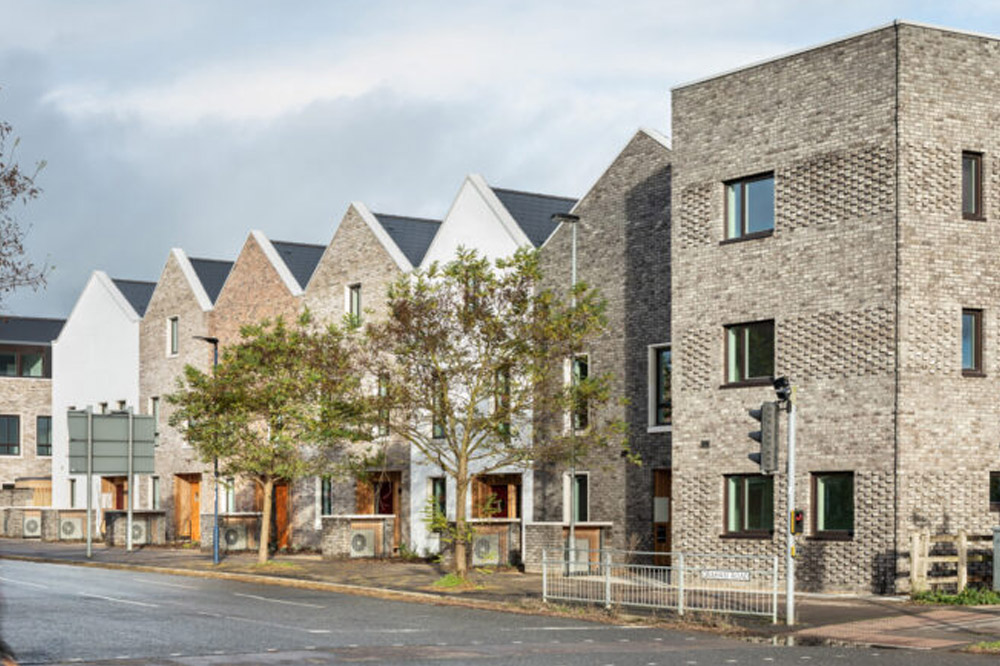
As cities expand at an unprecedented pace, the need for housing that balances both economic and ecological concerns is more urgent than ever. Sustainable housing solutions offer actionable approaches, from innovative building techniques to thoughtfully designed neighborhood models. These alternatives not only make homeownership more accessible but also significantly lessen environmental impact, benefiting residents and communities alike. As thought leaders such as John Picerne emphasize, prioritizing sustainability in housing can shape the future of urban development and societal well-being.
Adopting these forward-thinking solutions doesn’t just conserve resources—it also drives affordability, health, and resilience in modern neighborhoods. Whether through new construction methods or community-centered living arrangements, sustainable housing responds to the dual crises of climate change and housing shortages, offering hope and opportunity to those seeking to build a better future.
Modular Construction: Efficiency and Affordability
Modular construction stands out as a leading strategy in sustainable development. By building structures in a controlled, factory environment and assembling them onsite, modular design ensures improved quality management, reduced material waste, and significant time savings. Developers, such as iUnit Communities, in collaboration with the National Renewable Energy Laboratory, have adopted this model to create energy-efficient and affordable apartment complexes. These efforts make sustainable housing more scalable and repeatable across multiple markets, demonstrating the approach’s versatility and potential for widespread adoption. The U.S. Department of Energy also notes that off-site construction methods can minimize site disruptions and reduce transportation emissions, making them an integral part of green construction efforts.
3D-Printed Homes: Revolutionizing Construction
The momentum behind 3D-printed housing continues to grow as advances in technology make it possible to print entire homes from sustainable materials. Projects like the Tecla house in Italy showcase how natural, locally sourced earth can be transformed into durable, climate-responsive structures using 3D printing. This innovation not only curtails building material waste and labor costs but also creates opportunities for more customized and resilient designs. By revolutionizing how homes are built—often in a matter of days—3D printing is redefining affordability and energy efficiency, showing that technology-driven solutions can be both accessible and environmentally sound. More large-scale projects are underway worldwide, with promising implications for housing in low-income areas and disaster relief.
Cohousing Communities: Fostering Social Sustainability
Sustainability isn’t limited to materials and construction techniques—it’s equally about building relationships and sharing resources. Cohousing communities, such as Muir Commons in Davis, California, blend private homes with shared amenities, including gardens, kitchens, and recreational spaces. These arrangements cultivate a sense of belonging and mutual support, making neighborhoods more resilient and socially cohesive. Cohousing encourages a shift away from the isolation of traditional suburban living, instead promoting collaboration and reducing individual resource consumption. As this model spreads, more urban and suburban planners are recognizing its value in creating socially sustainable environments.
Tiny House Movement: Minimalism Meets Sustainability
The popularity of the tiny house movement rests on the idea that living well doesn’t demand excessive space—or excessive consumption. Cities like Atlanta and Denver have embraced tiny house villages, particularly as an innovative solution to homelessness. By keeping building footprints small and focusing on essential amenities, tiny houses significantly reduce utility needs and minimize their environmental impact. Additionally, their affordability and rapid build times make them particularly attractive for cities seeking to address urgent housing shortages quickly and efficiently. Tiny homes also serve as an entry point for lifestyle minimalists and young professionals looking for an alternative to traditional homeownership models.
Policy Initiatives: Encouraging Sustainable Development
Government policy is essential for scaling up sustainable housing solutions. Legislation like California’s Senate Bill 79, the Abundant and Affordable Homes Near Transit Act, authorizes the development of high-density residential buildings close to transit hubs. These initiatives not only increase the available housing stock but also reduce commute times and car dependency. By fostering mixed-use communities and reducing transportation emissions, such laws support growth that’s both inclusive and environmentally responsible. Other states are beginning to follow suit, recognizing the necessity of legal frameworks that promote green urban development.
Case Studies: Successful Implementations
Practical evidence of the positive impact of sustainable housing is evident worldwide. Heidelberg’s Bahnstadt in Germany exemplifies a carbon-neutral urban district, where innovative energy systems and walkable infrastructure anchor a vibrant community. The Bryant neighborhood in Ann Arbor, Michigan, is on track to become America’s first carbon-neutral neighborhood through investments in home weatherization, renewable energy sources, and community engagement. These real-life examples underscore what’s possible when cities commit to balancing population growth with climate goals, serving as blueprints for forward-thinking municipalities everywhere.
Future Trends in Sustainable Housing
The journey toward greener housing is an ongoing process. Next-generation trends include the widespread adoption of smart home technologies, advanced integration of renewable energy, and biophilic design principles that connect residents with nature. An increased focus on circular building strategies—where materials can be reused and recycled—will further reduce waste. At the same time, growing public support for sustainability is pushing developers and policymakers to accelerate change. Collaborative initiatives between the private sector and local governments will be crucial for turning these trends into everyday realities for millions of residents.
Conclusion
Sustainable housing is more than a trend; it’s an imperative strategy for future-ready communities. Through inventive construction methods, supportive neighborhoods, responsible policy, and the integration of technology, it’s possible to create homes that nurture both people and the planet. These efforts illuminate a path forward amid the twin challenges of urbanization and climate change—demonstrating that with commitment, innovation, and collaboration, communities everywhere can thrive sustainably.