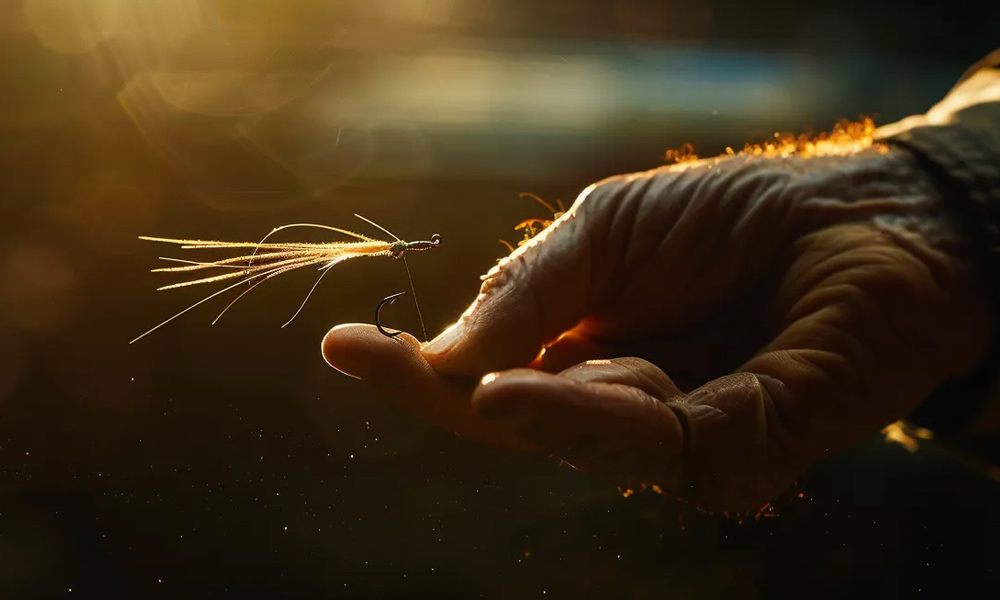
For anglers dedicated to the art of fly fishing, the choice of hook can be just as crucial as the technique. Premium dry-fly hooks offer a world of difference in precision, durability, and overall performance. They are the silent partners who can make or break a successful fly-fishing trip. Understanding the subtleties of these hooks can vastly improve an angler’s experience on the water. Keep reading to uncover how high-quality hooks can elevate your dry fly fishing to the next level.
The Art of Precision: How Premium Dry Fly Hooks Enhance Fly Fishing
One cannot overstate the importance of precision in fly fishing. Premium dry-fly hooks are designed to deliver exceptional control and accuracy, enabling anglers to place their flies precisely where they need them. The finesse in the hook’s build permits a seamless cast, ideal for tricking wary fish into biting. The design and sharpness of these hooks ensure that, when a fish takes the bait, the connection is secure. The best dry fly hooks have a point that penetrates quickly, minimising the risk of a fish escaping after the take. This precision dramatically increases an angler’s confidence and success rate.
A hook’s weight and balance also contribute significantly to its precision. High-quality dry-fly hooks are typically designed to be as lightweight as possible to prevent sinking and disrupt the fly’s natural drift. This weightlessness supports the delicate presentation often required for dry-fly angling. The precision of these hooks allows for a delicate presentation that does not spook fish. The ability to mimic the subtle movements of real insects on the water’s surface is key to fooling fish, and premium hooks are integral to achieving this realism.
Hooking Success: The Role of Hook Sharpness in Dry Fly Fishing
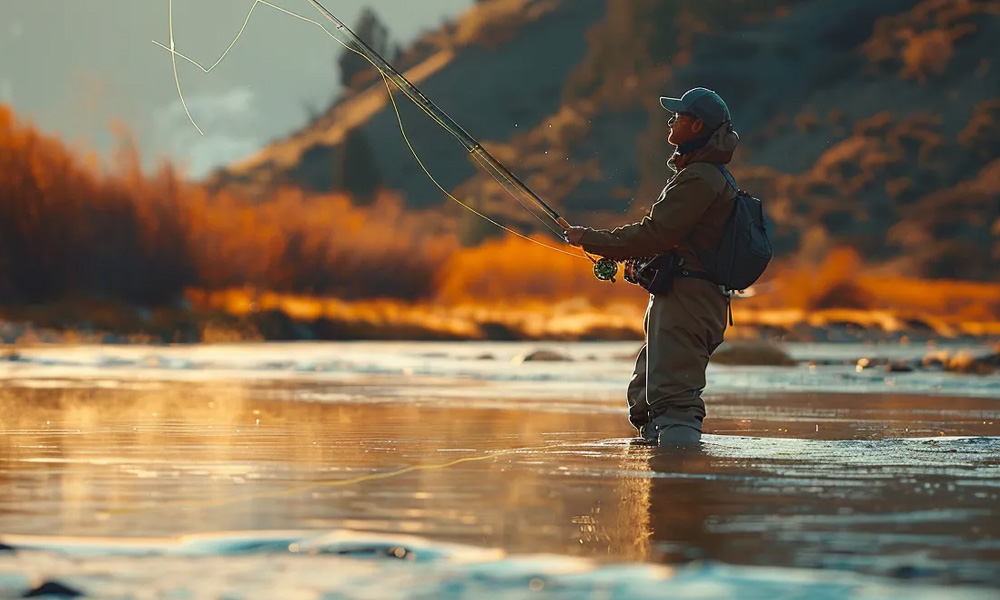
Sharpness is arguably the most crucial characteristic of a dry fly hook. It directly affects the ability to set the hook properly in a fish’s mouth. Premium hooks are often laser-sharpened to ensure a point that pierces swiftly and cleanly, reducing the effort required to set the hook.
A sharp hook also means fewer lost fish. When a fish strikes at the fly, a dull point might not penetrate deeply enough to secure it. A consistently sharp hook maximises the chances of hooking a fish correctly and keeping it on the line until landed. Maintaining sharpness over time is another advantage of using high-end dry-fly hooks. Lower-quality hooks may quickly become dull after a few uses, whereas premium hooks are designed to maintain their edge even under rigorous use. Anglers can spend more time fishing and less time worrying about the condition of their hooks.
The Subtle Difference: How Hook Design Influences Fly Presentation
Every detail in the design of a dry-fly hook can significantly affect its presentation. The bend, shank length, and shape of the hook all play a part in how the fly floats and moves on the water. Seasoned anglers know that the right hook can imitate the intricate dance of an insect landing or floating downstream. The eye of the hook is another design aspect that can influence the fly’s performance. Straight-eye hooks allow for a more direct line pull and can result in better hook sets, while up-eye or down-eye hooks can affect how the fly sits on the water.
A well-crafted hook ensures a secure mount for the fly, minimizing the risk of it coming loose or spinning, which could detract from its natural appearance. The goal is always to present the fly as lifelike, and the right hook design is fundamental to this. Specialised designs can target specific fishing conditions or fish species, giving anglers an edge when facing challenging circumstances or pursuing elusive fish. A hook’s design might seem a minute detail, but to the perceptive angler, it’s a critical component of their strategy.
The advantages of using premium dry-fly hooks are numerous, including performance, durability, and environmental responsibility. They’re the keystone of any successful fly fishing experience, quietly emphasising the difference between a good day on the water and a great one.