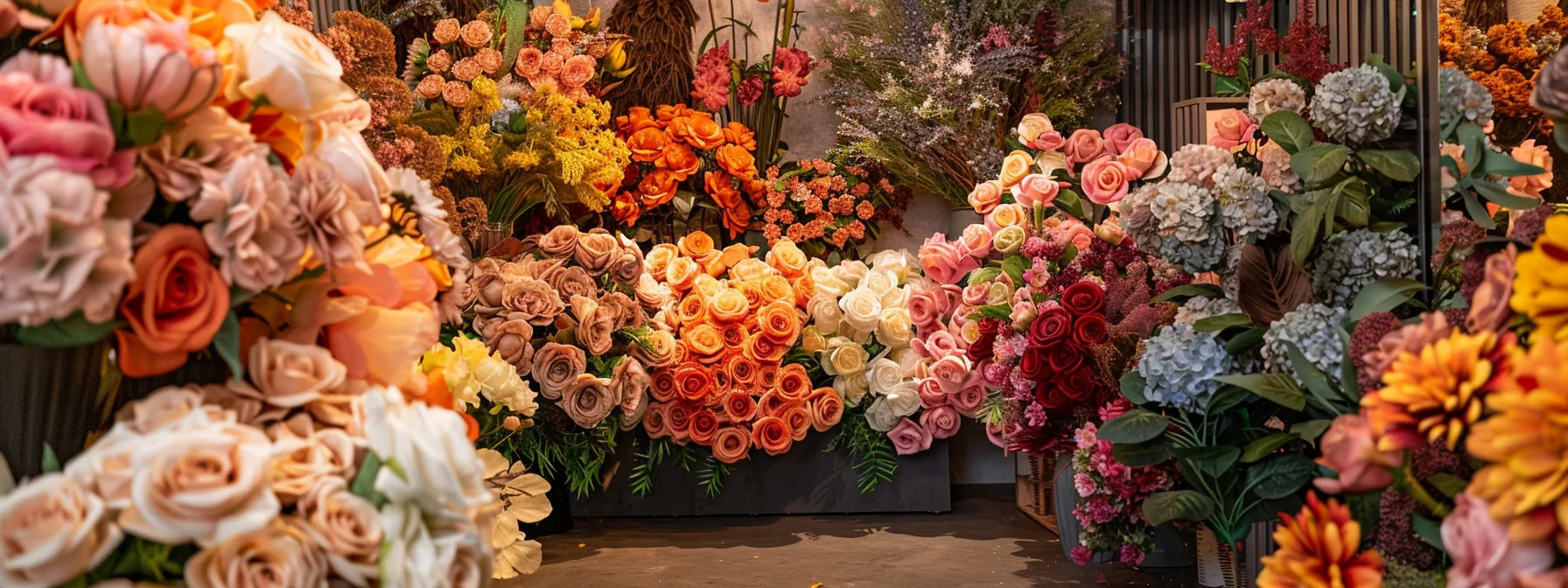
When planning an event, the floral arrangements can significantly influence the ambiance and aesthetic appeal. The choice between silk and real flowers often becomes a pivotal decision for event planners and hosts. Each option comes with its own set of benefits and drawbacks, ranging from cost and longevity to aesthetic and environmental considerations.
Understanding the differences between silk and real flowers will empower you to make an informed decision that aligns with your event’s theme, budget, and values. Below, we delve into the intricate factors that play a role in choosing the right floral decor for your special occasion.
Silk Flowers vs Real Flowers: Deciding What’s Best for Your Event
The primary dilemma when comparing silk to real flowers is the authenticity and experience they deliver. Real flowers offer a natural elegance and the irreplaceable, fresh, fragrant atmosphere that can elevate an event’s sophistication. They’re often seen as the traditional choice that resonates with the celebration of life’s milestones. However, silk flowers can be strikingly realistic, available in off-season varieties without the premium cost, and their lack of scent is an advantage for guests with allergies. They are also immune to the wilting and discoloration that can befall real flowers in challenging climates or over the course of long events. The choice largely hinges on your specific event requirements and personal preferences.
To navigate this decision, weigh factors including the event length, climate, and the importance of having fresh blooms versus longevity. If your event spans multiple days or takes place in extreme weather, silk flowers might be the wiser investment. Having silk flowers can significantly enhance your decor options.
Aesthetic Appeal and Versatility of Silk and Real Flowers in Event Design
From a design perspective, both silk and real flowers boast their own charm. Silk flowers provide the flexibility to experiment with a vast array of colors and styles that might not be available or affordable in their natural counterparts. They also allow for intricate arrangements to be made well in advance.
Real flowers, on the other hand, have the power to make a statement through their natural imperfections and seasonal beauty. They can create a connection to the location and time of year, injecting a touch of authenticity into your event design. As Martha Stewart Weddings suggests, the choice of blooms often sets the tone for the entire event.
When deciding on the aesthetic, consider the theme and mood you want to establish. If you’re looking for perfection and predictability in design, silk flowers may be your ally. For a natural, organic vibe, real flowers will complement the sentiment flawlessly.
Maintenance and Longevity: Silk versus Real Flowers for Events
Maintenance and longevity are where silk flowers shine brightest. They are perfect for events requiring extensive setup times or transportation, as they don’t necessitate water and are less fragile than real flowers. Plus, they can be reused or repurposed, providing a lasting memento or decor for future events.
Real flowers require careful handling, a controlled environment, and often, an on-site florist for setup and maintenance. Anyone who has faced the challenges of keeping flowers fresh for a wedding or gala understands the meticulous attention needed for live arrangements. Good Housekeeping includes tips on how to keep your fresh flowers lasting longer.
Consider the logistics of your event when choosing between silk and real flowers. If you have the infrastructure to support live florals and value the ephemeral beauty they present, lean towards real flowers. For a more worry-free and durable solution, silk flowers offer peace of mind.

Cost Considerations and Environmental Impact When Choosing Flowers for Your Event
The cost of floral arrangements can accumulate swiftly, especially for large-scale events. Silk flowers might have a higher upfront cost, but they’re a one-time investment that can offer savings over time. In contrast, real flowers can be less expensive per bunch, but they may require larger quantities and entail costs for preservation, installation, and potential wastage.
It’s also vital to consider the environmental impact. The carbon footprint associated with growing, preserving, and transporting real flowers can be significant, especially for exotic or out-of-season varieties. Silk flowers may seem more environmentally friendly due to their reusability, but they’re often made from non-biodegradable materials that contribute to waste in the long term.
Weigh the financial implications and eco-friendliness of your choice. Seek out local and seasonal real flowers to cut costs and carbon footprint, or invest in high-quality silk flowers that champion longevity and continual reuse.
Ultimately, the decision between silk and real flowers for an event rests on a delicate balance between aesthetic preference, practicality, budget, and environmental considerations. While real flowers bring a traditional and fresh touch, silk flowers offer durability and versatility. Factor in the nature of your occasion, your audience’s expectations, and the message you wish to convey with your florals to make the most fitting choice for your unique celebration.