Why Basements Are Moisture Magnets
Basements sit where water naturally wants to go—below grade, wrapped in soil that gets saturated after rain and snowmelt. Hydrostatic pressure pushes moisture against foundation walls, while vapor sneaks through porous concrete and masonry. Add imperfect drainage or aging building materials, and you’ve got a space that can swing from cozy storage room to damp disaster in a single storm.
Early Clues: Musty Odors and Heavy Air
If your basement smells earthy or musty, that’s the soft opening of a moisture problem. Mold and mildew thrive in damp, stagnant air; you may not see them yet, but your nose catches their signature. When the space feels clammy or sticky—especially in warm months—it’s a cue to look deeper before small issues become big ones.
Water Stains and Peeling Finishes
Brownish halos on concrete, yellowed plasterboard, bubbling paint or cracking plaster indicate water damage. Stains along mortar joints or wall bases disclose seepage paths. Left alone, finishes fade, wood swells, and shelving and pictures suffer.
Mold and Mildew, Uninvited Guests
Speckled black, green, or fluffy white patches on walls, floors, joists, or stored items aren’t just unsightly—they signal an unhealthy environment. Even small colonies can irritate lungs and trigger allergies. If you spot growth, tackle both the cleanup and the moisture source; treating one without the other is like mopping with the faucet still running.
Efflorescence: The Chalky Trail
The white, powdery film on concrete or brick is efflorescence—mineral salts left behind by water evaporation. It indicates moisture circulation without damaging the structure. Consider it a breadcrumb trail indicating leaks, capillary action, or damp earth pressing on your foundation.
Cracks in Walls or Slabs
Hairline cracks in concrete are common, but widening fissures or damp, stained cracks tell a more urgent story. Movement from settling, freeze-thaw cycles, or water pressure can open pathways for seepage. If a crack feels wet, leaks during storms, or grows over time, it needs attention—from sealing to structural evaluation.
Puddles and Surprise Wet Spots
Standing water after rain indicates system failure—poor grading, clogged drains, high water table, or foundation leaks. Rainwater damages floors, storage, and accelerates mould growth. Water at the base of walls frequently indicates poor drainage and requires prompt attention.
Condensation on Windows and Pipes
Fogged panes, dripping pipes, and beaded moisture on cool surfaces point to high humidity. While some condensation is normal, persistent wetness fuels mold and slowly wears down materials. A dehumidifier can help balance the air, but it’s equally important to reduce sources of moisture and cold-surface contact.
Waterproofing That Meets the Moment
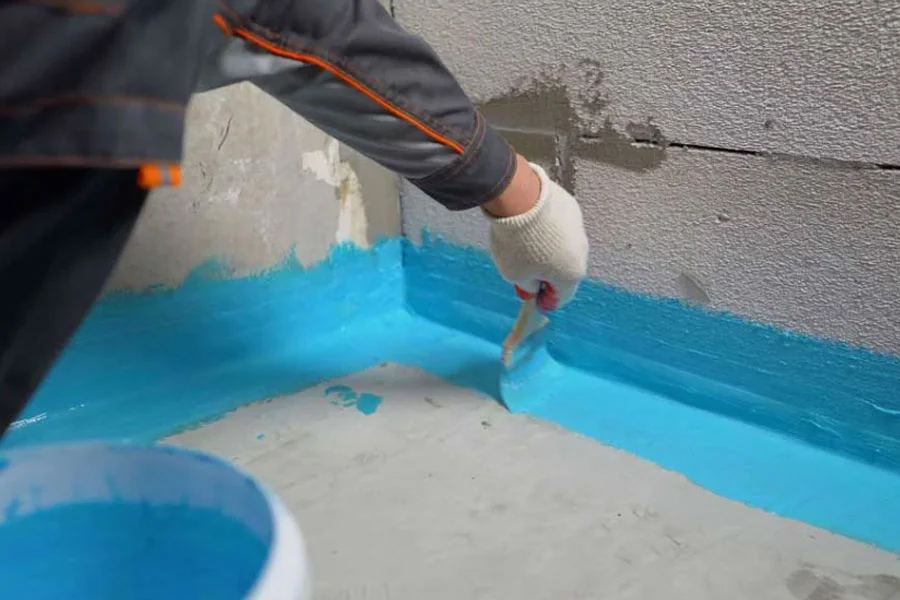
Once inside, waterproofing regulates water. Cover active leaks using hydraulic cement, waterproof or vapor-retard walls, and use inside French drains to direct water to a sump pump. These methods are popular for seepage and episodic leaks since they are speedier and less disruptive.
Exterior waterproofing stops water before it reaches your foundation. It’s the gold standard for chronic intrusion: excavate to the footing, apply a waterproof membrane, add drainage mats or panels, and install footing drains that lead to daylight or a storm system. When paired with improved grading and soil compaction, this method relieves hydrostatic pressure and keeps walls dry from the outside in.
Drainage and Landscape Tweaks That Matter
With effective surface water management, waterproofing works best. Clean and properly size gutters and extend downspouts 4–6 feet from the foundation to prevent soil backflow. To safely channel runoff, grade the perimeter away from the house and use swales or dry wells. Even modest changes—redirecting a splash block, cutting dense plant beds near walls—can reduce foundation soil moisture.
Pro Help vs DIY: Choosing Your Path
DIY dehumidification, targeted sealing, and ventilation can quickly improve light humidity, small odours, and localised condensation. When puddles, cracks, mould, or stains resurface after every storm, skilled leak detection and waterproofing are needed. Professionals can find hidden routes, monitor hydrostatic pressure, and design integrated systems—from sump pumps with battery backups to outdoor drainage assemblies—that match your soil, climate, and foundation.
FAQ
What causes basement moisture in the first place?
Soil saturation, hydrostatic pressure, poor drainage, and porous materials invite water to push through walls and floors.
Is a dehumidifier enough to solve dampness?
It helps control humidity, but it won’t fix leaks or seepage; you still need to address water entry points and drainage.
Can I just paint over water stains?
Painting without fixing the source is a temporary disguise; stains will return and trapped moisture can worsen damage.
How do I know if I need exterior waterproofing?
Persistent leaks, heavy groundwater pressure, or water entering through walls suggest an exterior system is the right move.
Do hairline cracks need to be repaired?
Monitor them; if they grow, feel damp, or leak during storms, seal them and evaluate for structural movement.
Is efflorescence harmful?
Not directly, but it indicates moisture migration and should prompt investigation and moisture control.
Will a sump pump keep my basement completely dry?
It manages collected water effectively, but it works best alongside proper drainage, sealing, and grading improvements.