Key Takeaways
- Personal injury claims exist to help victims recover losses caused by negligence or carelessness
- Acting quickly after an injury can significantly strengthen your case
- Proper documentation and medical records are essential evidence
- Understanding negligence, liability, and damages is critical to fair compensation
- Legal guidance can improve outcomes, especially for complex or serious injuries
Introduction to Personal Injury Claims
Unexpected accidents can disrupt everyday life, often resulting in injury, mounting bills, and emotional distress. Understanding the landscape of personal injury claims is crucial when seeking justice and compensation for losses caused by another’s carelessness. With an effective strategy and support, victims can improve their chances of a fair recovery. For those in Central Florida, consulting a personal injury attorney Orlando and Tampa can provide invaluable guidance at this uncertain time.
The process of pursuing a personal injury claim might feel overwhelming, especially when faced with injuries or trauma. This comprehensive guide equips beginners with the foundational knowledge needed to navigate every stage of a claim, clarifying rights and approaches to seeking compensation.
Personal injury law is designed to help victims recover from losses by holding negligent parties responsible. Whether the incident involved a traffic collision, a slip and fall, or faulty products, understanding the essentials of personal injury can make all the difference when building a solid case.
Every injury case is unique, but the fundamental steps and principles apply universally. From gathering evidence to understanding your legal options, this guidance aims to simplify the road ahead.
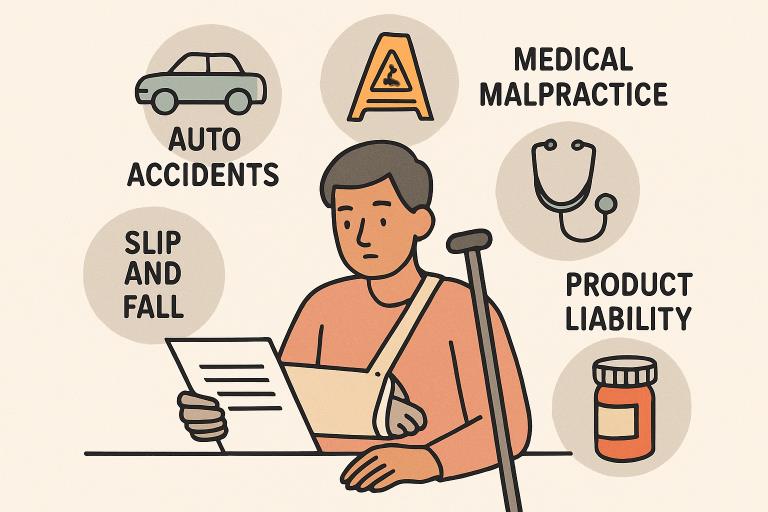
- Automobile Accidents:Incidents involving cars, trucks, motorcycles, cyclists, or pedestrians are a leading cause of personal injury claims. These often hinge on fault, liability, and insurance coverage.
- Slip and Fall Incidents:Dangerous conditions in public or private spaces—such as wet floors or uneven sidewalks—frequently lead to injury. Property owners can be held liable for failing to maintain safe environments.
- Medical Malpractice:When healthcare professionals fail to uphold their duty of care, patients can suffer harm. Claims may arise from misdiagnosis, surgical errors, or improper treatment.
- Product Liability:Injuries resulting from defective appliances, contaminated foods, or unsafe medicines may be grounds for legal action against manufacturers or distributors.
Accurate identification of the case type ensures the right legal strategy and helps estimate potential compensation.
Immediate Steps to Take After an Injury
The aftermath of an accident is often chaotic and disorganized. Nonetheless, acting promptly can significantly strengthen your claim. Here are critical steps to follow after an injury:
- Seek Medical Attention:Your health is the top priority. Not only does prompt treatment prevent complications, but medical records will play a key role as evidence later on.
- Document the Incident:Gather as much information as possible—photographs of the scene, statements from witnesses, and copies of police reports provide objective proof of what happened.
- Report the Incident:If the injury occurred on someone else’s property or involved a vehicle, notify the appropriate parties as soon as possible. Filing reports creates an official record, which can prove invaluable in disputes.
Following these steps not only facilitates a quicker recovery but also ensures vital information isn’t lost.
Understanding Negligence and Liability
Proving negligence lies at the heart of most personal injury claims. To hold another party liable, you must demonstrate:
- Duty of Care:The other party had a legal obligation to act safely and prevent harm.
- Breach of Duty:They failed in that obligation, either through careless actions or inaction.
- Causation:Their breach directly led to your injuries.
- Damages:The harm you suffered—physical, financial, or emotional—can be clearly documented.
For instance, a store that fails to address a spilled liquid may be deemed negligent if a customer slips and falls as a result. Proving all four elements is essential for a successful claim.
Calculating Damages and Compensation
Once negligence is established, the next step is to assess the appropriate compensation. Damages in personal injury cases typically fall into two categories:
- Economic Damages:These are measurable losses and expenses, including hospital bills, ongoing treatment costs, property damage, and lost wages resulting from missed work.
- Non-Economic Damages:These account for intangible losses, such as physical pain, emotional distress, loss of enjoyment in life, and, in severe cases, permanent disability.
Accurately documenting all losses, with professional estimates where necessary, ensures a fair calculation and bolsters negotiations with insurance companies.
The Role of Personal Injury Attorneys
Navigating the legal complexities of a personal injury claim often requires specialized expertise and knowledge. Personal injury attorneys handle critical tasks like case evaluation, negotiating with insurers, and representing clients in court. Their experience can lead to higher settlements and prevent costly errors that might jeopardize a case.
- Case strength assessment and legal advice
- Managing all communications with opposing parties and insurers
- Litigation, if out-of-court resolution fails
Consultation with a lawyer is especially vital for complicated claims or when serious injuries are involved.
Statute of Limitations and Filing Deadlines
Every state imposes strict deadlines for filing personal injury claims, known as statutes of limitations. These time limits can be as short as one or two years from the date of injury. Missing the deadline generally means losing the right to pursue compensation, regardless of the claim’s merits. It’s crucial to act quickly and clarify the specific limits that apply in your jurisdiction.
Final Thoughts
Personal injury claims are complex, but with informed action and the right support, accident victims can secure the compensation needed to move forward. Acting quickly, meticulously documenting all evidence, and consulting with knowledgeable legal professionals empowers you to protect your rights, focus on recovery, and restore peace of mind.