Key Takeaways
- Trenchless technologies minimize excavation, reducing disruption and cost.
- Innovations like Cured-In-Place Pipe (CIPP) and sliplining extend the lifespan of existing pipes.
- Advanced diagnostics, including robotic inspections, enhance repair precision.
- Environmental considerations are integral to modern sewer repair methods.
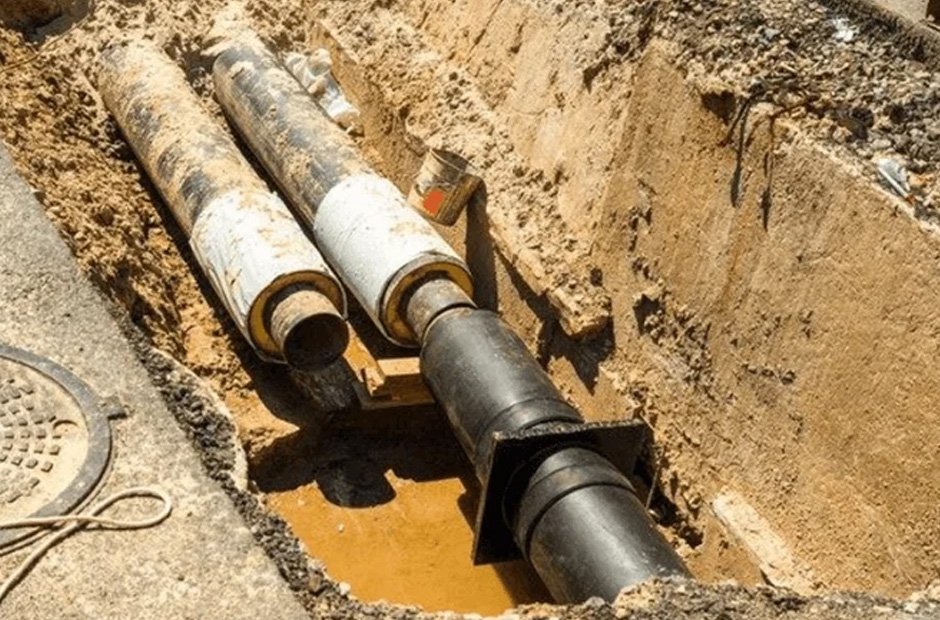
Repairing underground sewer lines is challenging because older systems tend to deteriorate over time. Traditional approaches require large-scale excavation, which increases costs, time, and disruption. Modern trenchless methods offer a less invasive, more affordable, and eco-friendly alternative, saving time and minimizing soil disturbance. As urban populations continue to grow, adopting efficient repair techniques is crucial for maintaining sanitation and public health. Implementing advanced solutions helps communities extend the lifespan of their sewer systems, reduce repair needs, and maintain reliable infrastructure.
Trenchless Technology: A Game Changer
Trenchless technology represents a transformative shift in how underground sewer lines are maintained and repaired. Instead of tearing up streets, yards, and driveways, these methods use minimal access points to rehabilitate pipes from within. Cured-in-place pipe (CIPP) lining and sliplining remain at the leading edge, significantly reducing surface disruption and allowing repairs to be completed in a fraction of the time compared to traditional digging methods. Homeowners and businesses seeking trenchless sewer line repair in Utah can benefit from these techniques, which offer efficient and minimally invasive solutions.
Municipalities and property owners also benefit from lower long-term maintenance costs. With less excavation, the potential risks to other underground utilities are minimized, reducing the chance of additional unintended damage or service interruptions.
Cured-In-Place Pipe (CIPP) Lining
Cured-In-Place Pipe (CIPP) is an innovative pipe rehabilitation method in which a resin-saturated flexible liner is inserted into a damaged pipe. The liner is then expanded and cured using hot water, steam, or UV light, forming a new, durable pipe within the existing one. This seamless design prevents cracks and root intrusion, extending the system’s lifespan while keeping costs and environmental impact low. Despite its benefits, safety precautions are essential, as the resins used during curing can emit volatile organic compounds. Proper ventilation and protective measures help safeguard both workers and nearby residents.
Sliplining: Reinforcing Existing Pipes
Sliplining is another key trenchless method used for repairing underground sewer infrastructure. This process places a new, slightly smaller pipe inside the damaged host pipe. Grout fills the space between the old and new pipes, restoring strength, halting leaks, and ensuring long-term integrity. While it does modestly reduce the overall diameter of the pipe, sliplining is especially useful for larger mains and situations where complete replacement would be impractical.
Sliplining provides a cost-effective solution for addressing chronic leaks and deteriorated pipe segments, eliminating the extensive disruption typically associated with traditional open-trench methods. The approach is especially popular in locations with complex utility corridors or environmentally sensitive areas.
Advanced Diagnostic Tools
One of the linchpins of modern sewer repair is the sharp rise in technology-driven diagnostic tools. Robotic cameras and sensor-equipped devices can travel deep into sewer pipes, streaming live video and gathering condition data. This capability allows technicians to pinpoint damage—from minor cracks to blockages or root invasions—with incredible accuracy, ensuring that repairs are both targeted and effective.
By incorporating artificial intelligence, some systems now interpret sensor data to recommend the optimal repair strategy, thereby significantly improving efficiency and reliability. By arming professionals with such detailed information, repairs can focus precisely where needed, resulting in less waste, fewer unnecessary interventions, and a longer lifespan for municipal infrastructure.
Environmental Considerations
Today’s sewer repair priorities go beyond cost and convenience. Modern trenchless technologies are inherently designed to be environmentally considerate. Because these approaches require less excavation, there is reduced risk of contaminating groundwater and fewer emissions from heavy equipment. They also decrease the chance of tree root damage and minimize the impact on local habitats, aligning them with broader sustainability initiatives.
By preserving existing pipes and limiting the use of new materials, these modern approaches also help lower the carbon footprint associated with infrastructure upgrades. Environmental stewardship is becoming an essential criterion for selecting repair methodologies in progressive municipalities.
Cost and Time Efficiency
The economic and logistical advantages of trenchless sewer line repair are among the most significant drivers for its rapid adoption. By dramatically reducing labor, machinery, and site restoration expenses, these innovative repair methods deliver significant savings and increased speed. Residential neighborhoods, businesses, and city planners embrace these solutions not only for the financial benefits but also because of reduced inconvenience and quicker project turnaround.
For instance, the widespread adoption of CIPP and similar trenchless technologies has enabled cities to rejuvenate extensive stretches of their sewer networks with minimal service interruptions—a testament to both their reliability and economic merit. As outlined by Forbes, these time-saving advantages place trenchless repairs at the forefront of modern infrastructure management.
Conclusion
Modern solutions for repairing underground sewer lines are reshaping urban infrastructure management. Trenchless technologies, such as CIPP and sliplining, bolstered by advanced diagnostics, offer a blend of efficiency, minimal disruption, long-term durability, and a conscious approach to environmental preservation. By embracing these advancements, homeowners, communities, and cities can safeguard their essential wastewater systems, ensuring safety, sustainability, and a high quality of life for future generations.