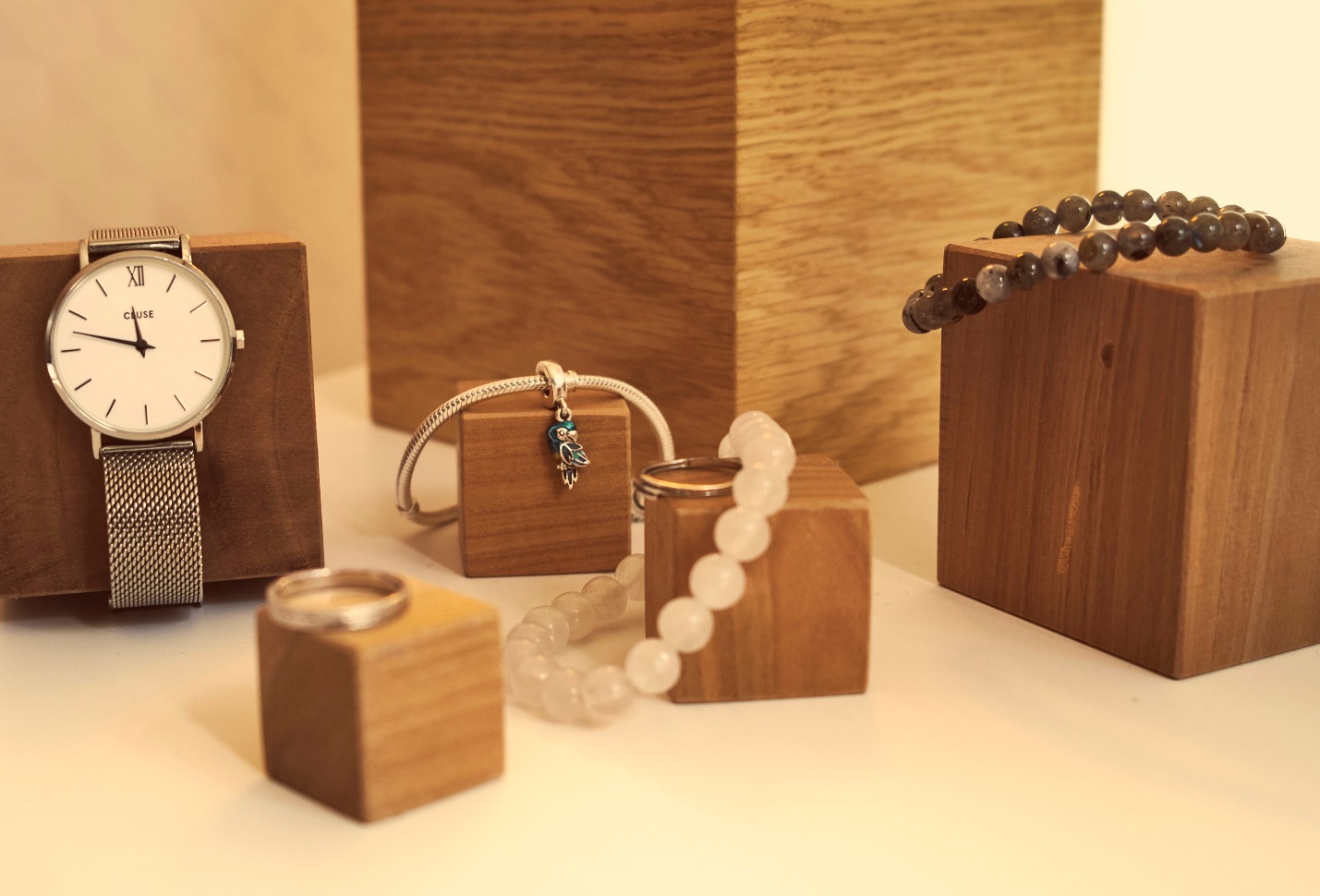
Jewelry and accessories play an important role in daily fashion choices. They complete outfits, reflect personal taste, and often carry emotional value. Yet the way these items are stored rarely receives the same attention as how they are worn. An organized dressing table helps preserve jewelry, saves time during styling, and maintains a clean visual aesthetic. Good storage also prevents damage caused by tangling, moisture, or surface scratches.
Over time, jewelry storage has shifted from a simple necessity to an extension of personal style. Fashion today values both function and presentation, and storage solutions reflect that balance. From traditional French containers to modern organizers, each method serves a purpose depending on material, usage, and space. Understanding how storage has evolved and how different materials require different care allows fashion-conscious individuals to keep their accessories elegant, accessible, and well-maintained.
The Dressing Table as a Style Statement
A dressing table signals a person’s approach to style and presentation. It acts as a daily workspace for shaping looks. When accessories are scattered or stored haphazardly, even a beautiful space can appear disordered. Strategic storage maintains a clean surface while highlighting select pieces.
Decorative containers have practical and visual roles. Small porcelain or crafted boxes hold rings, earrings, or keepsakes. Traditional storage options like Limoges boxes help organize jewelry items while adding elegance and order to the dressing table. Balancing open trays with closed containers keeps small items organized without losing character, supporting fashion and visual harmony.
How Jewelry and Accessories Storage Has Evolved Over Time
Historically, jewelry was stored in whatever was available: fabric pouches, wooden chests, or ceramic containers. These protected items but lacked organization. As fashion grew more personal, storage reflected status and lifestyle. Vanity tables, especially in Europe, became a standard part of dressing rooms.
The twentieth century introduced compartmentalized boxes and portable cases for growing collections. Modern fashion’s focus on accessibility and efficiency led to the development of stackable trays, drawer inserts, and modular organizers. Today’s storage solutions address protection and display, supporting changing habits like frequent accessory rotation and smaller homes. This evolution shows storage adapting alongside fashion trends and daily routines.
Storing Fine Jewelry Like Gold, Silver, and Platinum
Fine jewelry needs careful storage because metals react to air and moisture. Gold resists tarnish but scratches easily. Silver must be kept in airtight containers to prevent tarnishing. Platinum is durable but needs separation to prevent wear.
Soft fabric linings help protect these metals from friction. Individual compartments prevent pieces from rubbing against each other. Anti-tarnish cloths work well for silver items that remain unused for long periods. Daily-wear pieces should remain easy to reach while still protected. Proper storage extends the life of fine jewelry and maintains its appearance, which matters for long-term fashion use.
Caring for Gemstones and Delicate Jewelry Pieces
Gemstones differ in durability, so storage varies. Diamonds resist scratches but can harm softer gems. Pearls, opals, and turquoise need gentle handling and stable conditions. Storing them together risks surface damage.
Store each gemstone in its own compartment or soft pouch. Gemstone rings benefit from individual slots that prevent the stone from rubbing against metal edges or other settings. Light, heat, and humidity can weaken delicate materials. Keep jewelry with glued settings dry to prevent loosening. Separate fashion jewelry with mixed stones to avoid friction. Careful storage preserves color, clarity, and structure. This attention ensures delicate pieces remain wearable and visually appealing across seasons.
Organizing Costume Jewelry and Fashion Accessories
Costume jewelry often includes mixed metals, beads, enamel, and synthetic stones. These materials react differently to friction, light, and moisture. Proper organization prevents tangling and surface wear. Storing necklaces flat or hanging them individually reduces the risk of knotting. Earrings are easier to manage when paired together in small sections.
Because costume jewelry changes with trends, storage should allow quick rotation. Clear trays or shallow drawers work well for visibility. Separating heavier pieces from delicate designs prevents damage. Limiting exposure to direct sunlight helps maintain color and finish. Well-organized costume jewelry supports daily styling and keeps seasonal accessories easy to update.
Storage Solutions for Watches, Sunglasses, and Hair Accessories
Accessories beyond jewelry also require organized storage. Watches should lie flat to preserve the strap form and surface integrity. Padded compartments shield the face and clasp, while individual sections prevent contact between metal finishes. This setup helps maintain both appearance and comfort during wear.
Sunglasses are best kept in individual cases or partitioned drawers to guard against lens scratches. Storing them away from direct light also helps protect frame color and lens coatings.
Loose hair accessories create clutter when left ungrouped. Arrange clips, pins, and bands in trays or drawer sections based on size or frequency of use. Keep often-used items within reach to support daily routines. Store them apart from jewelry to avoid surface damage. A clear system keeps accessories organized, protected, and easy to access.
Creating an Elegant Yet Functional Dressing Table Layout
A good dressing table setup is both organized and stylish. Divide the surface into use zones. Keep daily items handy; store less-used pieces in drawers. This reduces clutter.
Using a limited color palette for storage accessories maintains visual balance. Matching materials and finishes help create cohesion. Vertical storage works well for smaller spaces. Decorative items should serve a purpose rather than occupy space unnecessarily. A functional layout keeps the dressing table both attractive and practical for daily fashion routines.
Sustainable and Long-Term Jewelry Storage Practices
Sustainable storage means choosing durable organizers to reduce waste and protect accessories. Good storage minimizes damage, reducing the need for repairs and replacements. This supports mindful fashion.
Avoid overcrowding storage spaces. Overfilled compartments increase friction and wear. Regularly reviewing collections helps maintain order and reduces the number of unused items. Storage solutions that adapt over time support changing fashion needs. Long-term care preserves both appearance and function. Sustainable practices ensure jewelry remains wearable year after year rather than season to season.
Jewelry and accessories storage is key to both fashion and function. Organized storage protects materials, saves time, and streamlines daily routines. Matching storage methods to material needs ensures long-term care. A well-planned dressing table keeps accessories elegant, accessible, and well-maintained. Over time, thoughtful organization also reduces wear, prevents loss, and supports mindful fashion habits that value longevity and everyday practicality.