Open-Concept Flow, Minus the Chaos
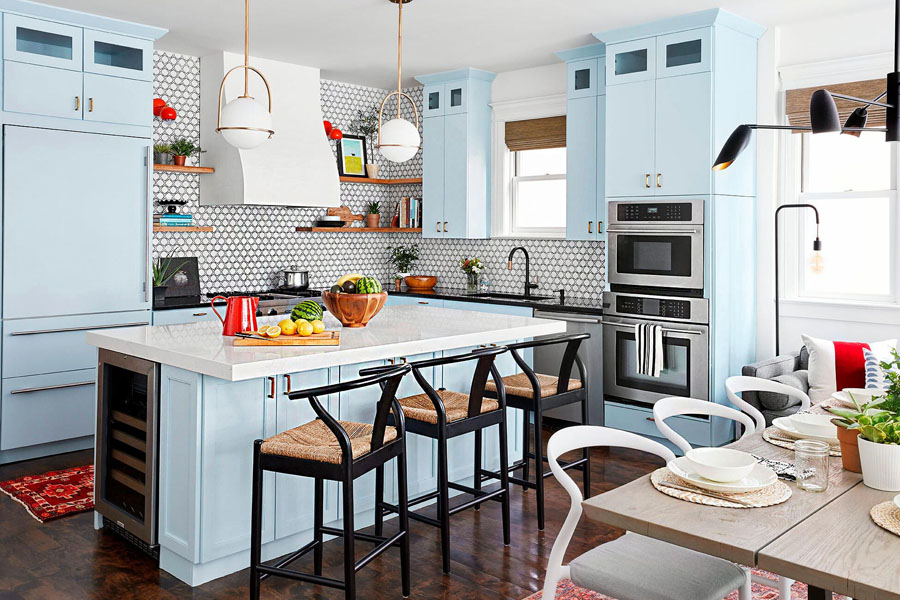
Open-concept kitchens are beloved for their light, energy, and easy conversation—but the secret is thoughtful zoning, says The Maryland and Delaware Group PM. If you’re opening walls, use cased openings, half-height pony walls, or a change in ceiling treatment to cue transitions without sacrificing that airy feel. Area rugs under the dining table, pendant clusters above an island, and a subtle contrast in cabinetry or wall color help define each zone so the space reads as intentional, not just big. Before you swing the sledgehammer, talk through structural needs, sound control, and ventilation—an efficient range hood and acoustic finishes keep cooking and conversation happily coexisting.
Smart Tech That Actually Makes Life Easier
Smart appliances are past the novelty stage; they’re an everyday convenience when chosen well. A connected oven that preheats on your commute, a fridge that keeps tabs on produce, touch or voice-activated faucets, and induction ranges that boil fast while using less energy all streamline the rhythm of cooking and cleaning. Pick a single ecosystem where possible (so your devices talk to each other), prioritize features you’ll use weekly, and don’t forget the boring-but-critical bits like reliable Wi‑Fi and protected outlets for hubs.
Modern-Classics: Finishes with Staying Power
Trends are fun; longevity is essential. Pair time-tested surfaces—quartz for worry-free counters, natural stone for drama, butcher block for warmth—with modern, restrained details. Matte black or brushed brass hardware reads polished without trying too hard, and slab doors or rift-cut oak add quiet texture. Two-tone cabinetry remains a designer favorite: consider soft white uppers with deep navy, olive, or ink-black lowers. If you love color, tuck it into the backsplash, stools, or a painted island; keep big-ticket surfaces neutral so the room can evolve.
Storage That Works as Hard as You Do
Beautiful kitchens are easy with good storage. Deep drawers suit pots, pans, and mixing bowls better than lower cabinets. Add pull-out pantries, baking sheet dividers and a spice pull-out near the stove. Toe-kick drawers and back-of-island shelving use those lost inches, while appliance garages hold the toaster and blender. Take cabinetry to the ceiling to eliminate dust-collecting gaps, and limit open shelves to bowls, glasses, and a trailing plant.
Islands That Earn Their Keep
A great island is a hub, not just a countertop. For comfortable stools, allow 42–48 inches of clearance on both sides and a 12-inch seating overhang. Want to highlight it? Try contrasting base colours, showpiece stones with waterfall veining, or fluted panels for texture. Hosting or rushing through weeknights, built-in prep sink, microwave drawer, under-counter beverage fridge or tuck-away charging work double duty. A dual-island design can divide serious prep from hang-out seats if space allows.
Light the Scene in Layers
Treat lighting like your secret design weapon—it sets the ambiance and promotes safety. Use work lighting (under-cabinet LEDs to clean the countertop), ambient lighting (recessed or flush-mounts for a glow), and accent lighting (pendants over the island, toe-kick strips for a soft nocturnal trail Choose warm white bulbs in the 2700–3000K range with a high CRI (90+) for appealing food and accurate finishing. Pendants should match the island length, and dimmers enable you go from breakfast bright to evening cosy.
Materials, Maintenance, and Real-Life Durability
Before loving a finish, consider your lifestyle. Quartz resists stains and scratches, sealed granite handles heat, and porcelain slabs replicate marble without worry. Engineered wood warms the area, luxury vinyl plank resists spills, and large-format porcelain tile looks crisp. Backsplashes with dark grout (or epoxy-based) are easier to clean, and satin or matte cabinet sheens hide fingerprints better than high-gloss. In an open layout, a properly sized, silent hood prevents grease and odours from entering the living space.
Ergonomics and Workflow
Plan the kitchen around your movement. Start with the sink, hob and fridge, then divide into prep (sharp knives, cutting boards), cook (spices, oils, pans), clean (trash, recycling, dishwasher) and serve. Place the dishwasher near the sink, dish drawers nearby and trash/recycling within two prep steps. If several chefs or accessibility are important, consider handle heights, drawer weights, and counter heights. Soft-close hardware decreases fatigue and noise.
Sustainable Moves Without the Preach
Greener choices can be quietly practical. Induction cooktops are energy-efficient and safe, LED lighting cuts bills, and water-saving faucets reduce waste without compromising pressure. Choose FSC-certified woods, low-VOC paints and finishes, and insulation or window improvements if you’re opening walls. A pull-out for compost and a streamlined recycling station make eco habits automatic, and smart appliances that optimize energy use are a win for the planet and your utility statement.
Personal Details That Make It Yours
The best kitchens tell a story. Layer in personality with a patterned tile behind the range, a bold island color, or handmade hardware. Frame a tiny gallery of family photos, display a row of vintage cookbooks, or create a coffee and tea corner with its own mood lighting. Textiles—runner rugs, linen blinds, leather stool seats—soften all the hard surfaces, and a slender ledge for art lets you change the vibe with the seasons without touching the cabinets.
FAQ
Are open-concept kitchens practical for families?
Yes, when you use smart zoning—rugs, lighting, and partial walls—to keep noise, smells, and traffic in check.
What countertop material balances beauty and low maintenance?
Quartz is the go-to for durability and easy care, while porcelain slabs offer a marble look with fewer worries.
Is an induction range worth it?
If you value speed, precision, and energy efficiency, induction is a fantastic upgrade that’s also safer for kids.
How wide should kitchen walkways be?
Aim for 42 inches minimum in work zones and up to 48 inches if multiple cooks share the space.
Do I need under-cabinet lighting?
Yes; it’s the most effective task lighting for prep work and makes the whole kitchen feel brighter and more polished.
What’s the ideal height for island seating?
Standard counter-height seating suits a 36-inch-high island with a 12-inch overhang; bar-height needs a 42-inch island.
How long does a typical kitchen renovation take?
Most projects run 6–12 weeks after planning, depending on scope, custom materials, and permitting.
How can I add color without committing to a full repaint?
Try a statement island, stools, art, or a backsplash accent—swappable layers keep the room flexible.