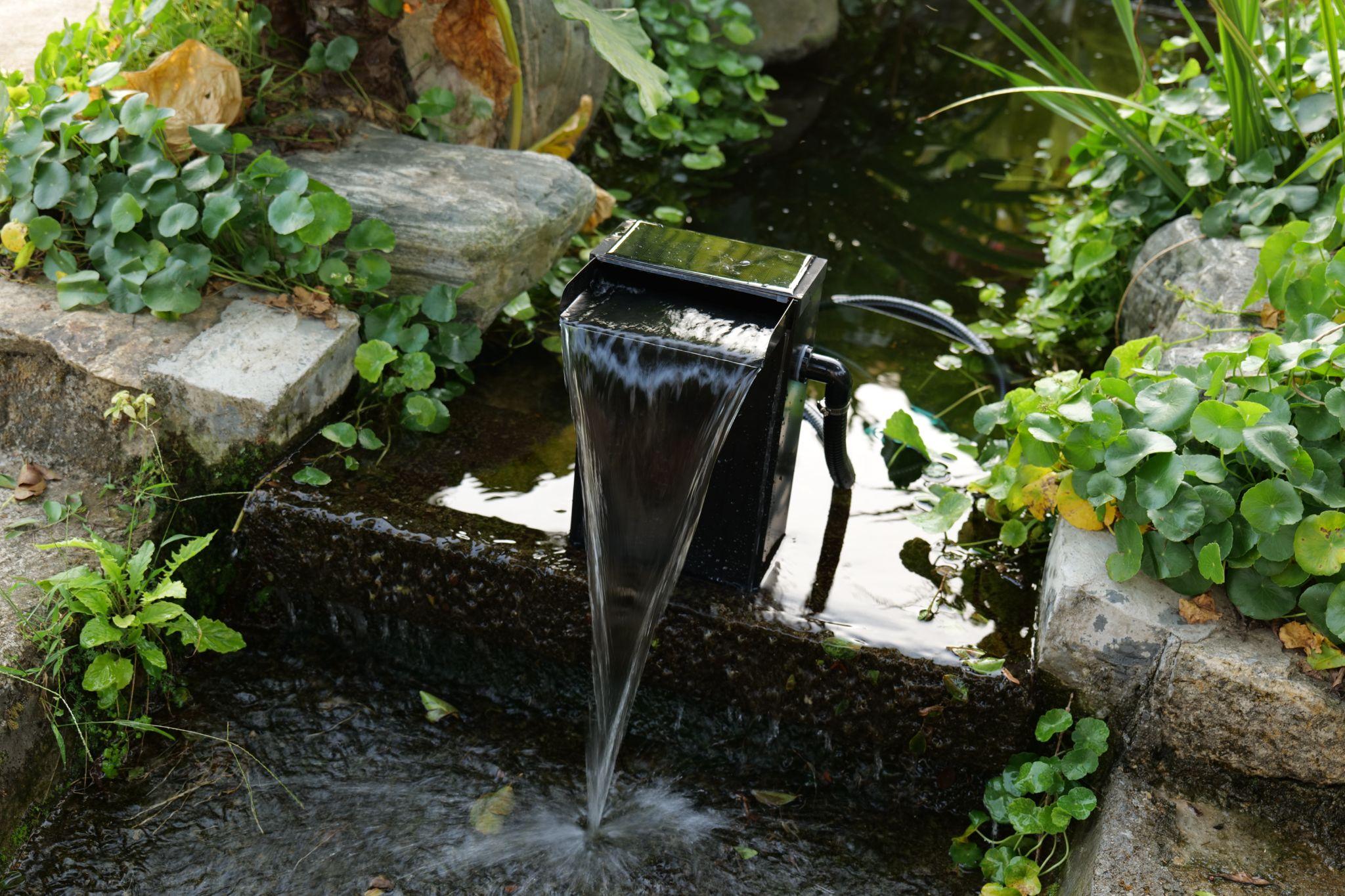
Water has a unique way of transforming outdoor environments. Even in small amounts, it introduces movement, sound, and a sense of calm that static landscapes often lack. Among the many ways people incorporate water into their gardens and ponds, waterfall kits have become a popular and practical choice. They offer a structured way to add flowing water without requiring advanced construction skills or complex planning.
Understanding the Purpose of Waterfall Kits
Waterfall kits are designed to help create a controlled flow of water that moves from a higher point back into a pond or basin below. While the exact components can vary, the purpose remains consistent: to introduce circulation and motion into a water feature.
For many people, the appeal lies in simplicity. Instead of building a waterfall entirely from scratch, waterfall kits provide a framework that makes the process more manageable. This allows pond owners and gardeners to focus on placement, natural materials, and overall design rather than technical challenges.
At their core, these kits are tools for shaping water behavior. They guide how water moves, where it falls, and how it returns, all of which influence the health and appearance of the pond.
Why Water Movement Is So Important
One of the most overlooked aspects of pond care is circulation. Still water can quickly develop problems. Debris settles at the bottom, oxygen levels drop, and algae may spread more easily. Over time, this can lead to cloudy water and unpleasant smells.
Waterfall kits address these issues by keeping water in constant motion. As water flows and splashes, it naturally absorbs oxygen from the air. This oxygen supports beneficial bacteria that help break down organic matter such as leaves and fish waste.
In ponds that contain fish, oxygen-rich water is essential for survival. In planted ponds, circulation helps distribute nutrients more evenly. In both cases, a waterfall improves overall balance, making the pond easier to maintain.
The Sensory Impact of Flowing Water
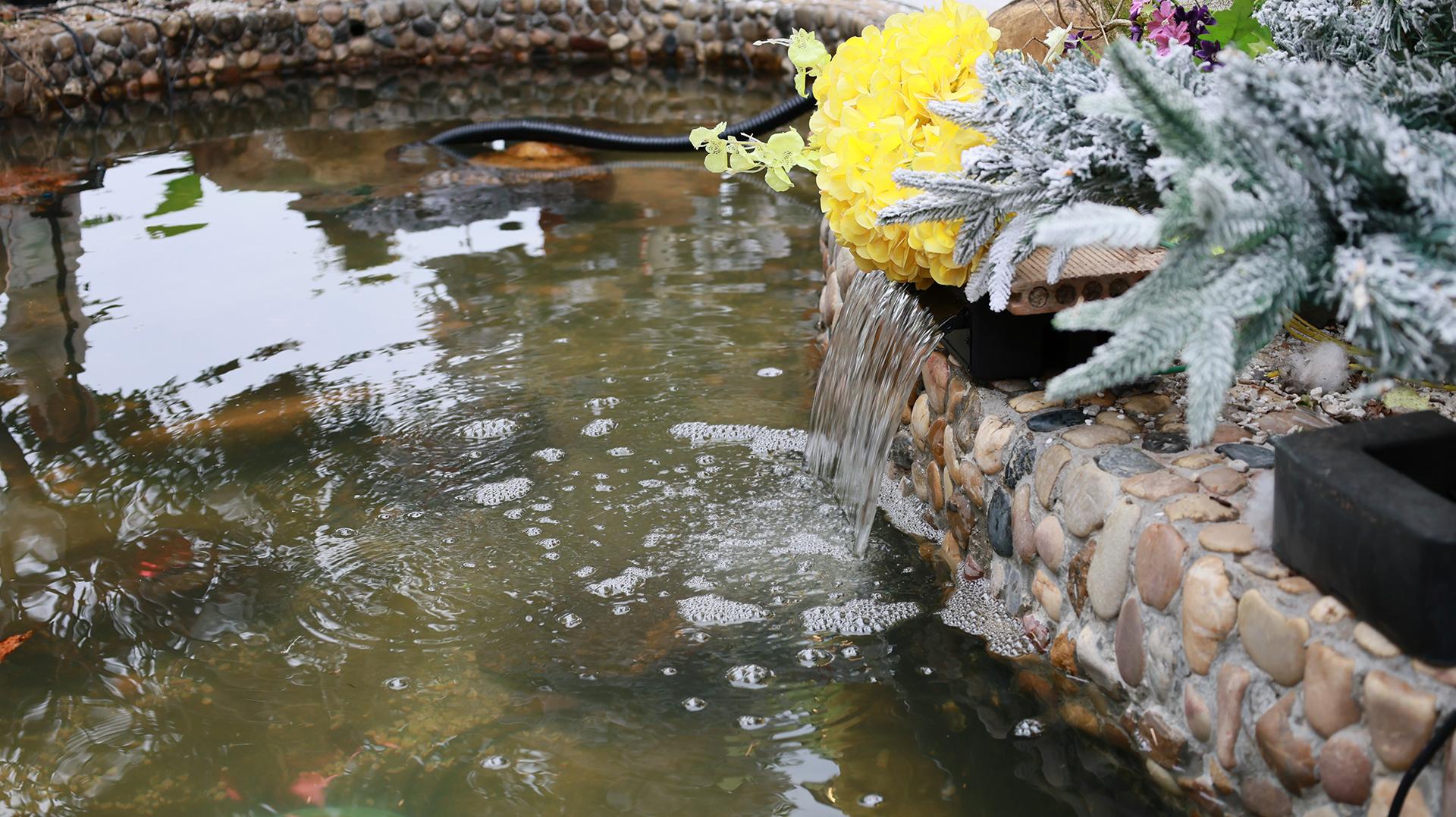
While functionality is important, the sensory benefits of waterfalls should not be underestimated. The visual movement of water draws attention and adds depth to a landscape. A pond with a waterfall often feels more alive than one with a flat, still surface.
Sound also plays a key role. The gentle noise of flowing water can soften harsh background sounds like traffic, nearby conversations, or mechanical noise. For many people, this sound becomes associated with relaxation and quiet focus.
Waterfall kits make it easier to achieve these effects in a controlled way. By guiding the water’s path, they help create consistent sound and movement that enhances the atmosphere without overwhelming the space.
Supporting Wildlife and Natural Behavior
Flowing water is more attractive to wildlife than still water. Birds are especially drawn to moving water, often stopping to drink or bathe. Insects and amphibians may also appear, contributing to a more diverse and active ecosystem.
By improving water quality and circulation, waterfall kits help create a safer environment for these visitors. Cleaner water reduces the risk of harmful buildup and supports the small organisms that form the base of a healthy pond ecosystem.
For people who enjoy observing nature, this increased activity adds another layer of enjoyment. A pond becomes more than a visual feature; it becomes a living part of the landscape.
Practical Reasons People Choose Waterfall Kits
One of the main reasons waterfall kits are widely used is accessibility. Not everyone has the time or experience to design a waterfall from raw materials. Kits offer a starting point that simplifies the process and reduces guesswork.
They also provide flexibility. Waterfall kits can be adapted to different pond sizes and styles, from natural-looking rock formations to more structured garden designs. This adaptability allows people to personalize their water feature while still relying on a proven setup.
Maintenance is another practical factor. Waterfalls help prevent debris from settling, which can reduce the need for frequent deep cleaning. While no pond is maintenance-free, moving water often makes care more manageable over time.
Design Considerations for Long-Term Success
When adding a waterfall, scale matters. A waterfall that is too large for a pond can cause excessive splashing and water loss. One that is too small may not provide enough circulation or visual impact.
Placement is equally important. The waterfall should feel like a natural extension of the pond rather than an afterthought. Rocks, plants, and surrounding terrain all influence how the feature looks and functions.
Seasonal changes should also be considered. Water levels, plant growth, and weather conditions can all affect how a waterfall performs throughout the year. Thoughtful planning helps ensure that the feature remains enjoyable in different seasons.
More Than Decoration: A Functional Upgrade
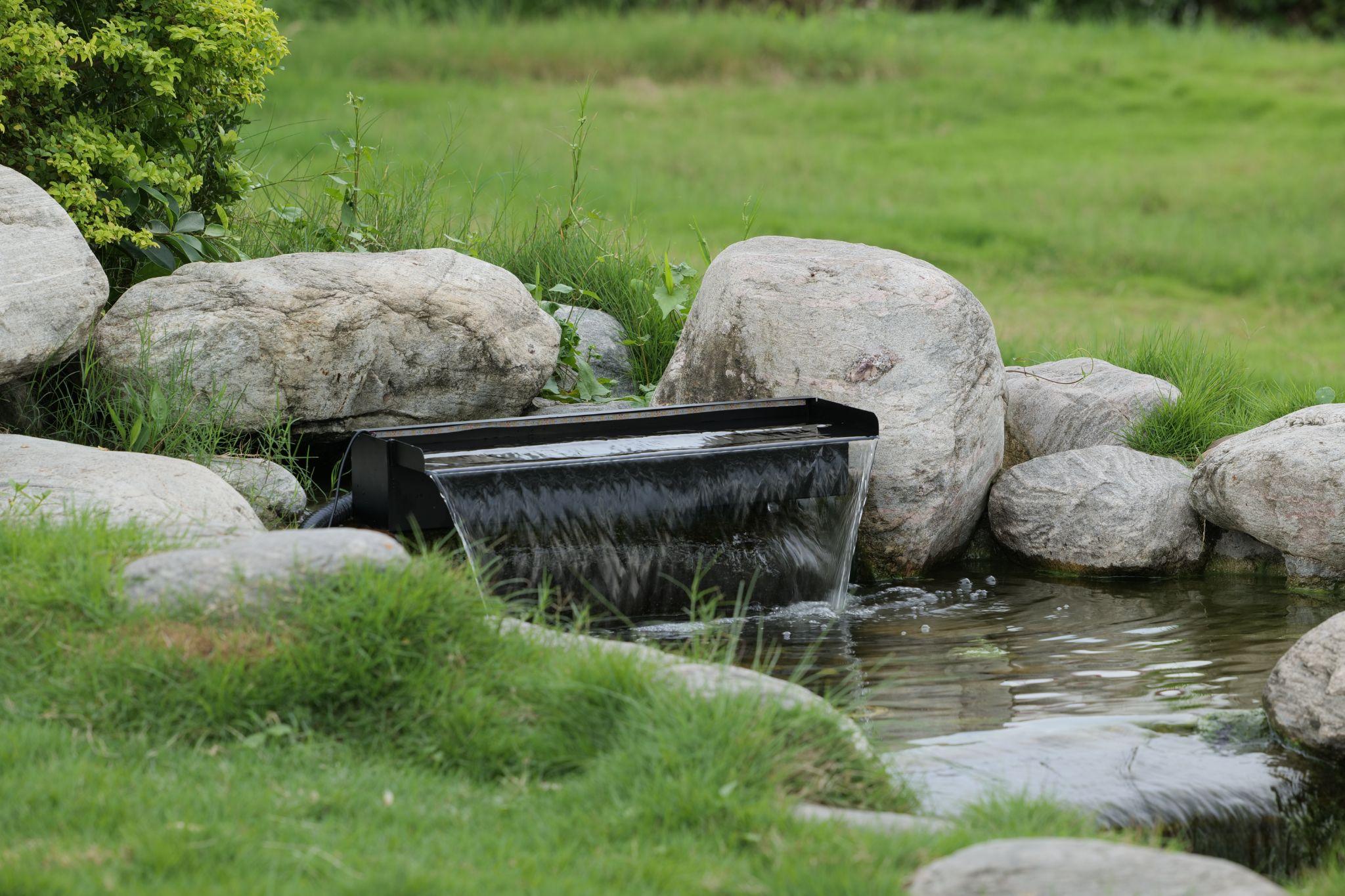
It’s easy to view waterfalls as purely decorative, but their role goes much deeper. Waterfall kits contribute directly to the health of a pond by improving circulation, oxygenation, and overall water quality.
They also shape how people experience outdoor spaces. The presence of flowing water encourages people to slow down, observe, and spend more time outdoors. In busy or noisy environments, this can make a noticeable difference in how a space feels.
Over time, a well-integrated waterfall often becomes the focal point of a garden or pond, not because it demands attention, but because it quietly enhances everything around it.
A Balanced Approach to Outdoor Water Features
Waterfall kits offer a balanced way to introduce movement, sound, and function into ponds and gardens. They combine practical benefits with sensory appeal, making them valuable additions rather than unnecessary extras.
By supporting healthier water conditions and encouraging interaction with nature, they serve both practical and emotional needs. For many people, this balance is what makes waterfalls such a lasting feature in outdoor design.
In the end, a waterfall is not just about how it looks. It’s about how it works, how it feels, and how it supports the life around it. Waterfall kits provide a thoughtful path toward creating outdoor spaces that are both functional and deeply enjoyable.