Key Takeaways
- Understand the role and core responsibilities of a Behavioral Technician.
- Review educational pathways and certification requirements for entry.
- Identify ways to gain experience and advance within the field.
- Discover the importance of networking and maintaining connections within the industry.
Embarking on a career as a Behavioral Technician opens doors to making a profound and lasting difference in the lives of individuals struggling with behavioral challenges. By supporting evidence-based therapy methods, a Behavioral Technician not only aids client progress but also finds immense personal and professional fulfillment. If you’re wondering what is a behavioral technician, you are not alone—this comprehensive guide breaks down all the essential steps, from foundational education to advanced career growth.
Whether you have a passion for psychology or want to help people thrive, entering this field can be both meaningful and impactful. The journey involves more than ticking boxes for qualifications; it’s about ongoing learning, practicing empathy, and building resilient skills. By focusing on client progress and collaborating with a knowledgeable team, you become part of a broad support network that uplifts lives every day.
Understanding the educational and certification requirements early in your exploration can lead to strategic decisions. Many future Behavioral Technicians begin with an interest in developmental psychology or behavioral science, channeling that curiosity into accredited training programs and supervised practice, all forming the backbone of a rewarding professional path.
As you prepare to enter this dynamic field, you’ll discover diverse settings for practical experience, from schools to clinics and beyond. The role not only addresses immediate behavioral issues but also fosters long-term positive changes for clients and communities. For authoritative insights into behavioral therapy and intervention, the American Psychological Association’s career guide provides valuable resources for both newcomers and seasoned professionals.
Understanding the Role of a Behavioral Technician
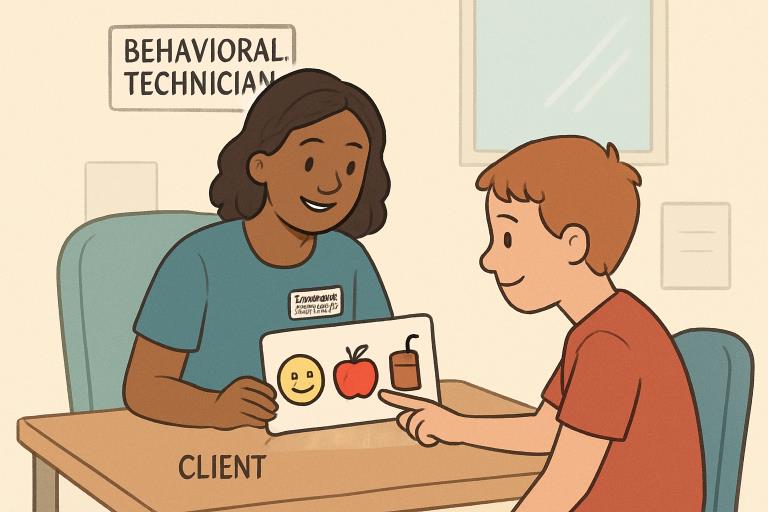
Behavioral Technicians are essential team members in behavioral health settings, most often working under the guidance of Board Certified Behavior Analysts (BCBAs). Their main goal is to implement behavior intervention strategies, record behavioral data, and track client progress toward treatment objectives. Typical daily tasks include leading therapy sessions, supporting clients with skill-building, addressing behavioral challenges, providing feedback to families, and supervising clinicians.
The role requires close observation, keen communication, and a compassionate demeanor. Since progress is measured in incremental steps, attention to detail is crucial for success. Behavioral Technicians also play a vital role in shaping the treatment agenda by accurately reporting observations and collaborating with multidisciplinary teams, which may include teachers, caregivers, and allied health professionals.
Educational Requirements
The minimum entry-level educational qualification for a Behavioral Technician is usually a high school diploma or equivalent, making this career widely accessible. However, aspiring professionals aiming to stand out may consider pursuing further studies in psychology, education, or behavioral sciences. Associate degrees or coursework in these areas can enhance an applicant’s foundational knowledge, critical thinking, and understanding of ethical guidelines, further preparing them for advanced training and future certification.
Additionally, many college and university programs now offer coursework or certificates in applied behavior analysis (ABA), providing a competitive edge and substantiated background. Prospective Behavioral Technicians who invest in their academic growth are well-positioned for advancement as the field’s scope expands.
Registered Behavior Technician (RBT) Training
Completing a 40-hour Registered Behavior Technician training program is a critical preparatory step. The curriculum encompasses a wide range of topics, including ethical considerations, best practices for data collection, skills assessment, professional conduct, and evidence-based behavior reduction strategies. These courses are widely available online and in hybrid formats, allowing students with other commitments to pursue this essential credential at their own pace.
Structured training not only provides a comprehensive foundation but also prepares candidates for the real-world scenarios they will encounter in clinical and educational settings. Success in these programs requires discipline, curiosity, and an eagerness to learn practical and theoretical aspects of behavioral intervention. For more details on the scope and standards of ABA practice, visit the Centers for Disease Control and Prevention’s autism treatment resource page.
Certification Process
Certification begins once the 40-hour training is complete. Aspiring Registered Behavior Technicians must demonstrate their practical skills through a competency assessment, overseen by a BCBA, which evaluates readiness for applied practice. The evaluation typically involves reviewing ethical scenarios, measuring responses, and completing hands-on tasks in behavioral intervention.
Upon passing the competency assessment, candidates may register for the RBT certification exam, which is administered by the Behavior Analyst Certification Board (BACB). This exam ensures that technicians have a firm grasp of ABA principles, documentation procedures, and intervention strategies necessary to provide safe and effective care in the field.
Gaining Practical Experience
Direct, supervised fieldwork underpins practitioner competency and instills professional confidence. New technicians are encouraged to seek placements in diverse environments, including medical clinics, public or private schools, and community support programs. Supervised volunteer experiences can be just as valuable as formal employment, especially for those building initial skills.
The feedback and mentorship provided by experienced BCBAs during this stage are crucial for refining analysis, establishing professional boundaries, and enhancing communication techniques. Documenting progress and engaging in reflective practice can help new professionals develop the presence and problem-solving abilities needed for a successful start.
Career Advancement Opportunities
The field of applied behavior analysis (ABA) is growing, offering numerous opportunities for professional advancement. With additional experience and further education, such as a bachelor’s or master’s degree in behavior analysis, psychology, or education, Behavioral Technicians may advance to roles like BCBA, clinical supervisor, or program manager. Advancement often depends on accumulating supervised clinical hours, investing in continuing education, and remaining engaged with emerging trends and technologies.
Specialization within areas such as autism spectrum disorders, childhood development, or technological applications like telehealth can also create new prospects and influence promotion potential. The professional flexibility and upward mobility in this field make it an appealing choice for those committed to lifelong learning and meaningful service.
Building a Professional Network
Networking is critical in behavioral health professions. By joining online forums, attending professional development conferences, and connecting with mentors or leaders in the field, technicians can gain access to job leads, new methodologies, and industry updates. Active participation in professional associations, such as the Association for Behavior Analysis International (ABAI), is highly recommended for those committed to ongoing professional development and advanced credentials.
Moreover, building relationships with colleagues and supervisors not only boosts career prospects but also helps sustain motivation and professional satisfaction. As the field continues to grow, a strong network is essential for staying current and resilient during industry shifts.
Conclusion
Starting a career as a Behavioral Technician offers a tangible way to make a positive impact while growing both personally and professionally. By following this structured approach—beginning with education, securing certifications, gaining hands-on experience, and building strong professional relationships—you’ll embark on a path that brings growth and fulfillment in equal measure. This career invites compassionate individuals to be part of something bigger: creating better outcomes for those in need, every step of the way.