Meet the Charging Levels: What They Mean on Real Roads
Charging levels are like bicycle gears—each has a speed and purpose. Level 1 charging drips energy into your battery from a household socket, excellent for low-mileage drivers or overnight garaged cars. Level 2, the home-workhorse, requires a dedicated 240V circuit, delivers more power, and reduces “empty to ready” to one evening. DC rapid charging, accessible at commercial stations, injects high-voltage direct current to get you back on the road in under an hour. It’s great for road trips or time-critical top-ups, not daily battery care.
If your travel is short and schedule predictable, Level 1 may suffice. Most drivers choose Level 2—faster, adaptable, and tailored for daily living. DC rapid charging works great for distances but requires too much hardware and grid power for most homes.
Plug Types and Vehicle Compatibility
Chargers are not one-size-fits-all; connector types matter. Many vehicles use Type 1 (often called J1772) for AC charging, while others rely on Type 2 (commonly used in Europe and many global markets). For rapid charging, most modern EVs use CCS (Combined Charging System), which adds high-speed DC pins alongside the AC interface. Some models may support other standards, so it’s worth confirming what your vehicle prefers before you buy.
Using the wrong plug or an incompatible adapter can slow charge times or cause frustration. Check your car’s manual or the manufacturer’s guidance to match the right plug, cable, and charger power rating. The goal is seamless charging: plug in, power flows, no drama.
How Fast Is Fast Enough? Matching Speed to Your Routine
Speed fits your lifestyle, not just your flex. Charging speeds are measured in kilowatts (kW) and amperage (A), which affects how your home circuit manages the load. Most drivers can recharge their batteries overnight with a 32A or 40A Level 2 charger, even after extended drives. If your wiring and panel can handle it, 48A units can save time if you drive a lot.
Consider your rhythm. A 7.2–9.6 kW Level 2 charger can handle evening and morning charging. If your EV sits midday, charging it slower off-peak can save money without sacrificing convenience. DC rapid charging is your “weekend warrior,” excellent for city crossings, not driveway parking.
Installation: Power, Panels, and Where the Cable Falls
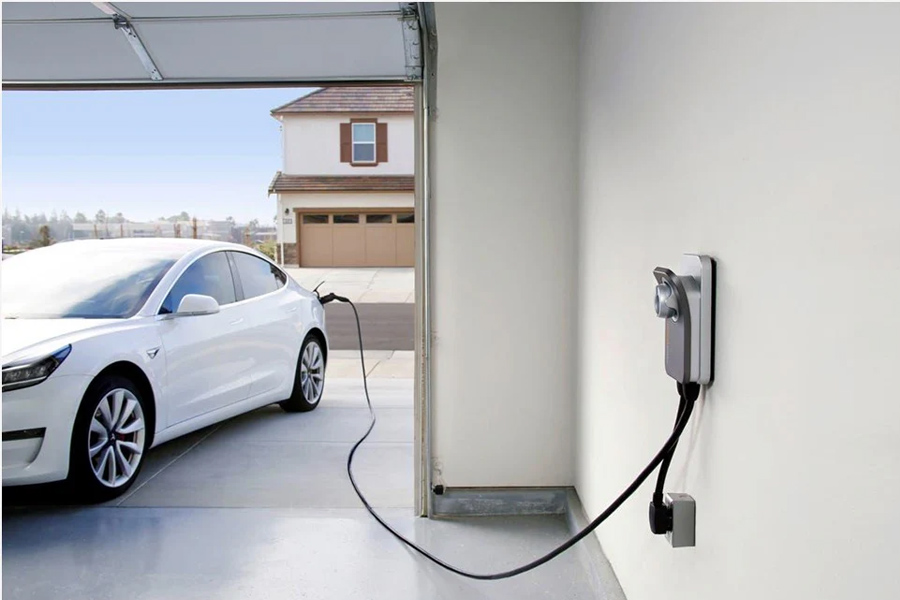
Installing a Level 2 charger is straightforward when planned well. You’ll likely need a dedicated circuit, a properly sized breaker, and wiring that matches the charger’s amperage. The choice between plug-in (NEMA-style outlet) and hardwired installation matters: plug-in offers flexibility and easier relocation, while hardwired typically allows higher amperage and a cleaner, permanent setup.
Location is about more than proximity to the car. Consider where your panel sits, the path of the cable, and how you’ll manage the cord day-to-day. Weather exposure matters too—look for outdoor-rated enclosures if your charger will live on an exterior wall. Cable length is a small detail with big impact: too short and you’re playing driveway Tetris; too long and you’re coiling spaghetti every night. Aim for a length that reaches your charge port comfortably without tripping hazards. And yes, bring in a licensed electrician—correct installation protects your home, your vehicle, and your warranty.
Smart Charging and Energy Efficiency
Smart chargers make EVs smart power users. App control lets you plan charging at off-peak rates, monitor energy use, and cap amperage to avoid tripping breakers when the oven and AC are on. Multi-EV families may intelligently throttle charge to keep lights on and cars happy with load balancing.
If you’ve got solar, pairing your charger with daytime generation can turn sunshine into miles. Some chargers can prioritize surplus solar and minimize grid draw, which is brilliant for lowering costs and shrinking your footprint. Even without panels, time-of-use scheduling makes a tangible difference: charging at night often costs less, and your battery will be topped off by breakfast.
Portability, Cables, and Everyday Practicality
Portable Level 1 and Level 2 chargers are EV life’s Swiss army knives for apartments, travel, and interim setups. Most have adjustable amperage so you can reduce electricity in a small outlet. Consider weight, cord flexibility in cold weather, and stowability when shopping. Clean holsters and cable brackets make daily charging easy.
Ergonomics matter for wallboxes. A strong holster, clear status lights, and a responsive app make plugging in easy. Choose a charger with a good weather rating and a winter-resistant cord if you park outside. Plug in, leave, and let electrons charge discreetly with a clever arrangement.
Safety Features That Matter
Good chargers guard. Seek overcurrent, ground-fault, temperature monitoring, and abnormal-condition cutoff. Thermal management prevents plug and charger overheating, especially during long, high-amperage sessions. Quality connectors, cable strain relief, and a sturdy housing reduce wear and tear.
Certification marks from recognized testing bodies indicate the unit has been vetted for electrical safety. Pair that with correct installation—proper breaker sizing, correct gauge wiring, and a dedicated circuit—and your home charging becomes as dependable as flipping on a light switch. Don’t forget the simple habits: inspect cables for damage, keep connectors dry and clean, and mount gear at a height that avoids puddles and snow.
Future-Proofing: Buying Once, Charging for Years
EVs evolve fast, and a charger that keeps pace is worth the investment. Consider a charger with adjustable amperage: it can run gently on your current panel and ramp up later if you upgrade. A unit that supports software updates stays fresh with new features and compatibility improvements. If you anticipate a second EV, look for load-sharing capabilities or dual-port options to avoid electrical panel upgrades.
Cable reach and connector standards matter for future vehicle choices too; a versatile setup prevents headaches if your next EV has a different charge-port location. Think about where you might expand—adding solar, updating your panel, or rearranging the garage—and pick a charger that can flex with you rather than boxing you in.
FAQ
Can I install a Level 2 charger myself?
You should use a licensed electrician to ensure proper wiring, breaker sizing, and code compliance. Safe installation protects your home and preserves equipment warranties.
Is a portable Level 2 charger as good as a wallbox?
Portable units are versatile and powerful, but wallboxes often support higher amperage, cleaner cable management, and better weather protection for everyday use.
How much amperage do I need for a home charger?
For most drivers, 32–40 amps is plenty for overnight charging; heavy-mileage users may prefer 48 amps if their panel and wiring support it.
Will DC fast charging hurt my battery?
Frequent high-speed DC charging can increase battery wear over time, so use it for trips and emergencies while relying on Level 2 for daily charging.
Do I need a separate circuit for a Level 2 charger?
Yes, a dedicated circuit ensures consistent power delivery and prevents overloading when other appliances are running.
What’s the ideal cable length for home use?
Aim for 18–25 feet so you can reach the charge port without stretching or crossing walkways; shorter cables are tidier but less flexible.
Can I charge from a regular outlet safely?
Yes, Level 1 charging from a standard outlet is safe when the outlet is in good condition and the circuit isn’t overloaded; expect slow charge rates.
Are smart chargers worth the extra cost?
If you have time-of-use rates, solar, or multiple EVs, smart features can save money and add convenience, making them a strong value for daily life.