In any office environment, plumbing infrastructure operates as a critical but often overlooked system. When it functions properly, employees barely notice it. When it fails, productivity grinds to a halt. A burst pipe can flood workspaces, forcing evacuations, shares RentWise Property Company. Persistent leaks drive up utility costs while damaging walls and flooring. Clogged drains in shared restrooms create unsanitary conditions that affect morale and health.
For businesses in Georgetown, TX, maintaining efficient plumbing systems requires more than reactive repairs. It demands a strategic approach that combines regular maintenance, prompt problem-solving, and an understanding of how commercial plumbing differs from residential work. This article examines how professional plumbing services contribute to office efficiency, what services matter most for commercial spaces, and how businesses can make informed decisions about their plumbing infrastructure.
The Commercial Plumbing Landscape in Georgetown
Commercial plumbing systems face demands that residential setups rarely encounter. Office buildings typically serve dozens or hundreds of people daily, placing constant stress on fixtures, pipes, and water heaters. The complexity increases with multi-story buildings, where water pressure must remain consistent across floors and drainage systems must handle significantly higher volumes.
Professional plumbers working in commercial environments address several core challenges:
- Leak detection and repair: Small leaks can waste thousands of gallons annually while causing structural damage that compounds over time.
- Pipe installation and replacement: Aging infrastructure requires strategic upgrades to prevent catastrophic failures during business hours.
- Water heater maintenance: Commercial water heaters must deliver consistent hot water throughout the day, requiring different maintenance protocols than residential units.
- Drainage system management: High-traffic restrooms and break rooms generate waste that can overwhelm poorly maintained drainage systems.
Core Services That Protect Office Operations
Commercial plumbing encompasses a broad range of services, but certain interventions deliver disproportionate value for office environments. Understanding which services matter most helps businesses allocate maintenance budgets effectively.
Preventive Maintenance Programs
Scheduled maintenance represents the most cost-effective approach to plumbing management. Regular inspections catch minor issues—a slowly dripping faucet, a toilet that runs intermittently, a water heater showing early signs of sediment buildup—before they become expensive emergencies.
Drain Cleaning and Management
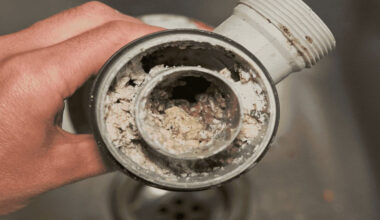
Office drains accumulate debris differently than residential systems. Break room sinks collect coffee grounds and food particles. Restroom drains deal with paper products and hygiene items. Over time, these materials create blockages that slow drainage and eventually cause backups.
Professional drain cleaning uses methods appropriate to the blockage type and pipe material. Hydro-jetting clears stubborn obstructions with high-pressure water streams, while mechanical snaking handles simpler clogs. The key is addressing drainage issues before they force restroom closures or create unsanitary conditions.
Fixture Upgrades and Water Efficiency
Modern plumbing fixtures deliver significant efficiency improvements over older models. Low-flow toilets, sensor-activated faucets, and efficient water heaters reduce consumption without compromising performance. For offices looking to reduce operating costs or meet sustainability goals, fixture upgrades represent a practical starting point.
In many cases, water savings alone justify the investment within a few years, with the added benefit of reduced strain on water heating systems.
When to Call Professionals vs. Handling Issues In-House
Not every plumbing issue requires immediate professional intervention, but knowing where to draw that line prevents small problems from becoming major disruptions. Office managers and facilities staff can handle certain minor issues with basic tools and knowledge.
Issues Suitable for In-House Response
- Minor drain clogs: A plunger often clears simple toilet or sink blockages caused by excessive paper or debris.
- Running toilets: Adjusting or replacing a flapper valve takes minutes and stops water waste immediately.
- Dripping faucets: Replacing worn washers or O-rings can stop leaks, though this requires shutting off water supply lines.
- Low water pressure from aerators: Mineral deposits on faucet aerators restrict flow; cleaning or replacing them restores pressure.
Issues Requiring Professional Service
More complex problems demand professional expertise and specialized equipment. Attempting DIY repairs on these issues often worsens the situation:
- Persistent leaks: Leaks that continue after basic repairs may indicate pipe corrosion or joint failures requiring replacement.
- Sewer line problems: Backups affecting multiple fixtures suggest main line blockages that need professional diagnosis and clearing.
- Water heater issues: Commercial water heaters operate under different pressures and temperatures than residential units; repairs require specific training.
- Pressure fluctuations: Inconsistent water pressure across a building may indicate supply line problems or pressure regulator failures.
Property owners facing complex plumbing issues should contact professional plumbing services from Quality Cooling Heating & Plumbing, Rooter Hero, or Service Champions.
The Environmental and Financial Case for Efficient Plumbing
Water efficiency delivers benefits that extend beyond utility bill savings. In regions facing water scarcity or rising water costs, efficient plumbing systems represent both environmental responsibility and sound financial management.
Quantifying Water Waste
The numbers around water waste are striking. A toilet that runs continuously can waste 200 gallons per day. A faucet dripping once per second wastes over 3,000 gallons annually. Multiply these figures across an office building with dozens of fixtures, and the waste becomes substantial.
Commercial buildings can reduce water use by 20% or more through leak repairs and efficiency upgrades. For a mid-sized office, this translates to thousands of dollars in annual savings.
Energy Savings from Reduced Hot Water Demand
Water efficiency also reduces energy consumption. Every gallon of hot water saved eliminates the energy needed to heat it. For offices with electric water heaters, this creates a double benefit: lower water bills and reduced electricity costs.
Efficient fixtures and leak repairs decrease the load on water heating systems, extending their lifespan and reducing maintenance frequency. The cumulative effect makes water efficiency one of the most cost-effective sustainability measures available to office managers.
Selecting a Commercial Plumbing Partner
The relationship between a business and its plumbing contractor differs from typical residential service. Commercial work requires faster response times, greater coordination with building operations, and expertise in systems that serve many people simultaneously.
Essential Qualifications
When evaluating plumbing companies for commercial work, several factors separate adequate providers from exceptional ones:
- Commercial experience: Residential plumbing skills don’t automatically transfer to commercial environments; look for contractors with documented commercial project experience
- Licensing and insurance: Verify that contractors carry appropriate commercial liability insurance and hold current licenses for commercial work
- Emergency response capabilities: Plumbing emergencies don’t respect business hours; contractors should offer 24/7 emergency service with guaranteed response times
- Service range: A single contractor who can handle everything from routine maintenance to major installations simplifies vendor management
- Local knowledge: Familiarity with Georgetown’s water systems, building codes, and permit processes accelerates project completion
Evaluating Service Quality
Beyond credentials, service quality determines whether a plumbing relationship succeeds long-term. Strong commercial plumbing contractors demonstrate several characteristics:
- Clear communication: They explain problems in understandable terms, present options with honest cost-benefit analysis, and keep clients informed throughout projects
- Proactive recommendations: Rather than simply fixing immediate problems, they identify potential issues and suggest preventive measures
- Minimal disruption: They schedule work to minimize impact on business operations and complete projects efficiently
- Transparent pricing: They provide detailed estimates before starting work and explain any changes that arise during projects
Specialized Considerations for Restrooms and Break Rooms
Two areas of office plumbing deserve particular attention due to their high usage and visibility: restrooms and break rooms. Problems in these spaces affect employee satisfaction and can create health concerns if not addressed promptly.
Restroom Plumbing Priorities
Office restrooms endure constant use, making them prone to specific issues. Toilets face frequent flushing cycles that stress internal components. Sinks deal with soap residue and paper towels that shouldn’t enter drains but often do. Proper restroom plumbing maintenance focuses on:
- Regular fixture inspections: Checking toilets, urinals, and faucets for leaks, loose connections, and worn components
- Drain maintenance: Periodic cleaning prevents the buildup of soap, hair, and debris that causes slow drainage
- Water pressure optimization: Ensuring adequate pressure for proper toilet flushing and hand washing without excessive force that damages fixtures
Break Room Plumbing Challenges
Break room plumbing serves different functions than restrooms but faces its own challenges. Sinks handle food waste, coffee grounds, and grease—materials that can quickly clog drains if not managed properly. Dishwashers and ice makers add complexity, requiring dedicated water lines and drainage.
Effective break room plumbing management includes grease trap maintenance where applicable, regular drain cleaning to prevent food buildup, and ensuring that garbage disposals (if present) operate correctly and receive appropriate use.
Building a Sustainable Plumbing Strategy
Efficient office plumbing doesn’t result from a single intervention but from an ongoing strategy that balances maintenance, upgrades, and responsive repairs. Businesses that treat plumbing as a managed system rather than a reactive expense consistently achieve better outcomes.
This approach starts with establishing a relationship with a qualified commercial plumbing contractor before emergencies arise. Regular maintenance visits create opportunities to identify and address minor issues, plan necessary upgrades, and build institutional knowledge about a building’s specific plumbing characteristics.
Documentation plays an important role. Maintaining records of repairs, replacements, and maintenance activities helps identify patterns, plan capital improvements, and ensure that warranty periods are tracked and utilized.
Finally, employee education reduces preventable plumbing problems. Simple guidelines about what shouldn’t go down drains, how to report leaks promptly, and when to call for help can prevent many common issues that disrupt office operations.
For Georgetown businesses, investing in professional plumbing services and preventive maintenance delivers returns through reduced emergency repairs, lower utility costs, and the peace of mind that comes from reliable infrastructure. In an environment where every operational disruption affects productivity, efficient plumbing systems provide a foundation that allows businesses to focus on their core work rather than facilities crises.