Living Green Where Water Runs Thin
How do you plan for tomorrow in a place that tests you every single day? In Arizona, sustainability isn’t a nice-to-have—it’s survival strategy. The state’s cities live with a triple constraint: searing heat, scarce rainfall, and fast-growing populations that want reliable power, safe streets, and room to breathe.
Pressure has shaped city-making. Climate planning include water, shade, energy, mobility, legislation, and neighborhood-level design, not just recycling bins and solar panels. Pavement, tree and building orientation become important when the mercury rises and the monsoon fails. Arizona’s solution is practical and creative: chill the streets, bank the rain, electrify everything you can, and prepare for comfort without wasting a drop.
Across the Valley and beyond, communities are learning to use constraint as a compass. The result is a set of living laboratories for heat mitigation, water stewardship, and resilient infrastructure that feel both advanced and approachable.
Phoenix: Designing Shade, Safety, and Smarter Streets
Phoenix knows heat like few cities do, and it’s turning that reality into a design brief. Cooling starts at the block level: shaded corridors stitched between bus stops, schools, and shopping; reflective and “cool” pavement that bounces more sunlight back into the sky; and a steadily expanding urban canopy that targets neighborhoods with the least shade.
Energy efficiency rides shotgun. Public buildings are being revamped with high-performance envelopes and smarter controls, while peak‑hour demand strategies shave load when the grid needs it most. On the water side, drought‑tolerant landscapes and leak‑detecting meters help the city stretch every gallon without sacrificing street-level comfort.
Mobility is climate-friendly too. New bike lanes and slower, human-scaled streets enhance safety and appeal of active mobility. Local solicitors generally emphasise that safer design prevents injuries before a case is filed. Phoenix’s move towards shaded bike routes, connected walkways, and transit-oriented housing is more than aesthetic—it softens car reliance, reducing pollutants, noise, and curb-level heat.
Tucson: Water Whisperers with Sun on the Roof
Tucson has a long memory for drought, and that’s made it a teacher. The city treats rainfall like a gift and runoff like a resource, nudging homes, schools, and businesses toward rainwater harvesting, greywater reuse, and landscaping that drinks little but thrives in desert light. Rebates and how‑to workshops turn conservation into community practice, while building and site standards make sure new projects respect the hydrologic reality.
With all that sunlight, Tucson doubles down on solar. Rooftop arrays, shade structures with panels, and solar‑ready design help households and campuses generate clean power close to where it’s used. It’s a simple formula—use less, make your own, share with the grid when you can—and it’s surprisingly powerful in a city where summer can run long.
Tucson’s vibe is grassroots-meets-technical: citizen scientists, neighborhood leaders, and city staff swapping notes on swales, native trees, and best-in-class inverters. The outcome is a slow, steady build of resilience that feels lived-in rather than top‑down.
Scottsdale: High-End Desert Living with a Low Footprint
Scottsdale polishes desert sustainability. Development guidelines prioritise energy-efficient building, smart irrigation, and UV-enduring materials. Luxury design prioritises functionality over indulgence, with high-cool roofs, low-water courtyards, and resort landscapes emphasising shade trees and native texture over thirsty lawns.
Public spaces carry the same ethos. Trails and parks are staged with drought‑tolerant plantings and efficient controllers, while civic projects fold in green building practices as a baseline, not a brag. For visitors, the experience is seamless: comfortable, photogenic, and unmistakably Sonoran.
Scottsdale’s message is subtle but strong—sustainability can elevate a place’s character. Done right, it’s a long‑term asset that protects the desert aesthetic, keeps operating costs in check, and adds resilience without sacrificing the city’s signature glow.
Tempe + Mesa: Data-Driven Climate Grit
Tempe and Mesa are metro “do the work” cities, focused with data and execution. Tempe’s climate plans incorporate shade coverage, clean mobility, and emissions cuts into everyday decisions—fleet upgrades, building retrofits, and heat equity to get cooling where it’s needed.
Mesa is charting a complementary path with investments in renewable energy, grid‑friendly facilities, and electrified transit that chips away at tailpipe emissions. The cities are practical: progress doesn’t always require expansion; sometimes the smartest move is optimizing what you’ve already built—refining bus routes, tuning building systems, or planting trees where people actually walk.
Collaboration is their secret ingredient. Universities, utilities, neighborhood groups, and city agencies share data, test materials, and iterate on designs—from permeable alleys to cool coatings—until the results hold up in the field. It’s civic R&D with a community heartbeat.
Living with Heat: Design Moves that Matter
Arizona’s playbook turns small design choices into big comfort wins:
- Shade first. Trees, canopies, and arcades lower radiant heat and make walking realistic nine months a year.
- Cool surfaces. Light‑colored roofs and pavements cut surface temps and reduce heat radiating into homes and sidewalks.
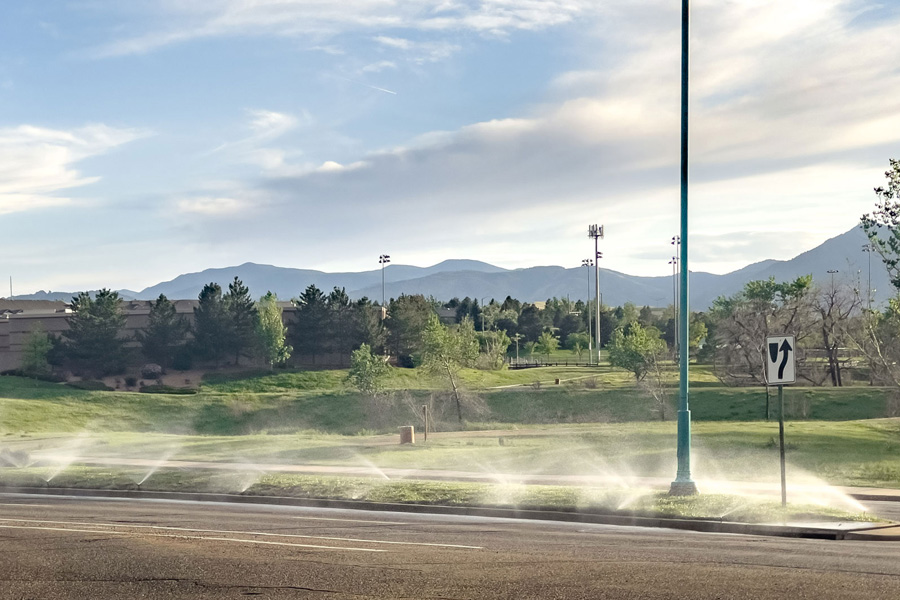
- Water budgeting. Meter tech, tiered pricing, and leak alerts keep waste in check and stretch supplies through dry cycles.
- Native + edible landscaping. Deep‑rooted desert plants stabilize soil and sip water; community gardens bring food closer to home with smart irrigation.
- Distributed energy. Rooftop solar, storage, and demand response smooth peaks and give neighborhoods a measure of independence when the grid is stressed.
Every tactic is small on its own; together, they add up to a city that feels calmer when the forecast gets loud.
Lessons Beyond the Sonoran: What Others Can Borrow
Arizona proves that resilience isn’t a single project—it’s an attitude backed by everyday choices. Start where the strain is highest: heat relief in public spaces, honest accounting of water, and power systems that flex with demand. Build partnerships that make the changes stick, and aim for upgrades that neighbors can feel on the sidewalk, not just read about in a plan.
The main lesson is refreshingly practical: growth doesn’t require flawless conditions. Clear priorities, climate-sensitive architecture, and a culture that integrates sustainability into shade trees, bus shelters, rooftops, and city life are needed.
FAQ
Is solar actually practical in Arizona’s cities?
Yes—abundant sunshine and net-metering options make rooftop and canopy solar a natural fit for homes, schools, and businesses.
How do cities cool streets without using tons of water?
They pair shade trees and structures with cool pavements and lighter roofing, reducing radiant heat and surface temperatures while conserving water.
Does water reuse affect quality for households?
Reused water is typically treated for its specific purpose, with potable supplies kept separate and closely monitored for safety.
Are bike lanes really safer in extreme heat?
Protected, shaded routes reduce crash risk and heat exposure, making cycling more comfortable and predictable for riders.
Can luxury development still be sustainable?
Yes—energy-smart buildings, drought-tolerant landscaping, and efficient water systems can elevate comfort while shrinking environmental impact.
Are heat waves getting worse in Arizona?
Many cities are seeing more frequent and intense heat events, which is why shade, cooling design, and resilient infrastructure are front and center.
Do tree canopies make a noticeable difference?
Absolutely—well-placed shade trees can cut sidewalk temperatures dramatically and lower nearby building cooling loads.
Is growth compatible with water scarcity?
With strict conservation, smart pricing, and reuse technologies, cities can accommodate growth while respecting finite water supplies.