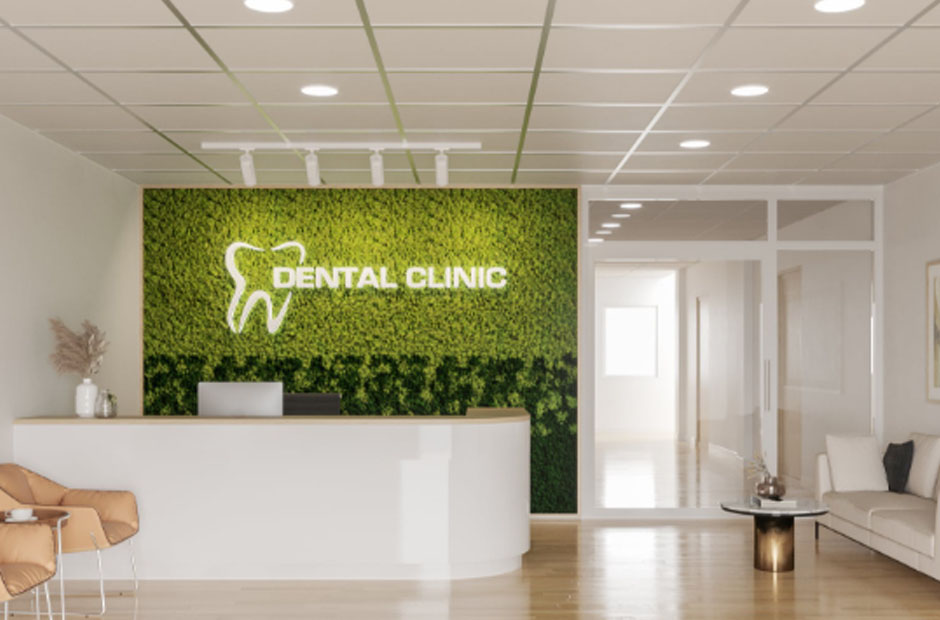
The Green Revolution Transforming Dental Practices
The dental industry has witnessed a remarkable transformation in recent years, with forward-thinking practitioners embracing innovative approaches to enhance patient experiences. Among these developments, biophilic design has emerged as a particularly compelling strategy that seamlessly blends nature-inspired elements with modern healthcare environments. This design philosophy, which incorporates natural materials, living plants, and organic forms into built spaces, is revolutionising how dental practices approach both patient care and dental marketing.
Biophilic design represents far more than a passing aesthetic trend; it embodies a fundamental understanding of humanity’s innate connection to the natural world. When dental practices integrate these principles into their physical spaces, they create environments that naturally reduce anxiety, promote healing, and establish a distinctive brand identity that resonates deeply with patients seeking a more holistic healthcare experience.
Understanding Biophilic Principles in Healthcare Settings
The concept of biophilia, literally meaning “love of life,” was popularised by biologist Edward O. Wilson, who proposed that humans possess an instinctive affinity for nature and living systems. In dental practice design, this translates into creating spaces that mirror natural environments through various elements including living walls, water features, natural lighting, and organic architectural forms.
Research consistently demonstrates that exposure to natural elements can significantly reduce stress hormones, lower blood pressure, and enhance overall wellbeing. For dental patients, who often experience heightened anxiety during appointments, these benefits prove particularly valuable. Practices that successfully implement biophilic design principles often report improved patient satisfaction scores and increased treatment acceptance rates.
Key Elements of Biophilic Dental Design
- Living plant installations and green walls that purify air whilst creating visual interest
- Natural lighting solutions that complement circadian rhythms and reduce artificial glare
- Water features that provide soothing auditory experiences and improve air quality
- Natural materials such as wood, stone, and bamboo that create tactile connections to nature
- Organic colour palettes inspired by natural landscapes and seasonal variations
Marketing Advantages of Nature-Inspired Practice Design
Contemporary patients increasingly value healthcare providers who demonstrate environmental consciousness and prioritise patient wellbeing beyond clinical excellence. Biophilic design serves as a powerful differentiator in competitive markets, enabling practices to communicate their values through their physical environment. This approach to practice design naturally generates compelling content for social media platforms, website galleries, and patient reviews.
The visual appeal of nature-inspired dental spaces creates numerous opportunities for authentic marketing content. Patients frequently share photographs of beautifully designed waiting areas and treatment rooms on social media platforms, generating organic promotional material that reaches potential patients within their personal networks. This word-of-mouth marketing proves particularly effective because it comes from trusted sources rather than traditional advertising channels.
Patient Experience and Brand Positioning
Practices that embrace biophilic design principles often find themselves positioned as premium, patient-centred providers who prioritise comfort and wellbeing. This positioning allows for strategic pricing strategies and attracts patients who value quality experiences over purely cost-driven decisions. The distinctive nature of these environments also enhances patient retention, as individuals develop positive associations with the practice environment that extend beyond clinical outcomes.
Furthermore, successful examples of biophilic design in healthcare and dental clinics demonstrate how these environments can significantly reduce patient anxiety and create memorable experiences that encourage referrals and positive online reviews.
Implementation Strategies for Dental Practices
Successfully integrating biophilic design elements requires careful planning and consideration of both aesthetic and functional requirements. Practices should begin with small-scale implementations, such as introducing air-purifying plants or incorporating natural materials into reception areas. These initial changes allow teams to assess patient responses whilst building confidence in larger-scale transformations.
The integration of technology with natural elements presents exciting opportunities for modern dental practices. Digital displays can showcase nature scenes or seasonal changes, whilst smart lighting systems can mimic natural daylight patterns throughout the day. Embracing biophilic design in dentistry for enhanced patient wellbeing has proven particularly effective when combined with thoughtful technology integration.
Maintenance considerations remain crucial for successful implementation. Living elements require ongoing care, and practices must ensure that natural materials can withstand the rigorous cleaning protocols required in healthcare environments. Biophilic design in healthcare settings requires specific expertise to balance aesthetic appeal with infection control requirements.
Future Prospects for Nature-Inspired Dental Marketing
The convergence of biophilic design and marketing represents a significant opportunity for practices seeking sustainable competitive advantages. As environmental consciousness continues to influence consumer behaviour, practices that authentically integrate natural elements into their brand identity will likely experience enhanced patient loyalty and improved market positioning. This approach to practice design and marketing strategy reflects broader societal shifts towards wellness-focused healthcare experiences that prioritise both clinical excellence and environmental harmony.