Setting the Scene: What Siding Really Does
Siding protects your property from the elements and sets the mood. The correct material blocks rain, sun, wind, and gives your architecture a good look. Whether you want rustic charm, modern minimalism, or something timeless, your siding should balance style, durability, maintenance, and climate. Let’s browse the selection like experts and find a material that suits your home’s style and performance.
Vinyl Siding
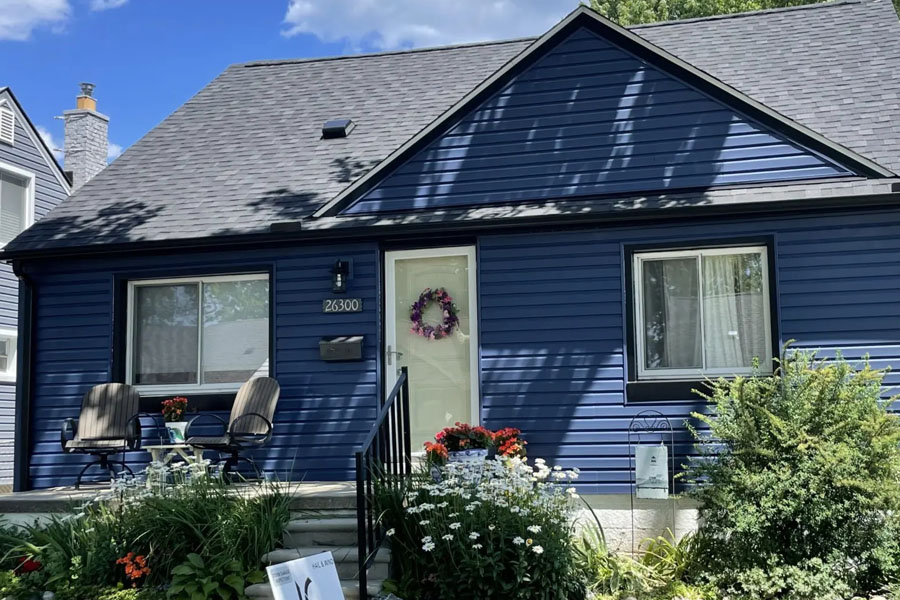
Vinyl is the crowd-pleaser for a reason: affordable, adaptable, and famously low-maintenance. It’s color-through, so you skip repainting, and it cleans up with a bucket of suds and a garden hose. Modern vinyl comes in profiles that mimic wood grain and even board-and-batten for a tailored farmhouse effect.
Insulated options add a foam backer that boosts energy performance and stiffens panels to reduce waviness. In very cold climates, opt for higher impact ratings to resist brittleness, and in hot sun, look for fade-resistant capstock finishes. Done right, vinyl delivers reliable curb appeal without stealing your weekends.
Fiber Cement Siding
Fiber cement is the heavyweight champion—literally and figuratively. Made of cement, sand, and cellulose, it’s noncombustible, resists rot and termites, and holds paint beautifully for a polished finish that lasts. It can play chameleon, convincingly imitating wood, stucco, or stone.
It requires professional installation and suitable flashing and ground clearances due to its weight. Consider repainting every decade depending on finish and climate. Fibre cement is tough in wildfire-prone or extreme weather areas.
Wood Siding
Wood is the classic—the soft golden hour look, the hand-hewn texture, the natural warmth that makes a home feel alive. Cedar, redwood, and well-treated pine are favorites for their grain patterns and stability. Wood takes stain and paint gracefully, so you can refresh color on your terms.
Trade-off: caring. Seal or stain regularly and monitor moisture, insects, and sun exposure. Avoid ground contact and use a rainscreen (a vented gap behind the siding) for better drying and lifespan. Wood honours ritual and romance-loving homeowners.
Engineered Wood Siding
Think of engineered wood as wood’s clever cousin—same charm, more resilience. It’s made from wood fibers and resins, then coated to repel moisture and pests. Panels are lighter than solid wood, installation is faster, and factory finishes can carry impressive warranties.
You still get that warm, authentic texture, but with fewer maintenance demands. As with any wood-based product, give it breathing room, keep it off soil and standing water, and refresh sealants at manufacturer-recommended intervals. It’s a smart middle path for those who want wood’s vibe without its high-maintenance schedule.
Metal Siding
Sleek lines, crisp shadows, and almost no fuss—metal siding (aluminum or steel) is the minimalist’s dream. It’s fire-resistant, insect-proof, and unfazed by humidity. High-performance finishes like Kynar keep color true and resist chalking, crucial for sun-drenched elevations.
Steel brings rugged strength; aluminum shines in coastal settings thanks to better corrosion resistance. Factor in thermal movement with proper fasteners and details. Bonus: metal can reflect heat, contributing to better energy efficiency. If your aesthetic leans modern or industrial, metal delivers a long, clean arc of durability.
Brick Veneer
Brick veneer gives you the stately look of masonry without the mass of full brick walls. It’s naturally fire-resistant, laughs at pests, and acquires patina instead of aging. With proper cavity drainage and weep holes, it handles moisture exceptionally well and muffles street noise.
Yes, the upfront cost is higher, and installation is precise work, but the payoff is decades of low-maintenance presence. Brick pairs beautifully with a range of roofing and trim styles, settling into traditional neighborhoods with authority.
Stone & Stone Veneer
Mountain lodge, beach hideaway, or magnificent manor—stone creates the scene. Although unbreakable, real stone is weighty and requires skilful installation. However, manufactured stone veneer can be put over properly prepared substrates and weighs less.
Moisture management and quality adhesives are the guardrails here, especially in freeze-thaw climates. Choose profiles that complement your architecture—rugged ledgestone, smooth river rock, or tailored ashlar—and let texture do the storytelling.
Stucco
Stucco brings a smooth, sculptural canvas that can swing Mediterranean, modern, or Southwestern depending on color and trim. Traditional three-coat stucco is durable and fire-resistant; synthetic systems (EIFS) add insulation and flexible finishes.
In dry climates, stucco thrives. In wetter areas, meticulous detailing—drainage planes, expansion joints, flashing—keeps cracks and moisture at bay. The beauty is in the continuity: broad, sunlit walls with subtle texture that make shadows dance.
Composite Siding
Composite is the tech-forward solution blending wood fibers, plastics, or cement into panels that shrug off moisture and warping. Many products mimic wood convincingly, often with capped surfaces that resist fading and stains.
It’s a practical choice for variable climates, bringing stability and reduced maintenance while staying stylish. If you’re chasing sustainability, look for recycled content and third-party environmental certifications, then pair with smart trim details for a crisp finish.
Insulated Siding
Insulated siding layers foam backing behind vinyl or composite panels to bump up energy performance and stiffen the cladding. The result is quieter rooms, smoother walls, and a more consistent temperature, especially over older sheathing.
While the R-value is modest compared to full-wall insulation, the real win is reducing thermal bridging at studs. It’s a smart upgrade that enhances comfort and helps your HVAC take a breather.
How to Match Siding to Climate, Budget, and Architecture
Start with climate. Humid, rainy regions favor materials that manage moisture elegantly—fiber cement, brick, stone, and well-detailed composites shine here. In arid or wildfire-prone areas, noncombustible options like fiber cement, stucco, brick, and steel earn their keep. Coastal homes need salt-savvy materials and finishes—aluminum and properly sealed masonry are reliable bets.
Budget next. Vinyl and engineered wood often deliver the best value-per-dollar upfront. Fiber cement and metal may cost more initially but can pay off with longevity and lower insurance premiums in some markets. Masonry and stone are investments that anchor an architectural vision.
Finish with architecture. Traditional colonials and craftsman bungalows look best in wood, fibre cement lap, or brick. The clean lines of metal and stucco suit modern design. Vinyl, fibre cement, and engineered wood offer board-and-batten profiles for farmhouse styles. Your home’s story should be emphasised.
Care and Maintenance Snapshot
A little seasonal attention stretches the life of any siding. Wash vinyl, composite, and metal annually with a gentle soap solution. Repaint fiber cement every 10–15 years depending on coating quality and sun exposure. Re-stain or seal wood every 2–5 years, keeping vegetation trimmed back and splash zones protected. Check caulking, flashing, and transitions where water likes to linger, and clear gutters so runoff doesn’t cascade down walls. The goal is simple: stay ahead of moisture and UV, and the siding will keep performing.
FAQ
What siding lasts the longest?
Brick, stone, and fiber cement typically offer the greatest longevity, with minimal degradation when properly detailed and maintained.
Which siding is best for wet climates?
Fiber cement, brick veneer, and well-detailed stone or composite siding handle moisture superbly when paired with proper drainage planes.
Can I install siding myself?
Vinyl and some engineered wood systems are DIY-friendly, but fiber cement, masonry, and stucco generally require pro installation for durability.
Will new siding improve energy efficiency?
Insulated siding reduces thermal bridging, and tight, well-flashed cladding can cut drafts, but the biggest gains come from pairing it with quality wall insulation.
What’s the most fire-resistant option?
Fiber cement, brick, stone, and steel are noncombustible choices that help in wildfire-prone areas and can reduce fire risk.
How often should I repaint?
Fiber cement may need repainting every 10–15 years; wood schedules vary by climate and finish, often between 2–5 years for stains.
Is wood siding eco-friendly?
Responsibly sourced wood can be sustainable, especially when maintained well and paired with breathable building assemblies.
Do warranties matter?
Yes—factory finishes, engineered products, and metals often carry robust warranties; match terms to your climate and maintenance expectations.